7-Day Dolomites Itinerary Without a Car (and on a Hostel Budget)
A 7-day Dolomites itinerary done entirely on public transport — Tre Cime, Cadini di Misurina, Seceda and Lago di Braies — plus why booking one of the region's four hostels months ahead saves you a fortune.
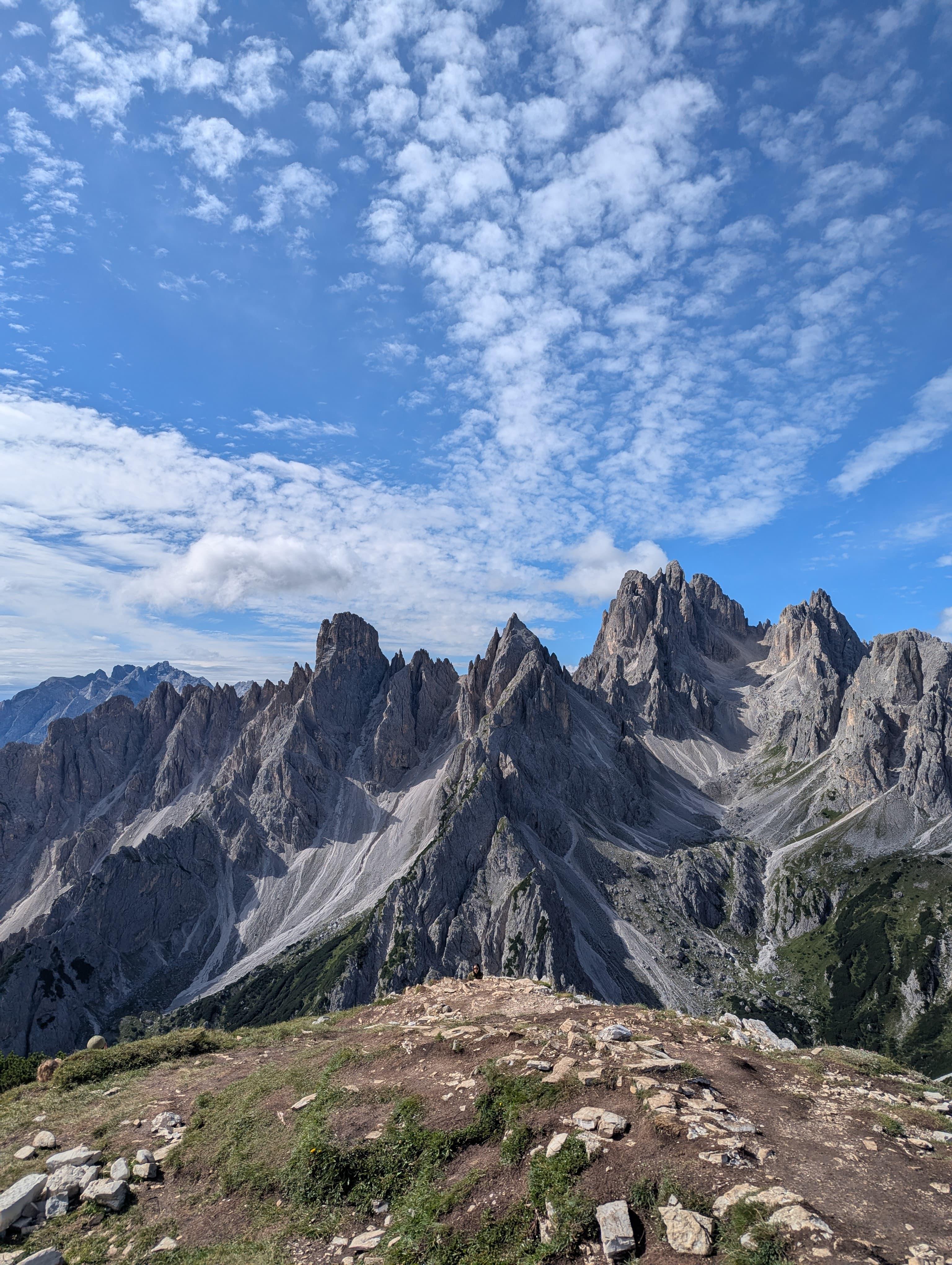
Almost every Dolomites guide will tell you that you need a car. I did this entire trip on buses and trains, and I'd do it that way again.
That single decision shapes everything below, so let's start there rather than on day one.
You don't need a car
The public transport in South Tyrol is the best I've used anywhere, and it is relentlessly punctual — which matters enormously when you're stringing together three connections to reach a trailhead. Once I'd figured out that the buses actually turn up when they say they will, I stopped building slack into the plan and started trusting the timetable.
The system that makes it work:
- Download the südtirolmobil app. This is how you plan everything.
- Buy the mobilcard — available in 3, 5 or 7-day versions. It covers every train and bus in the region.
The planning itself took less effort than I expected. I checked each place I wanted to reach, looked at how long the journey would be from my available bases, and then clubbed nearby things together into the same day. That's the whole method.
Two honest caveats:
- Your base matters more than anything. If you end up further out than you'd like, travel time balloons. That was my situation, and it cost me time every single day.
- Transport winds down around 8pm. I started at 6 or 7am every morning to make the days work. That's not a hardship in summer — the early light in the mountains is the best part of the day — but you can't plan for lazy starts.
Get the cable car pass
There's a multi-day pass covering the cable cars across the whole Dolomites area — three days of lifts included. Cable cars here are expensive and you'll use several a day, so this saves a genuinely silly amount of money. Buy it before you start hiking, not after.
Book a hostel months ahead — this is the real planning problem
This is the thing I'd tell anyone before anything else about hiking or timings.
There are only four hostels in this region. They cost around €25 a night. Every other form of accommodation I could find started at €80 a night, minimum.
That's a difference of over €300 across a week, which is why those four hostels sell out far in advance.
What I actually did: four nights in a hostel in Brixen, plus two separate nights in Meran on the first and last days, because Brixen wasn't available for those.
What I'd do instead: four nights in Dobbiaco and two in Bolzano. Dobbiaco was my first choice and it was already sold out when I booked — it sits far better for the Tre Cime area and would have cut my daily travel time substantially.
If I could change one thing about this trip, it would be booking the Dobbiaco hostel at least four months in advance. Not the route, not the hikes — just that.
Day 1: Arrival and Bolzano
Fly into Innsbruck or Venice, or take a direct train to Bolzano from most major Italian cities.
Bolzano is a gentle start and worth an afternoon: Piazza Walther, and the South Tyrol Museum of Archaeology, which holds Ötzi the Iceman and is genuinely worth the entry rather than a way to fill time.
Day 2: Alpe di Siusi and Seceda

Take the cable car from Siusi up to Alpe di Siusi, the largest high-altitude alpine meadow in Europe. The easy loop takes 2–3 hours and is a good way to find your legs on day one of hiking.
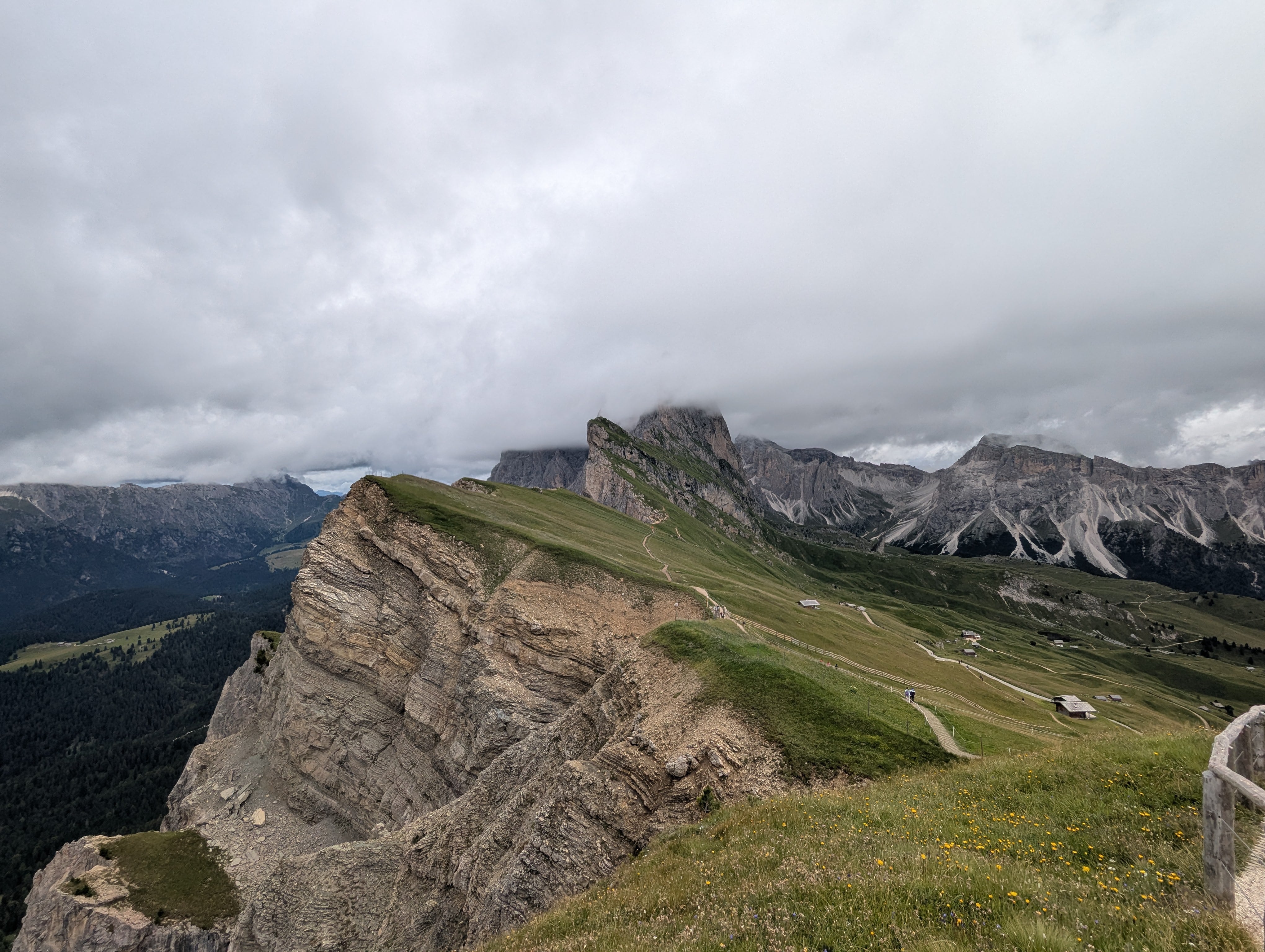
In the afternoon, head to Ortisei in Val Gardena and take the cable cars up to Seceda. The circular route around those famous jagged peaks takes 3–4 hours at a moderate difficulty, and the ridgeline is every bit as dramatic as the photographs suggest.
Day 3: Cadini di Misurina and Tre Cime di Lavaredo
If you do one thing from this entire itinerary, do this day.
Cadini di Misurina — the best hike I've ever done
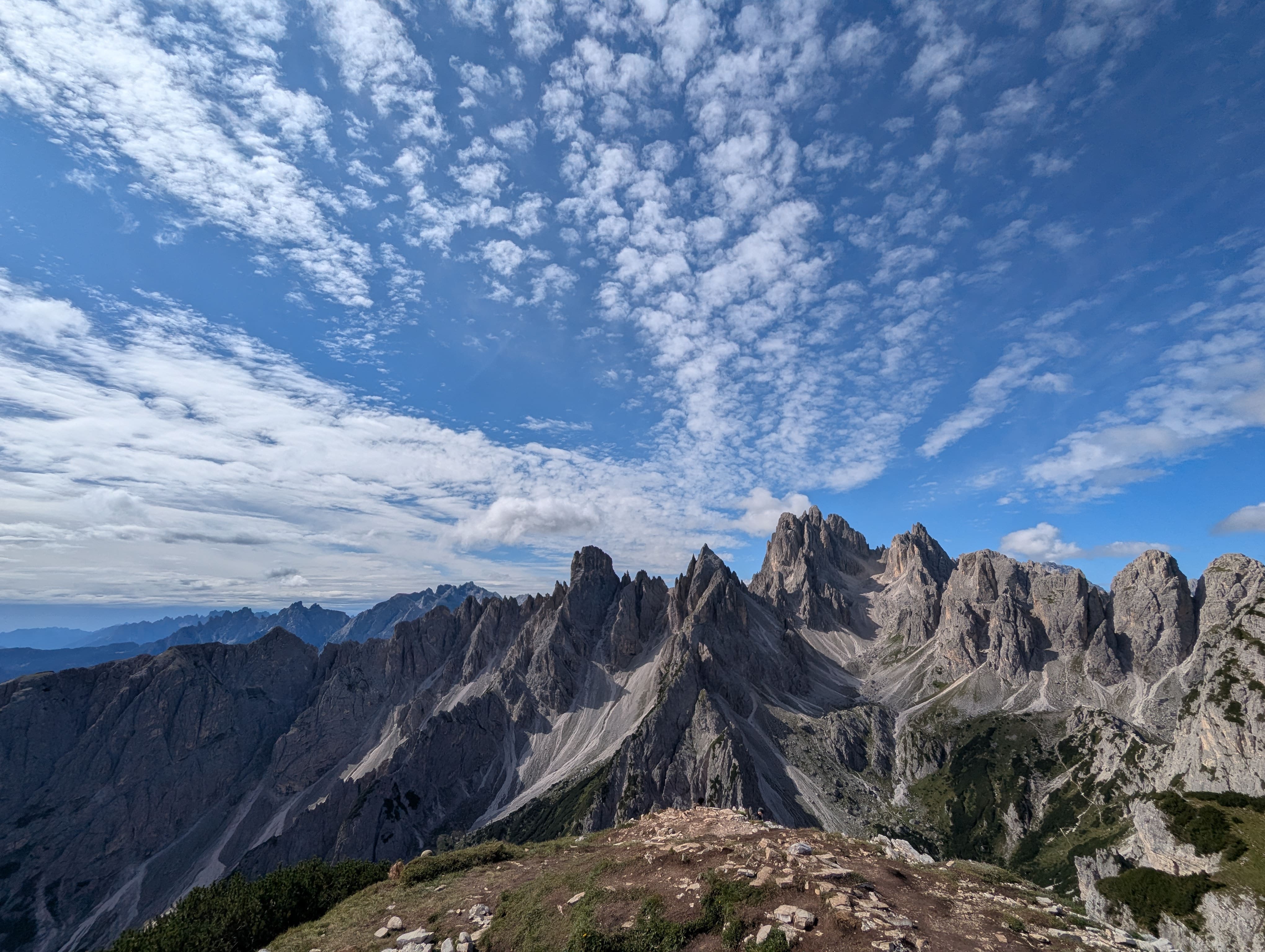
This is the best effort-to-view ratio hike of my life — not just of this trip, of anything I've ever walked.
You hike for roughly 40 minutes and arrive at a viewpoint over the Cadini spires that is genuinely unbeatable for the effort involved. Nothing else I've done comes close to that exchange rate.
Go early. It's also considerably less crowded than Tre Cime.
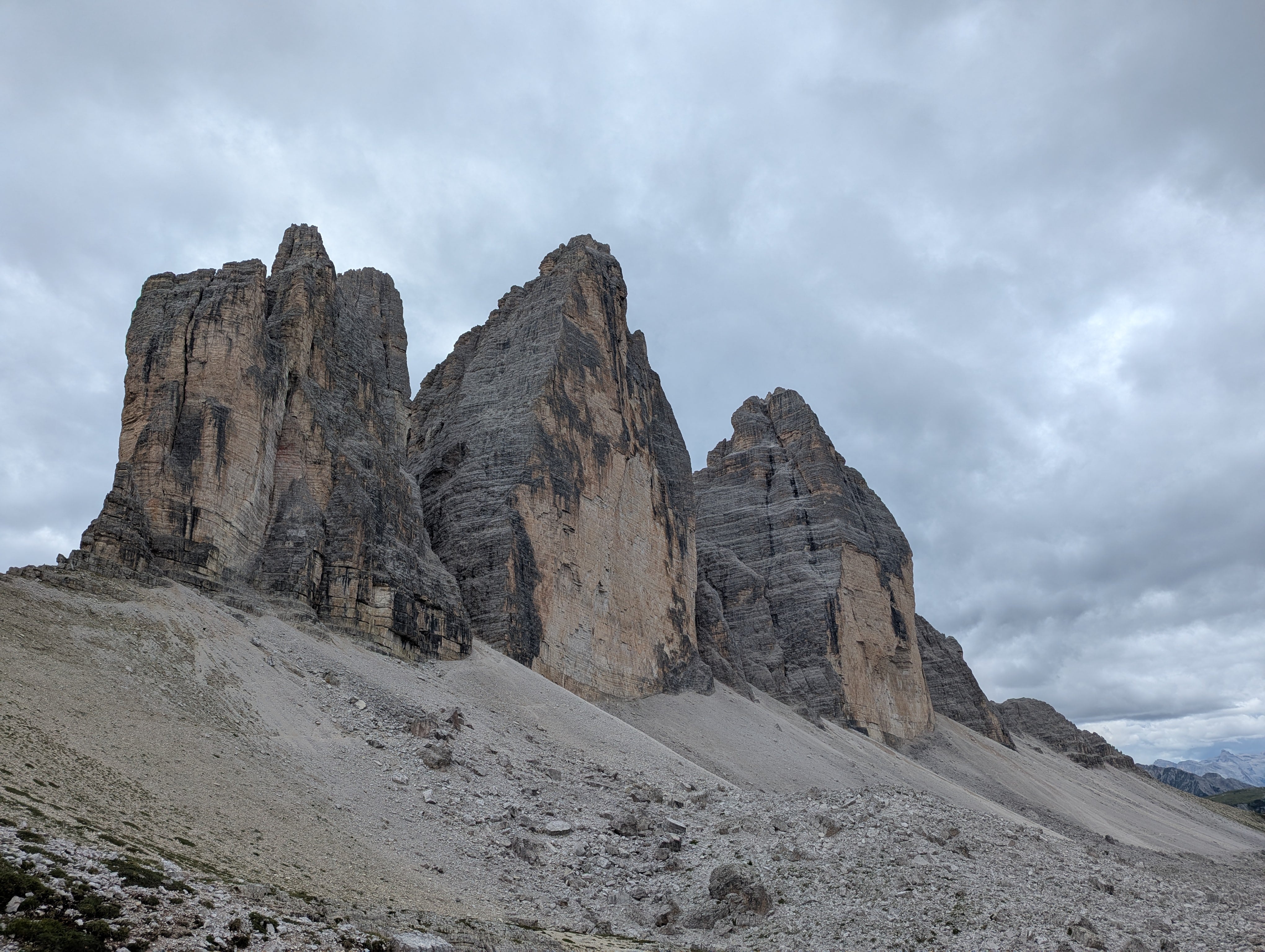
Tre Cime di Lavaredo
The icon of the Dolomites, and the circular route around the three peaks takes 4–5 hours. There's WWI history scattered along the way and alpine lakes to break up the walk.
It is very popular — arrive as early as you can manage.
Day 4: Lago di Braies and Lago di Carezza
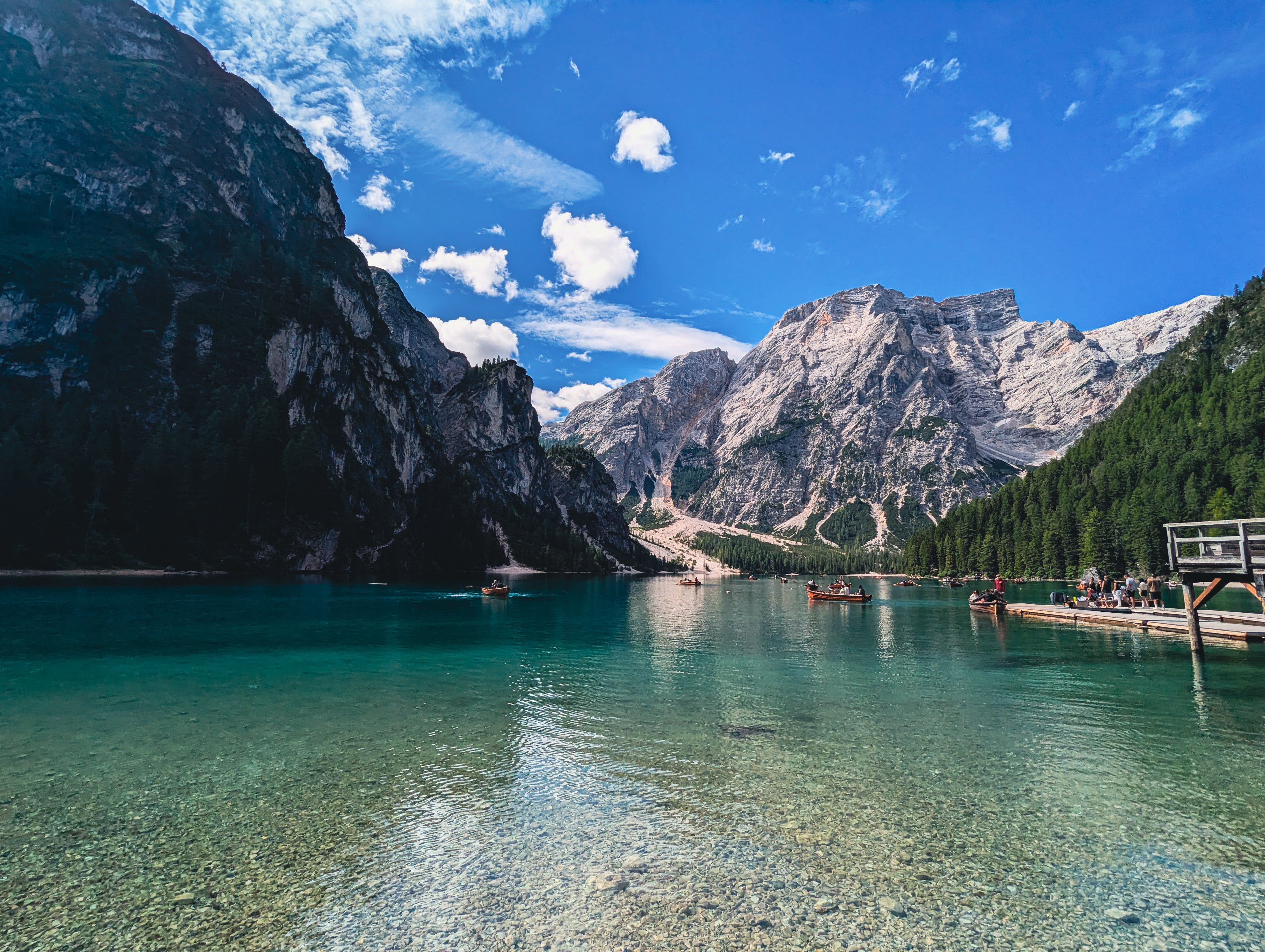
Lago di Braies is the postcard lake, and it draws the crowds to match. The walk around it takes an hour, you can rent a rowing boat if the weather cooperates, and the early light is worth the early start.
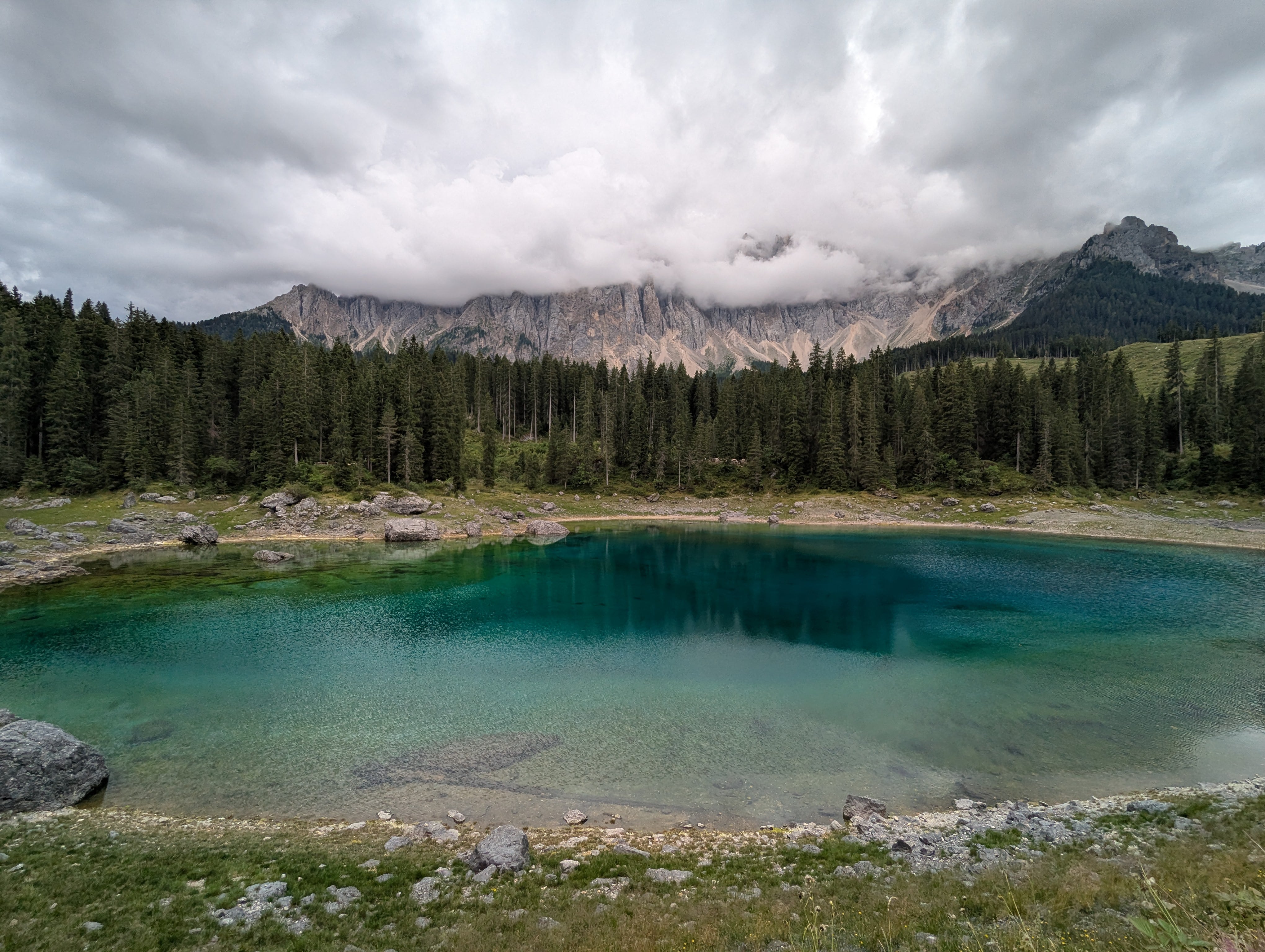
Lago di Carezza in the afternoon is smaller and quicker — 30 minutes to walk around — but the colour of the water against the Latemar peaks is unlike the other lakes.
Day 5: Cortina d'Ampezzo and Cinque Torri
From Passo Falzarego, the loop around the Cinque Torri — the five towers — takes 3–4 hours and is easy to moderate. The WWI open-air museum here is more interesting than it sounds; there are restored trenches and positions scattered through the rocks.
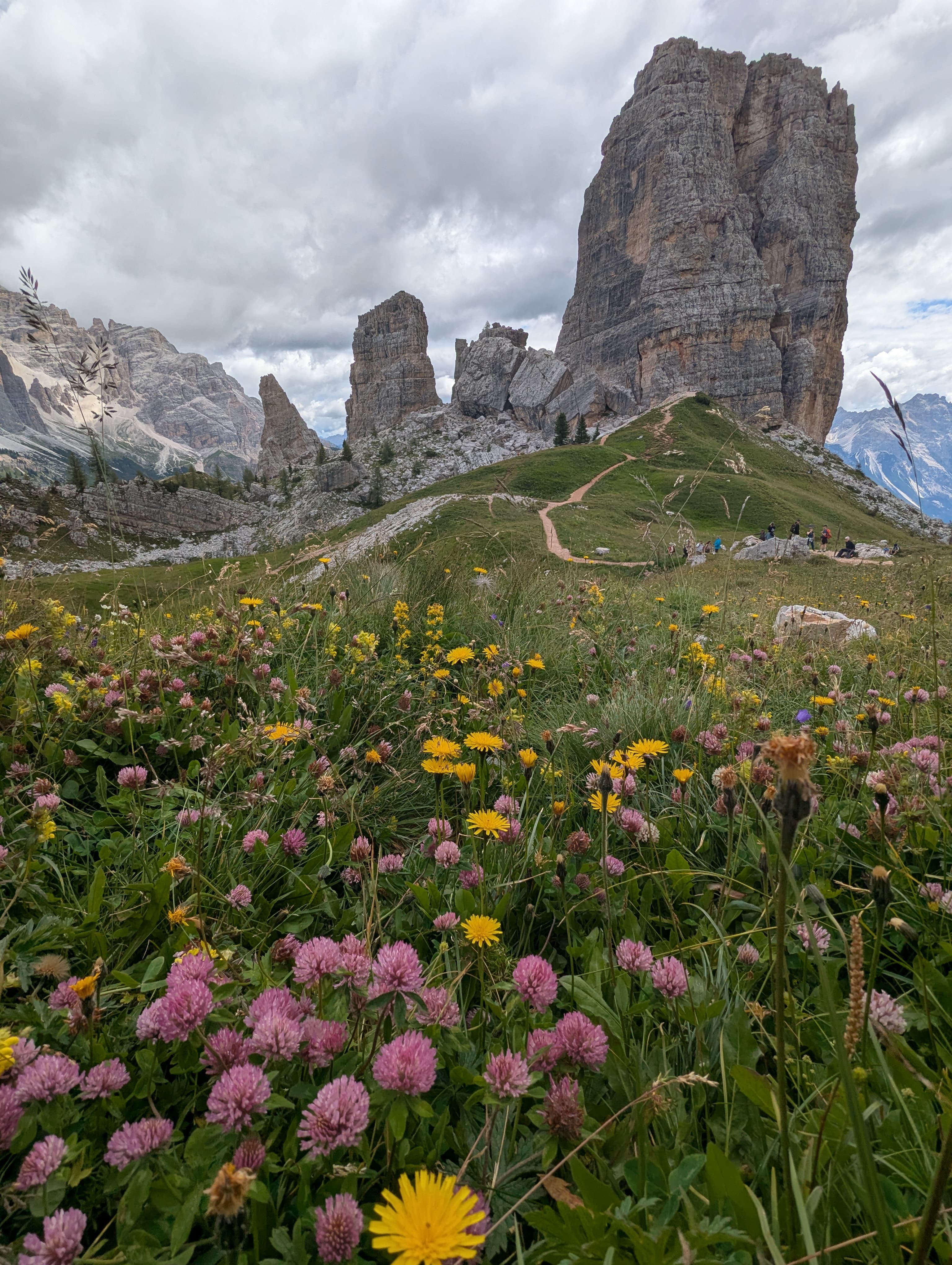
Cortina d'Ampezzo itself is pleasant enough for an afternoon wander, though it's more resort town than mountain village.
Day 6: Adolf Munkel Weg and Val Gardena
The Adolf Munkel Weg runs beneath the Geisler/Odle group in Val di Funes, starting from Zanser Alm. It's 4–5 hours, moderate, and the peaks stay in view for most of it.
Geisler Alm makes the natural lunch stop partway round.
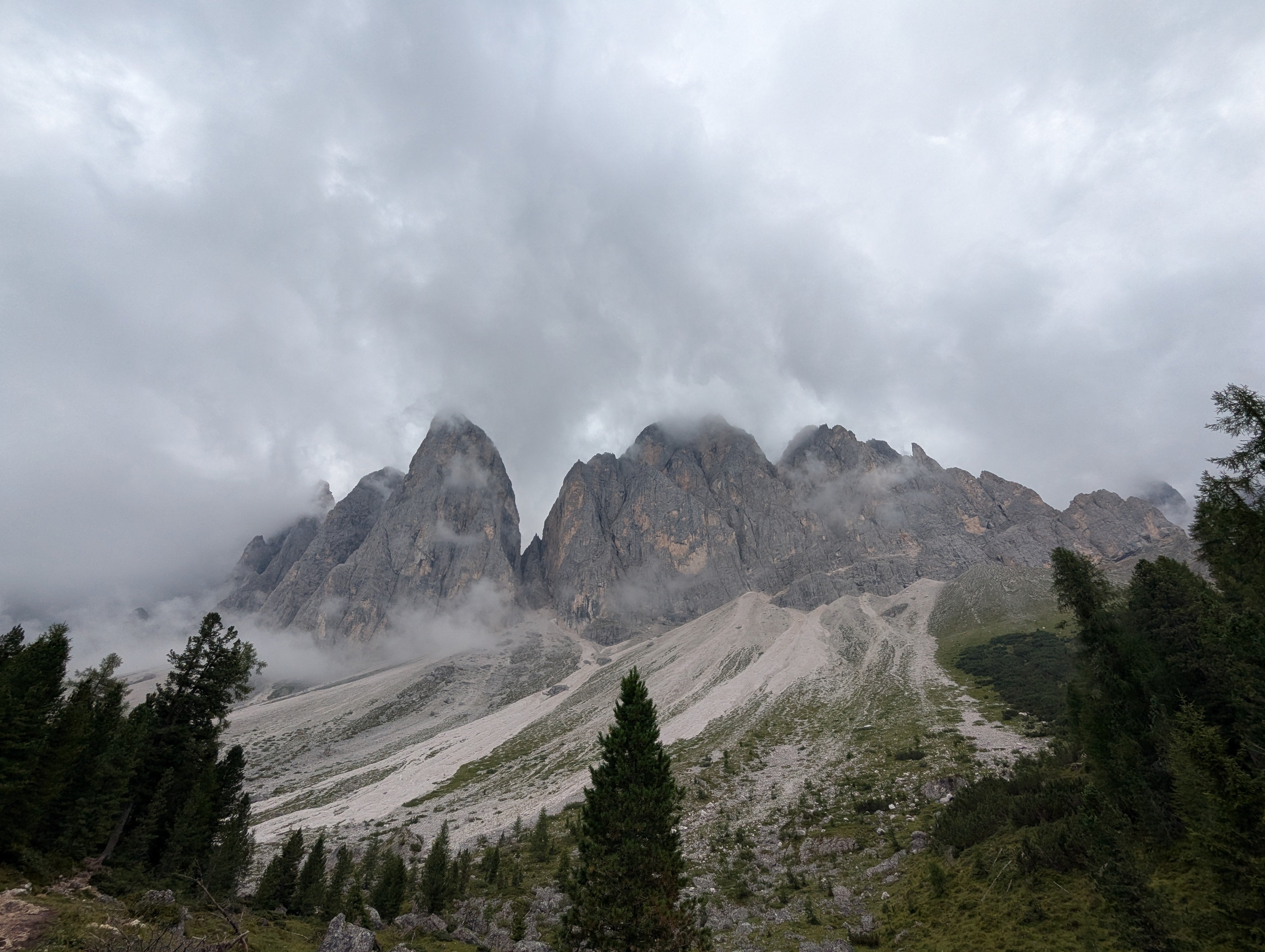
Finish in Val Gardena, where Ortisei is the main town and Selva and Santa Cristina are quieter.
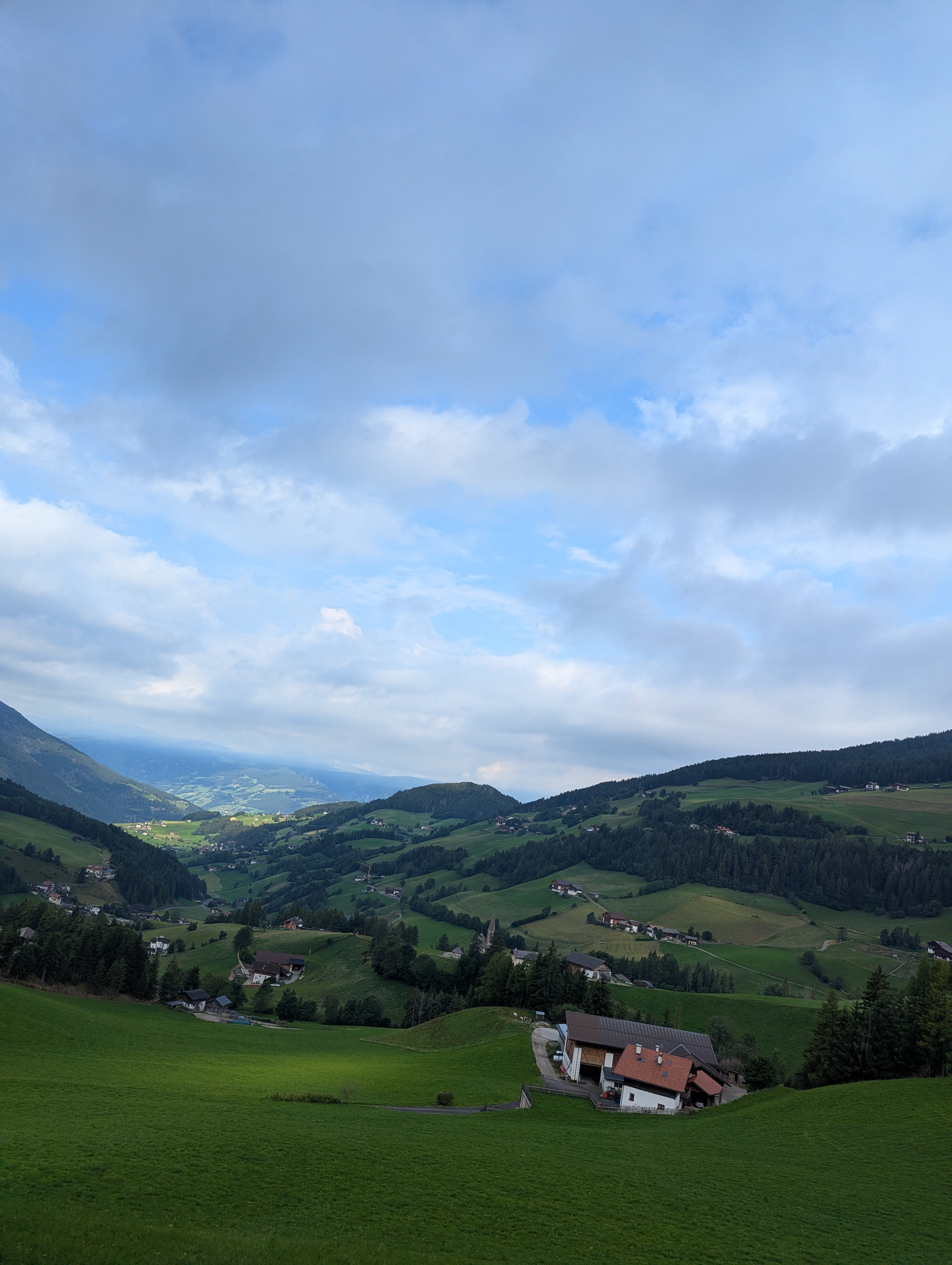
Day 7: Bolzano and out
Back to Bolzano for the flight or train home.
Worth knowing: the weather here changes fast. I got lucky — the only genuinely bad day of my week was the last one, when I hadn't planned much anyway. Build your flexible day in at the end rather than the middle.
Honest notes
On the food. I'll be blunt: I wasn't impressed. South Tyrol has its specialities — speck, canederli, apple strudel — and mountain huts will feed you perfectly adequately after a long walk. But this isn't a region I'd travel to for the eating, and I'd rather say so than pretend otherwise. Come for the mountains.
On when to go. I went in July. It's high season and it's busy, but it's also when you get the most reliable weather, and in mountains that's the trade I'd make every time.
On difficulty. None of these hikes require technical skill. The limiting factor is how many hours you're willing to be on your feet, not how hard the terrain is.
On what to skip. Nothing, honestly. Every hike on this list earned its place, and I wouldn't cut any of them. Cadini di Misurina is the one I'd protect at all costs.
What to pack
Sturdy boots, poles if you use them, and layers — the weather turns quickly and it's markedly colder at altitude than in Bolzano. Sun protection matters more than people expect up there.
Where this fits
Bolzano is an easy train ride from Venice or Bologna, so this slots neatly onto the end of my 11-day Italy itinerary. If you'd rather head the other way, there's a 7-day southern Italy itinerary covering the Amalfi Coast, Puglia and Naples.
Bringing a drone? Most of the Dolomites is off-limits — Tre Cime, Lago di Braies and Seceda are all protected. I've written up exactly where you can legally fly in Italy, including the three Dolomites spots that are permitted.