Hungary
About Hungary
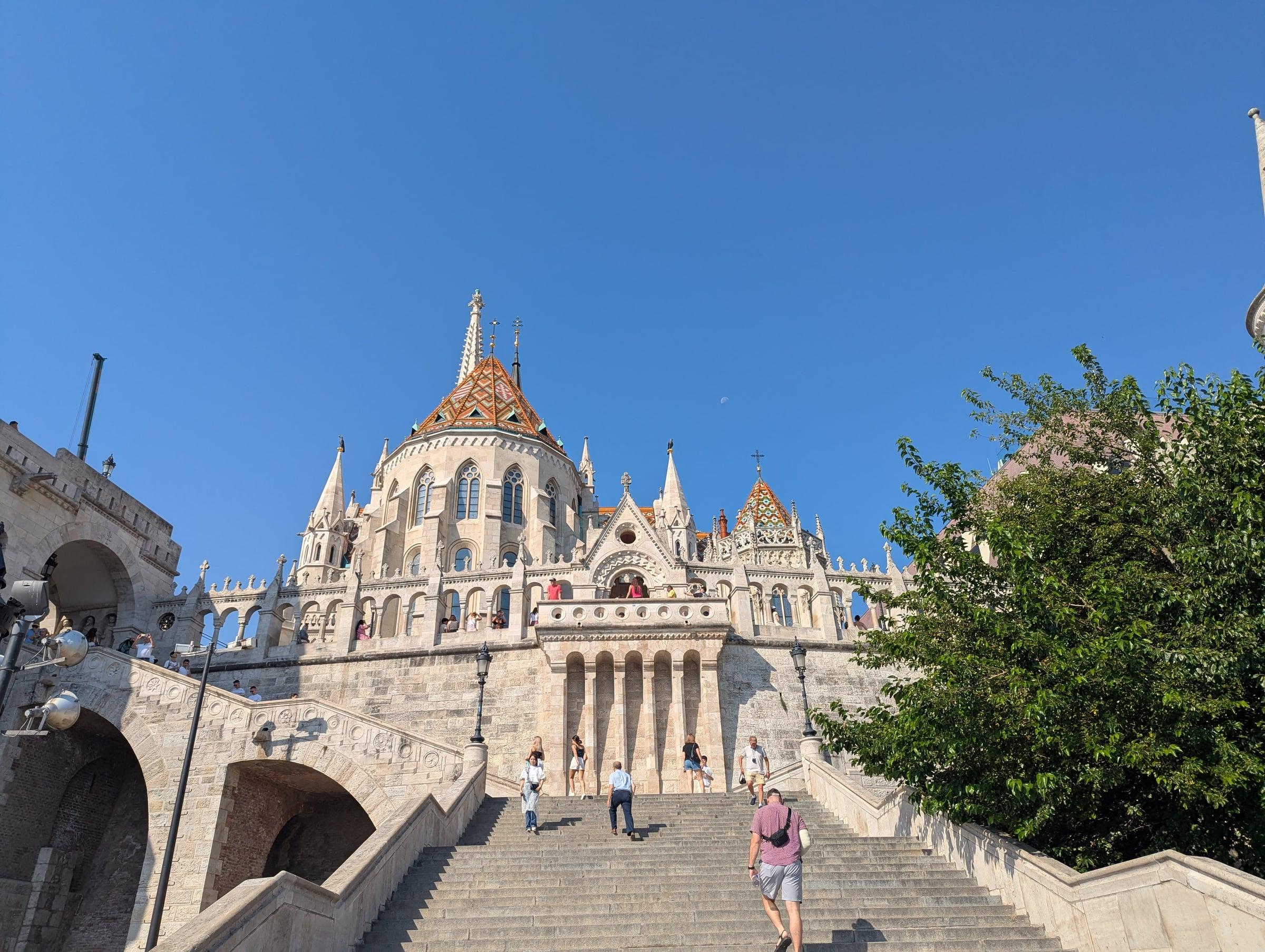
Hungary, for most visitors, means Budapest — two cities either side of the Danube that merged into one. Hilly Buda holds the castle and the Fisherman's Bastion; flat Pest holds the parliament, the ruin bars and most of the thermal baths. It is one of the cheaper capitals in Europe and one of the best value.
Best experience: the Flipper pinball museum — the best hours I've ever spent on retro games, and nowhere near anyone's Budapest shortlist.
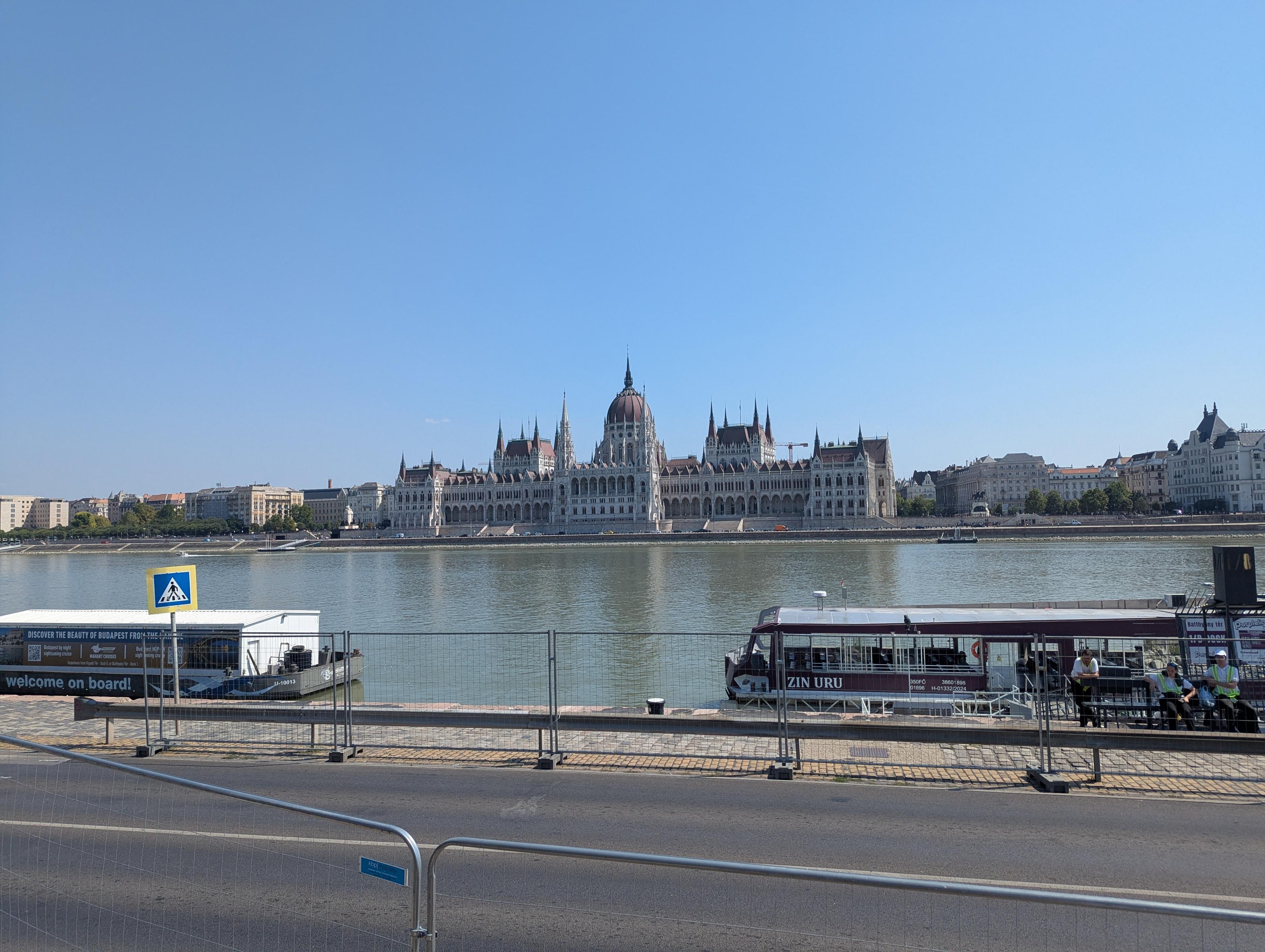
- The Hungarian Parliament Building from across the Danube
- Széchenyi and the other thermal baths
- Fisherman's Bastion and the Buda castle district
- An evening Danube cruise once the buildings are lit
- St. Stephen's Basilica and the State Opera House
Travel Tips
- Best time to visit: April to June and September to October; the baths are at their best in winter
- Currency: Hungarian Forint (HUF) — Hungary is in the EU but not the Eurozone
- Language: Hungarian, English spoken in central Budapest
- Transportation: Budapest's metro, tram and bus network covers everything, Tram 2 along the Pest embankment is a sightseeing route in its own right, No car needed for a city break
Quick Facts
- Capital: Budapest
- Time Zone: CET (UTC+1), CEST (UTC+2 in summer)
- Visa Requirements: Schengen Visa required for most non-EU citizens
Cultural Notes
- Hungary uses the forint, not the euro — avoid airport exchange rates
- Card is accepted widely, but keep some cash for markets
- Tipping around 10% is normal in restaurants