The Ha Giang Loop: Take the Easy Rider, and Take the 4-Day Route
The best thing I did in two weeks in Vietnam — why you should ride pillion instead of driving yourself, why the 4-day/3-night version is the one worth booking, and how little planning it actually takes.
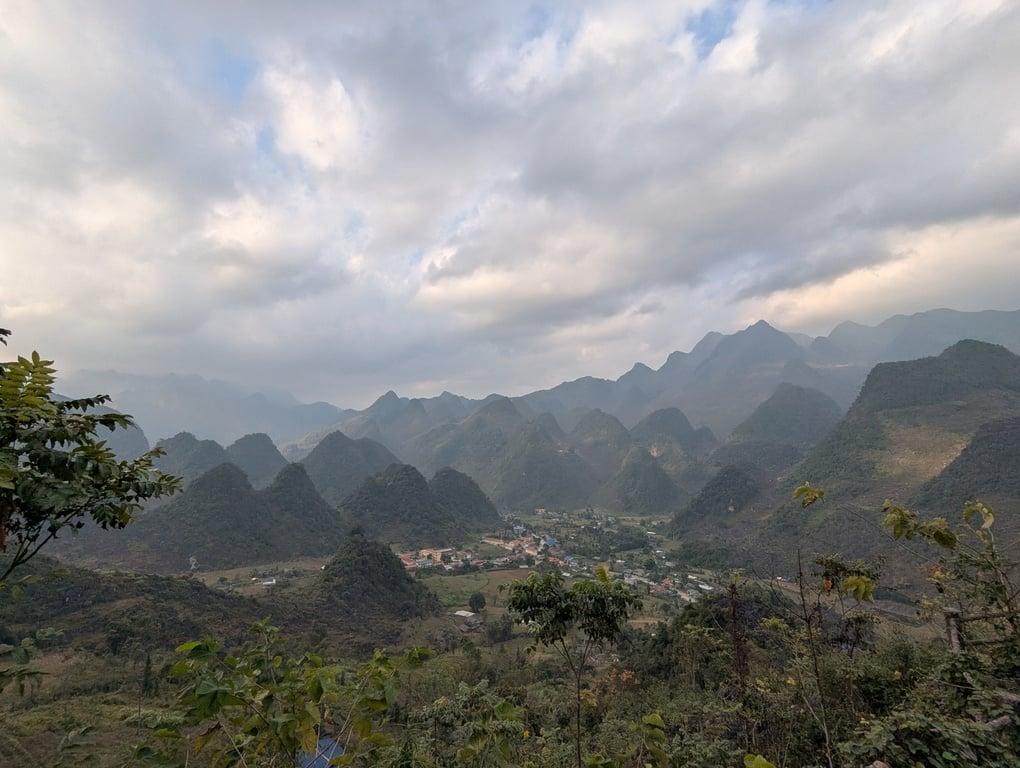
I spent fourteen days in Vietnam, solo, and four of them were the Ha Giang Loop. Those four days were the best experience of the entire trip — not narrowly, not "one of the highlights". The rest of Vietnam was good. This was the reason to go.
It's also the part of the trip people get wrong most often, and the two decisions that matter are both made before you leave Hanoi: who drives, and how many days you book.
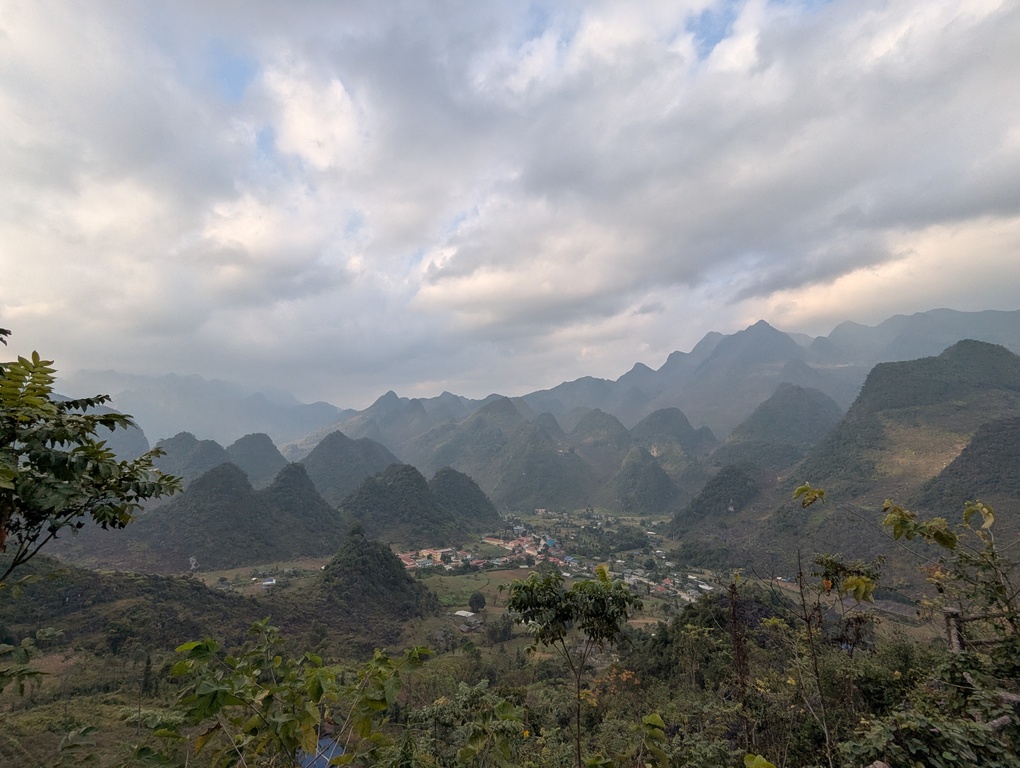
Take the easy rider. Even if you can ride.
An "easy rider" is a local driver — you ride pillion, they handle the bike, and you get off it whenever there's something worth stopping for. The alternative is renting a bike and driving the loop yourself, which is what a lot of people do because it sounds like the more adventurous version.
I'd recommend the easy rider anyway, and I'd recommend it to confident riders too. Four reasons, in the order they'll hit you:
The days are long. This isn't a scenic afternoon. You're on a bike for most of the daylight hours, for four days running.
The roads are genuinely bad. Not "charmingly rough" — bad. Broken surface, loose gravel, blind mountain corners, drops with nothing on the outside edge.
The other traffic doesn't follow the rules. That's the part you can't control by being a careful rider yourself. Trucks, buses and other bikes all use the road in ways you won't have planned for, and on those corners there's no margin.
You cannot take photos or video while you're driving. This one sounds trivial and isn't. The entire point of this road is what's on either side of it. If you're driving, you experience it as a series of things you had to concentrate too hard to look at, and you come home with almost nothing.
And here's the honest part: you will still be completely wrecked at the end of each day even as a passenger. Four days of mountain roads on the back of a bike is physically tiring in a way that surprised me. If that's true riding pillion, think about what driving it yourself does to you by day three.
The easy rider isn't the soft option. It's the one that lets you actually see the thing you came for.
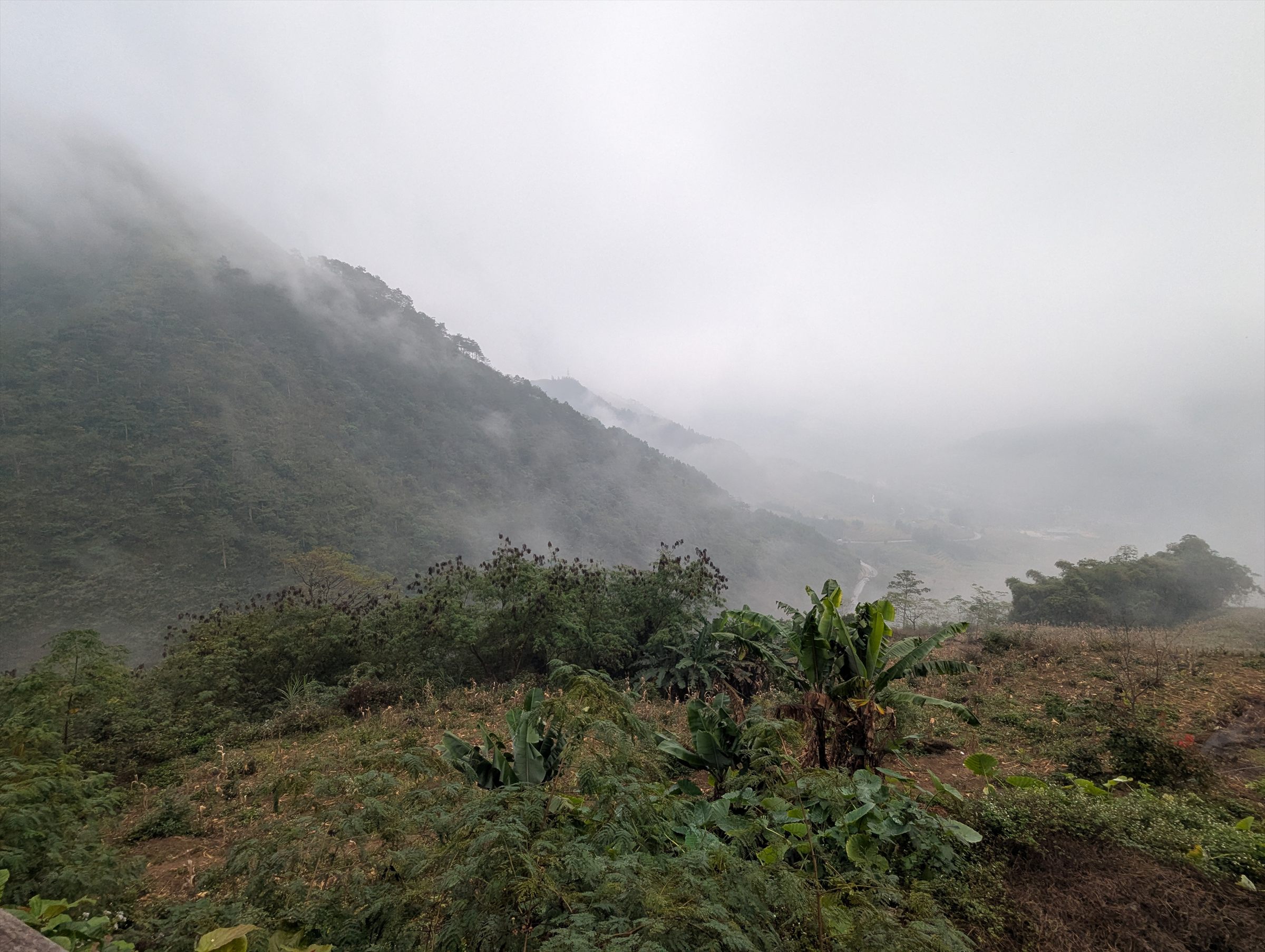
Book the 4-day, 3-night route
There are shorter versions — you'll be offered two- and three-day loops, and they're cheaper and easier to fit into a trip. Book the four-day one anyway.
The reason is Tu San canyon, which only the longest route reaches. It's billed as the deepest canyon in Southeast Asia, and it was the single highlight of the whole trip for me. The road up on Ma Pi Leng Pass is famous and deserves to be, but standing down at the canyon itself is a different order of thing entirely.
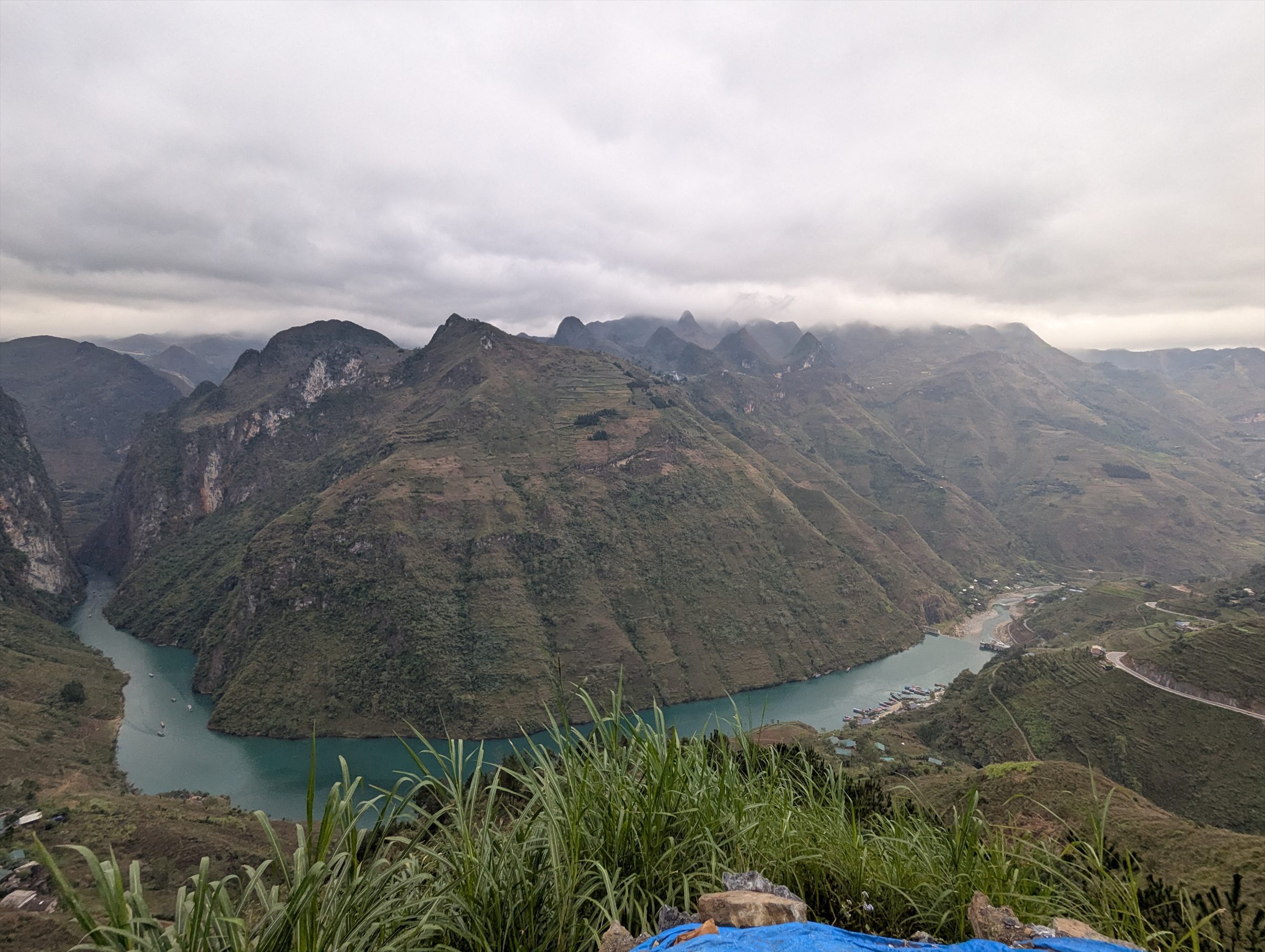
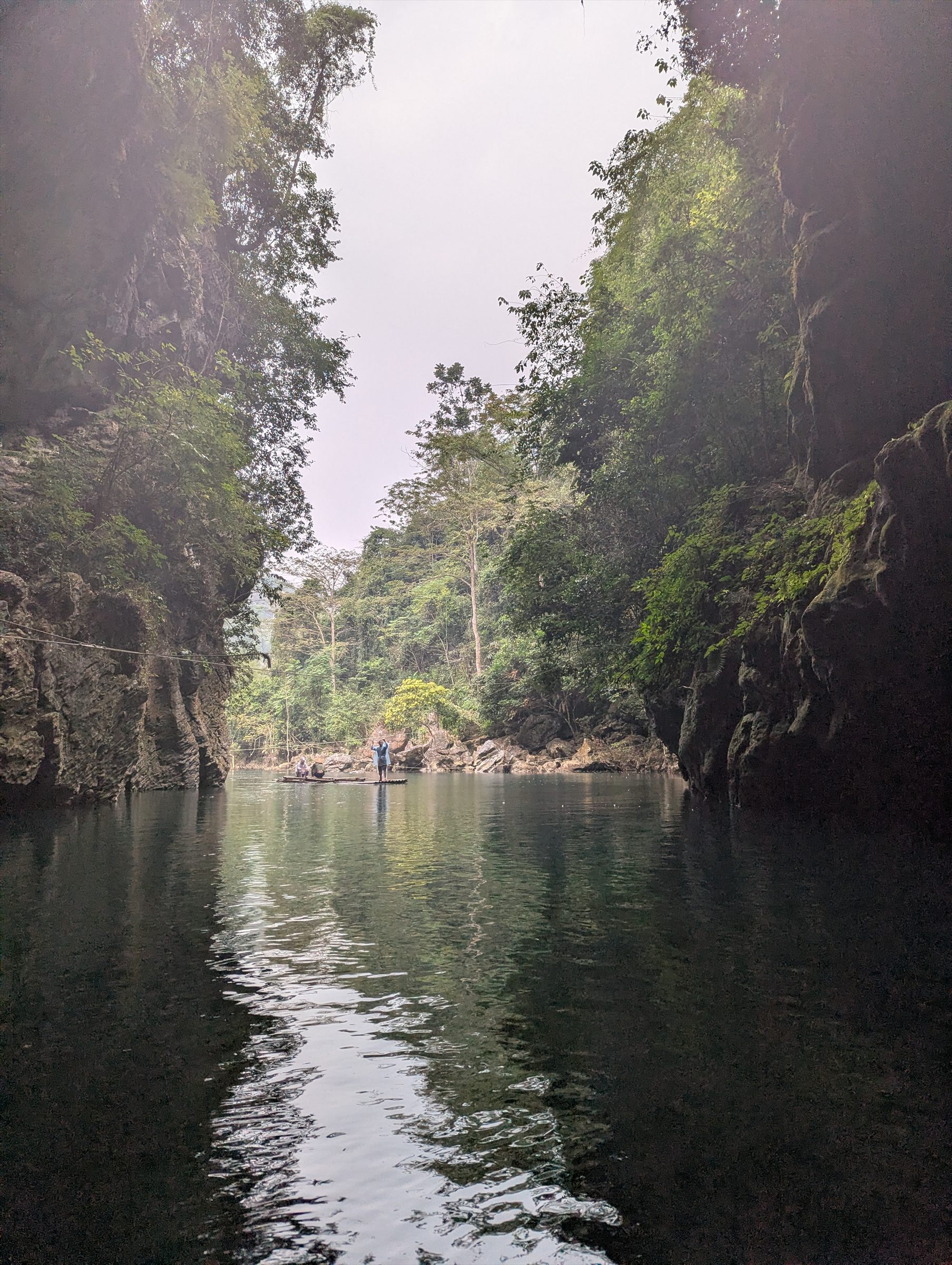
If you cut the loop short to save a day, that's the day you're cutting. It isn't worth it.
You do not need to plan this in advance
I booked mine two days before, at my hostel in Hanoi. That's it. No months-out reservation, no deposit paid from home, no comparing operators on a spreadsheet.
Hostels in Hanoi run these tours constantly and the whole thing — bus, rider, accommodation on the loop, food — comes as one package. Turn up, ask, go two days later.
I'd actually argue against booking it far out. You don't yet know what the weather is doing, and you don't yet know how you'll be feeling after the first week of a two-week trip. Booking it in Hanoi costs you nothing and keeps both of those decisions open.
Getting there: the sleeper bus
Ha Giang is a long way north of Hanoi, and you get there on an overnight sleeper bus. Mine was part of the hostel package in both directions, which is the simplest way to do it — you don't organise anything, you just get on.
You can also book the sleeper bus yourself and arrange the loop separately once you're in Ha Giang. That works fine. It's just more moving parts for no real saving, and the packaged version means someone is expecting you at the other end.
The useful thing about the sleeper bus is that it travels overnight in both directions, so the four days of the loop cost you roughly four days of your trip, not six.
What the road is actually like
The reason this is worth all of the above: it's raw nature, and I didn't find anything else like it anywhere in Vietnam.
Vietnam has a lot of beautiful places, and most of them have been shaped for you before you arrive — a ticket booth, a walkway, a viewpoint with a railing, a row of stalls. Ha Giang isn't that. It's mountains and valleys and river and road, and the scale of it doesn't let up for four days. Nothing else on my trip came close, including the places that are far more famous.
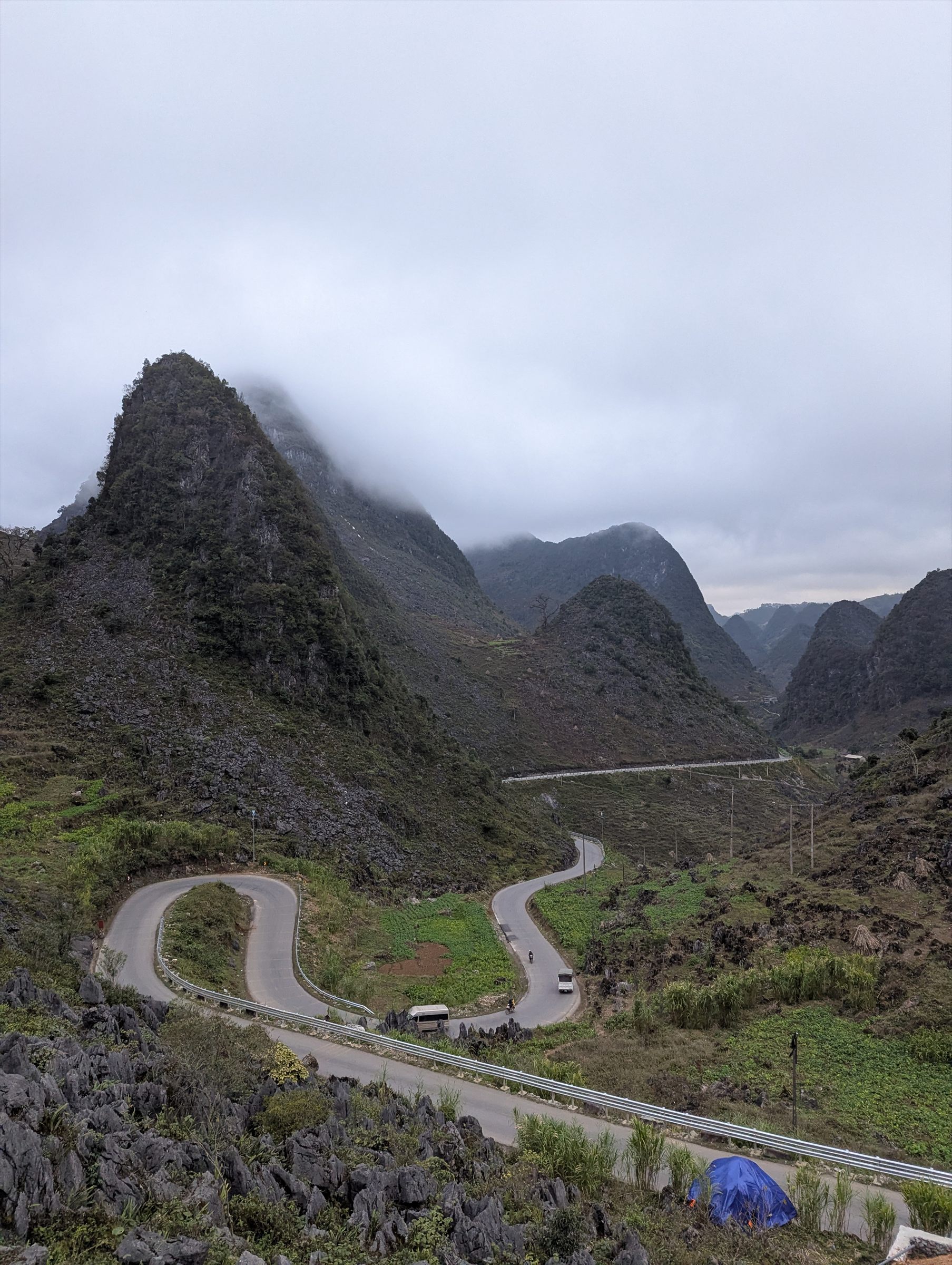
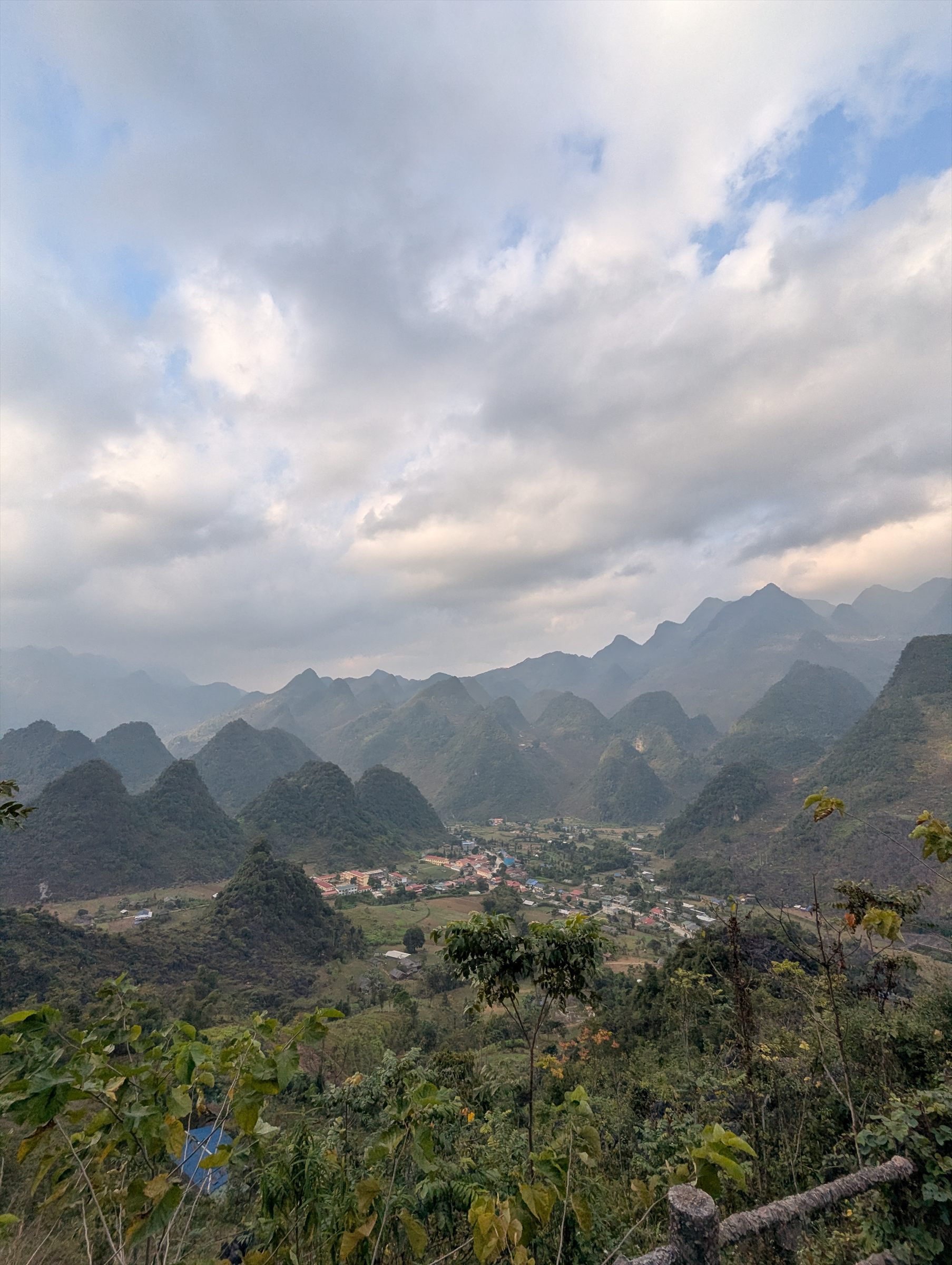
That's the comparison worth making if you're deciding whether it's worth the detour north. It is.
Where it fits in a two-week trip
I did the loop as days eight to eleven of a fourteen-day solo trip, which worked well — it sits naturally between the central coast and your last few days in Hanoi, since you have to route through Hanoi anyway.
If you're short on time and something has to give, my honest ranking is that Ha Giang is the thing you protect and Ha Long Bay is the thing you cut. Ha Long is fine — do it as a day trip if you want to see it — but it isn't in the same category, and if you've seen the limestone bays in Thailand you've broadly seen it. Ha Giang has no substitute.
The full trip it came out of is here: 14 days in Vietnam, solo.
Practical notes
- Book it in Hanoi, two days ahead. Your hostel will run one.
- Four days, three nights. Shorter routes skip Tu San canyon.
- Take the easy rider, and budget for being exhausted anyway.
- Overnight sleeper bus both ways, ideally as part of the package.
- Pack for cold on the bike. You're at altitude, moving, for hours at a time — it's colder up there than the rest of Vietnam prepares you for.
- Keep your camera accessible. Riding pillion means you can shoot constantly, which is most of the reason to ride pillion.