2 Week Spain Itinerary: Barcelona, Madrid & Andalusia by Train
A tried-and-tested 2-week Spain itinerary by train and car — Barcelona and Montserrat, Madrid, Valencia, Seville, Granada, Malaga, the Caminito del Rey and Ronda — with booking windows, costs and where I stayed.

In this post I want to share the itinerary I actually travelled across Spain over two weeks. My aim is to help you decide and plan your own route — you can extend or shorten it depending on how long you have and what you're into. I've tried to mix natural landscapes, beach days and city museums so there's something for everyone.
The core of this route is 12 full days, which is what we had on the ground. At the end I've added what I'd do with the remaining two days if you have the full fortnight.
Before you go: trains, costs and where I stayed
A few things I wish someone had told me before booking.
Book the trains about 6 weeks out. Renfe releases its cheapest AVE fares well ahead of departure and they climb steadily as seats sell. We booked roughly a month and a half in advance and that made a real difference to the price — the Barcelona to Madrid and Madrid to Malaga legs in particular. Any later and the high-speed legs get expensive enough that flying starts to look tempting.
We stayed in hostels the whole trip. Worth being honest here: hostels in Spain are not cheap, especially in Barcelona and in Malaga in peak season. They were still consistently cheaper than apartments for the two of us, and in the cities they put us within walking distance of everything, which saved on transport. If you're travelling as a group of three or more, run the numbers again — apartments start winning at that point.
Book the big-ticket sights before you book anything else. The lead times that actually matter:
- Alhambra (Granada): at least 2 months ahead. This is the one that sells out.
- Sagrada Familia (Barcelona): 2-3 weeks ahead.
- Caminito del Rey: at least 2 weeks ahead.
- Park Güell (Barcelona): a day ahead is usually enough, but don't rely on walking up in peak season.
Trains for the north, a car for the south. Everything from Barcelona to Malaga works beautifully on the rail network. Once you're based in Andalusia, a car is what unlocks Ronda, the Caminito del Rey and Colomares — we picked one up on day 8 and kept it for the rest of the trip.
Day 1: Barcelona
Our first day was short — we'd landed in Girona the night before and only got into Barcelona in the afternoon.
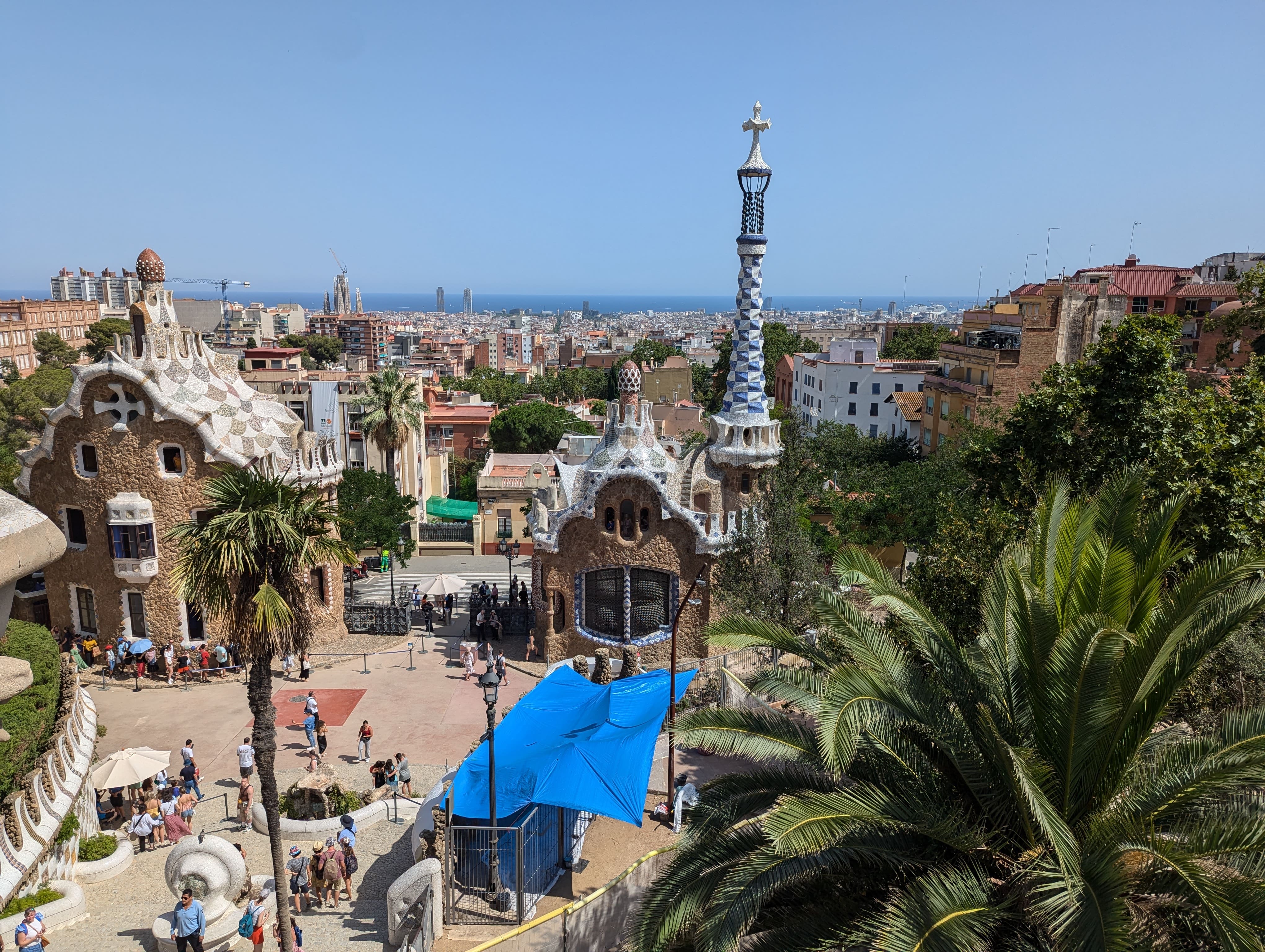
Park Güell
A large park with some extraordinary architecture. It's a fair way out of the city centre, so budget around an hour and a half of travel each way on public transport. If it's your first time in Barcelona I wouldn't skip it.
Tip: You need a timed ticket, and it's worth booking a day ahead — walking up in peak season is a gamble.
Temple of the Sacred Heart of Jesus About 45 minutes from Park Güell. Worth the trip for the view over Barcelona from the top. Going up to the highest level requires a cable car ticket, which was 12 euros when we visited.
Day 2: Barcelona
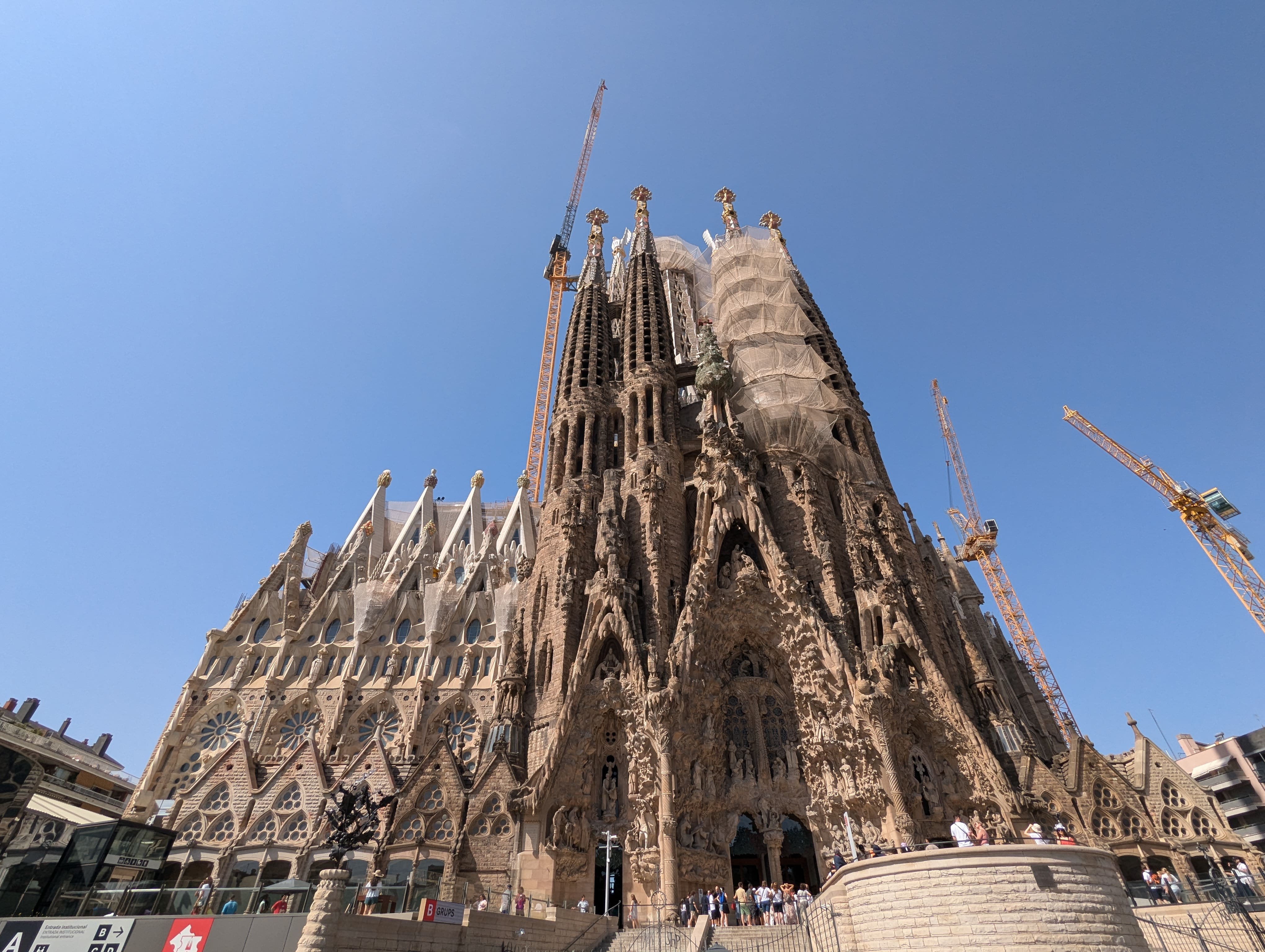
Sagrada Familia The most visited sight in Barcelona and not one to miss. Book your entry slot 2-3 weeks ahead — it books out solid.
I'll put my recommendation in context: I've seen a lot of beautiful churches travelling through Italy, and I live in Germany where remarkable churches are everywhere. I'm thoroughly used to good church architecture, and the only other one that hit me this hard was Santa Maria Novella in Florence. So take it seriously and give it enough time — we spent around three hours inside. The free audio guide is genuinely good; you don't need a paid tour.
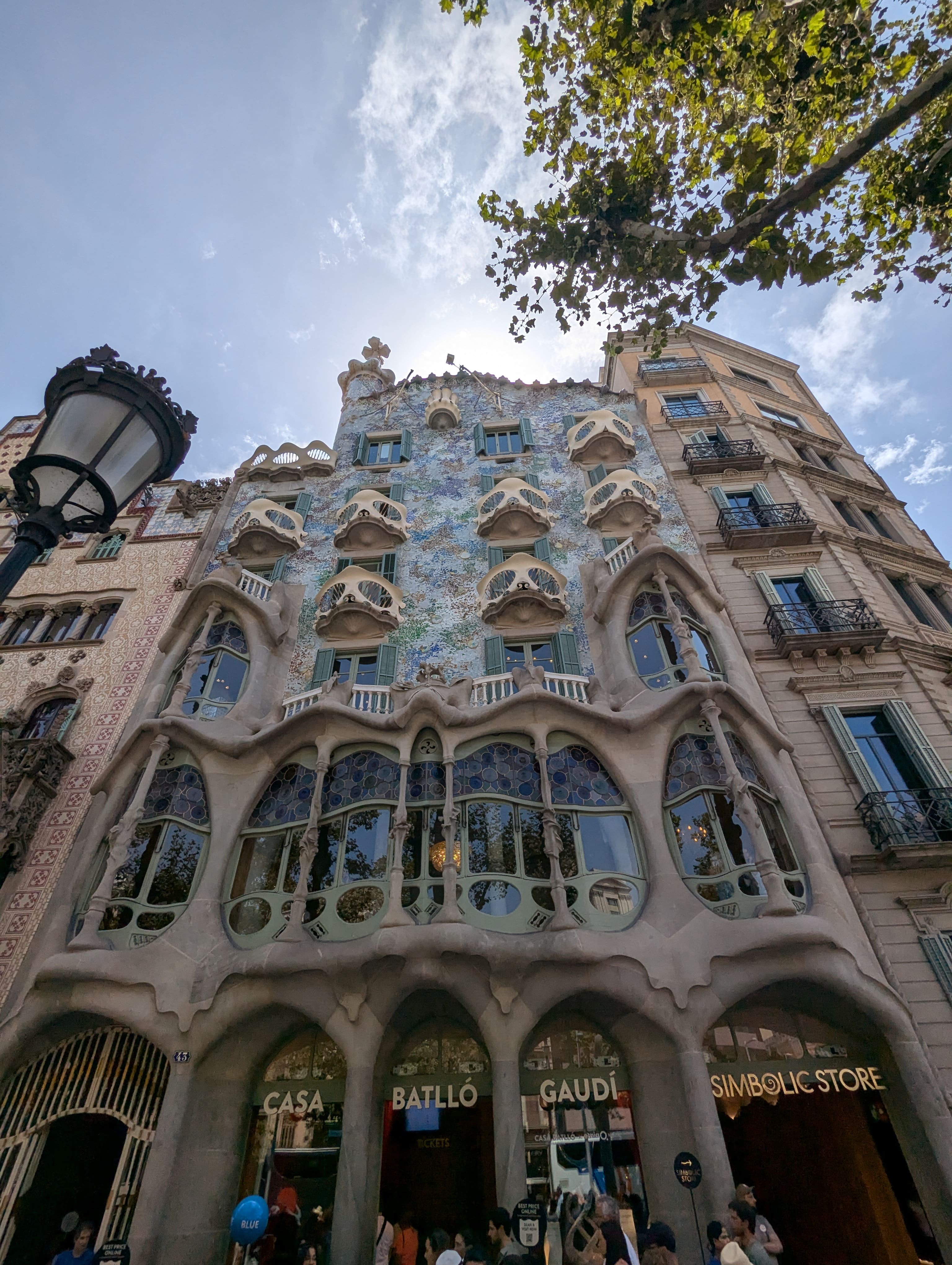
Gothic Quarter, Casa Batlló, Casa Amatller We spent the rest of the day in Barcelona's old town and admired Casa Batlló and Casa Amatller from the street. Both are striking from outside, and we chose not to go in — we were short on time and the entry fees at these places stack up fast.
We also went to Camp Nou, since I'm a big football fan and wanted to pick up an FC Barcelona shirt. Depending on your interests you might drop one of these to give the others more time.
Barceloneta Beach There are several beaches running into each other here and I enjoyed the atmosphere at all of them. There are volleyball courts and facilities, so we turned up around 5 PM, swam, and played for a couple of hours. Well worth building into the day.
Day 3: Montserrat
We took a day trip out to Montserrat. There's a monastery set into the mountain and a lot of good hiking. There's a direct train from Barcelona, and from the base you have two ways up:
- The rack railway (45 minutes)
- The cable car (15 minutes)
Note: The cable car isn't for the faint-hearted — the drop is steep.
At the top we visited the monastery before hiking up to Sant Jeroni, the highest point on the massif. It's a demanding hike through dense forest with serious elevation gain: roughly 2 hours up and 1.5 hours down. The views from the summit are worth every step.
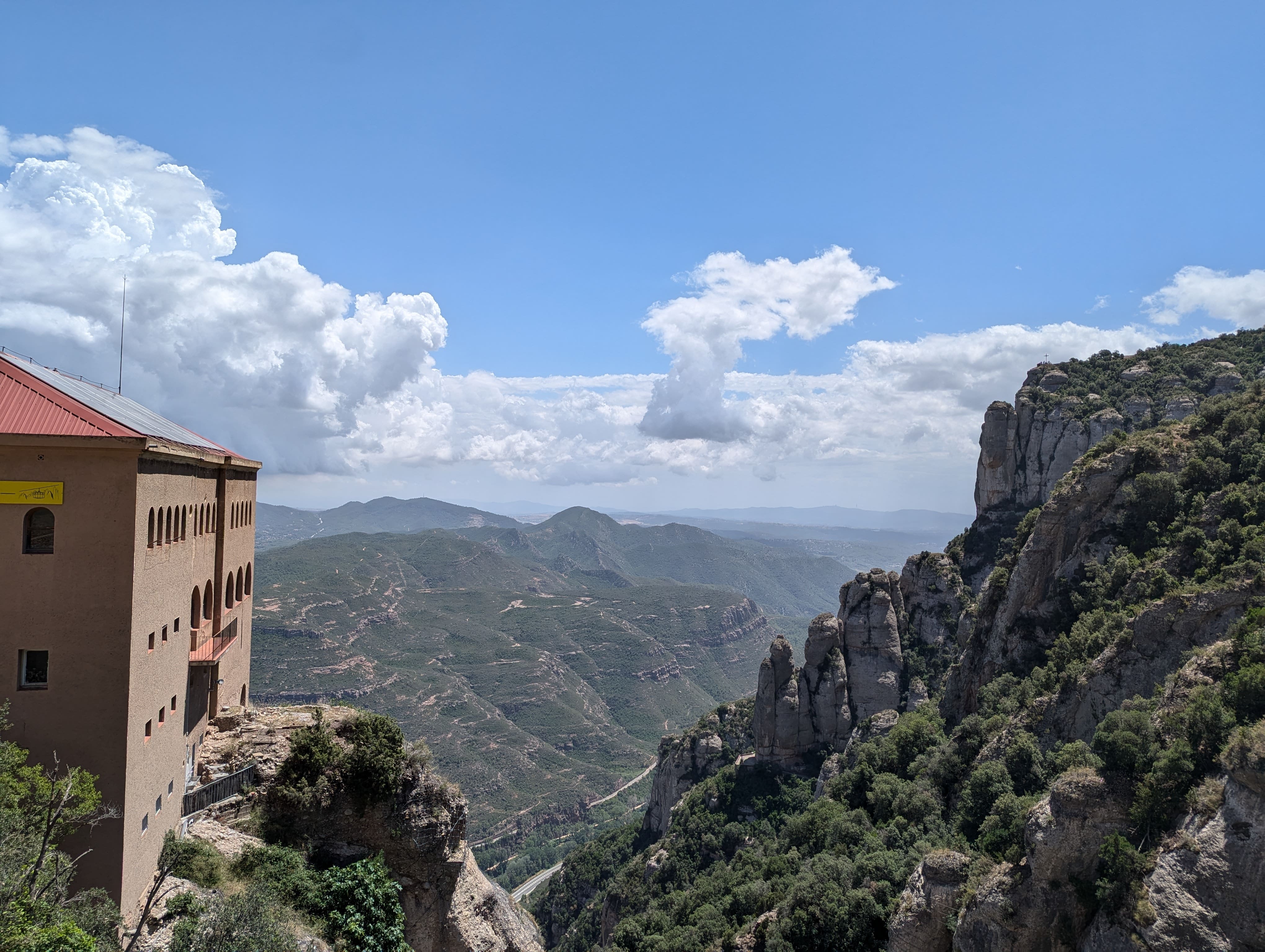
If you'd rather plan this as its own day, I've written it up in detail in my Montserrat day trip guide, including which station to get off at for each route up.
Day 4: Madrid
We took a morning train from Barcelona to Madrid, our base for the next three days, so the first half of the day was travel.
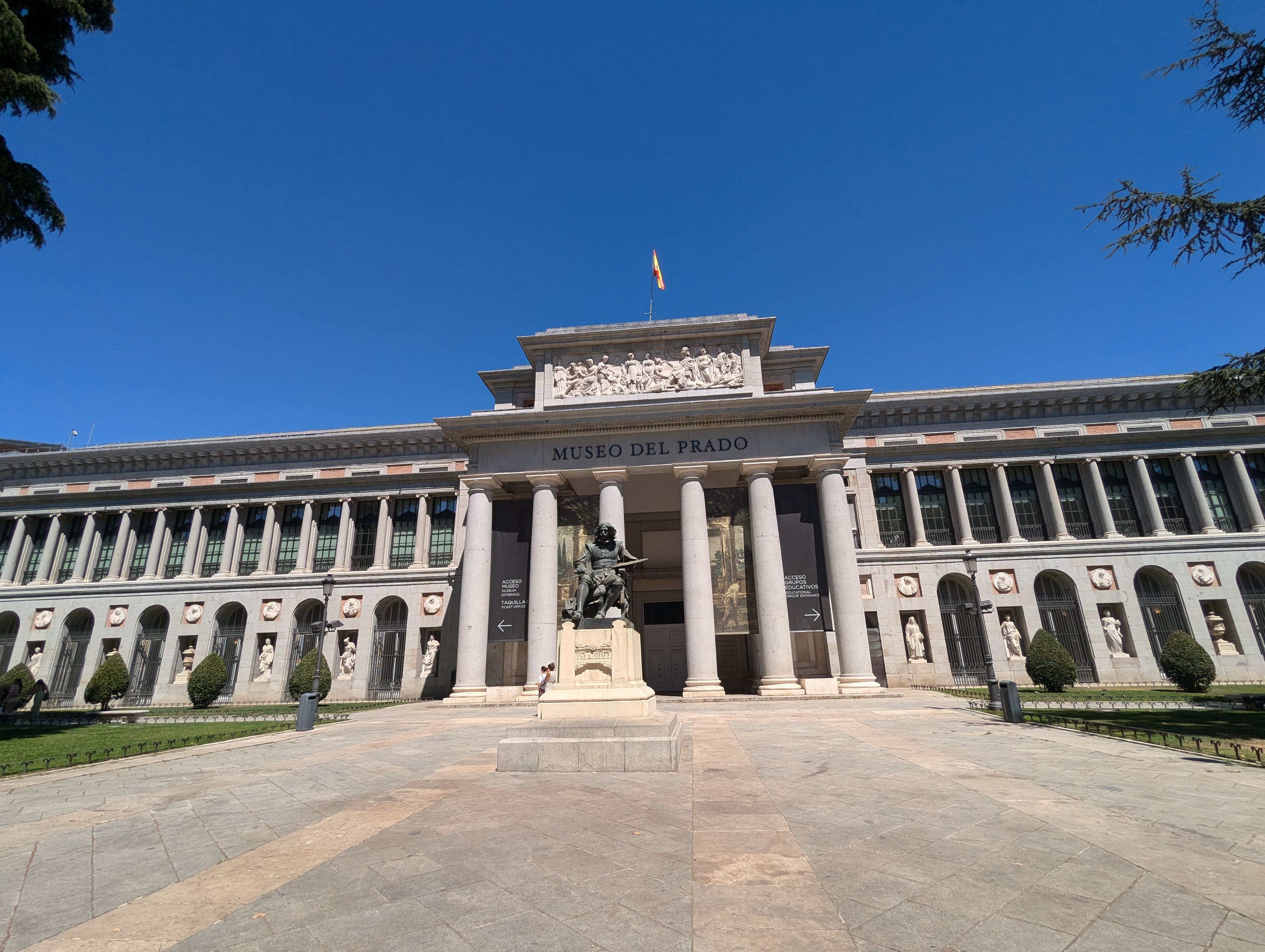
Museo del Prado
Consistently ranked among the top ten museums in the world, with an enormous collection. We spent four and a half hours here and didn't feel we'd rushed it.
Tip: The Prado opens its doors free for the last two hours of the day, and this is open to everyone regardless of nationality or residency. Turn up early for it — the queue builds well before the free window starts.
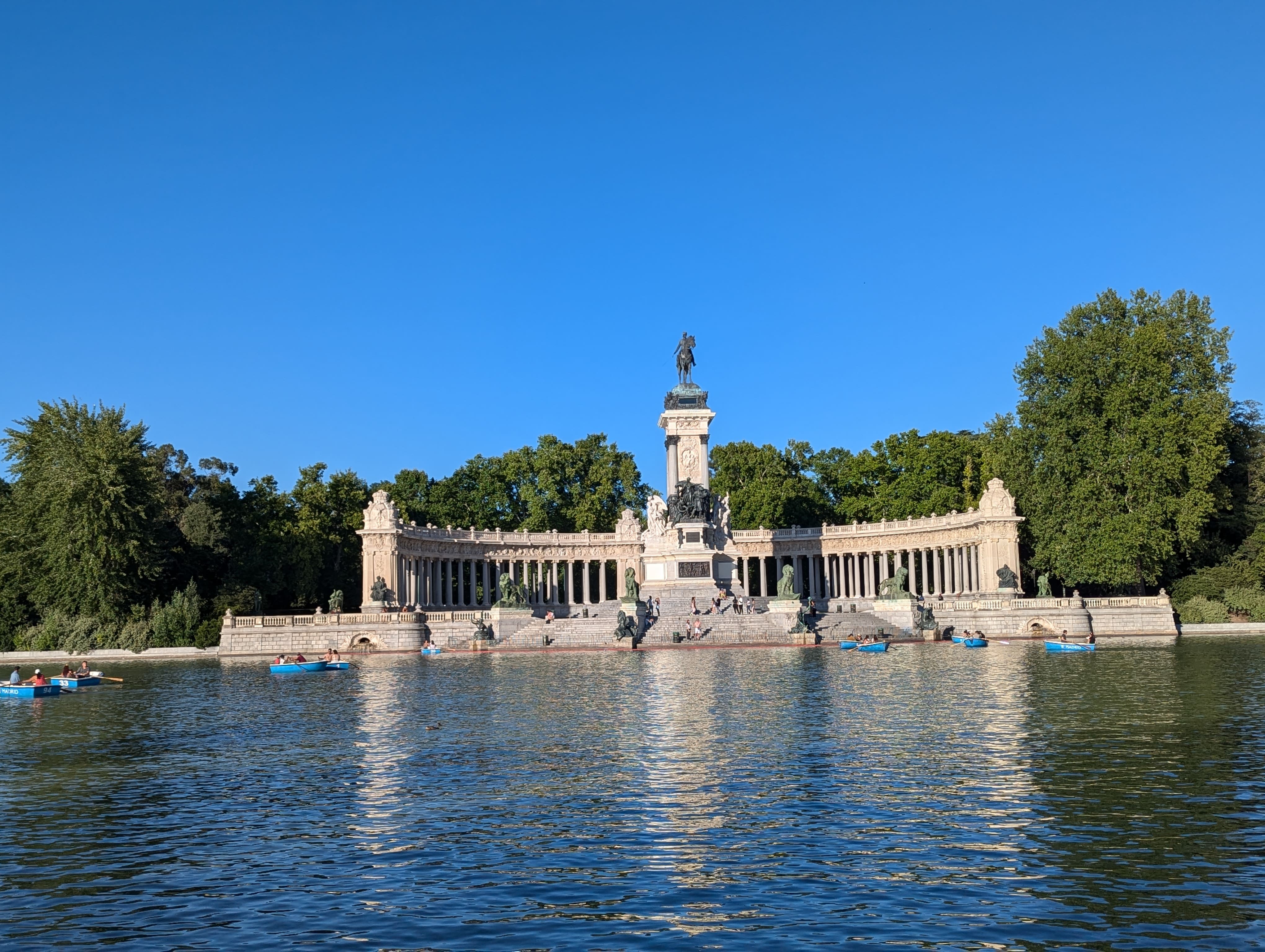
El Retiro Park
A beautiful park in the middle of Madrid. Worth a slow wander, particularly while you're working out where to eat.
Day 5: Madrid
Walking city tour A three-hour walking tour covering the main sights — Puerta del Sol, Plaza Mayor and more. We picked up the history of the city and a few good urban legends along the way.
Santiago Bernabéu Stadium Only worth it if you're a football fan — it's a fair way out from the centre.
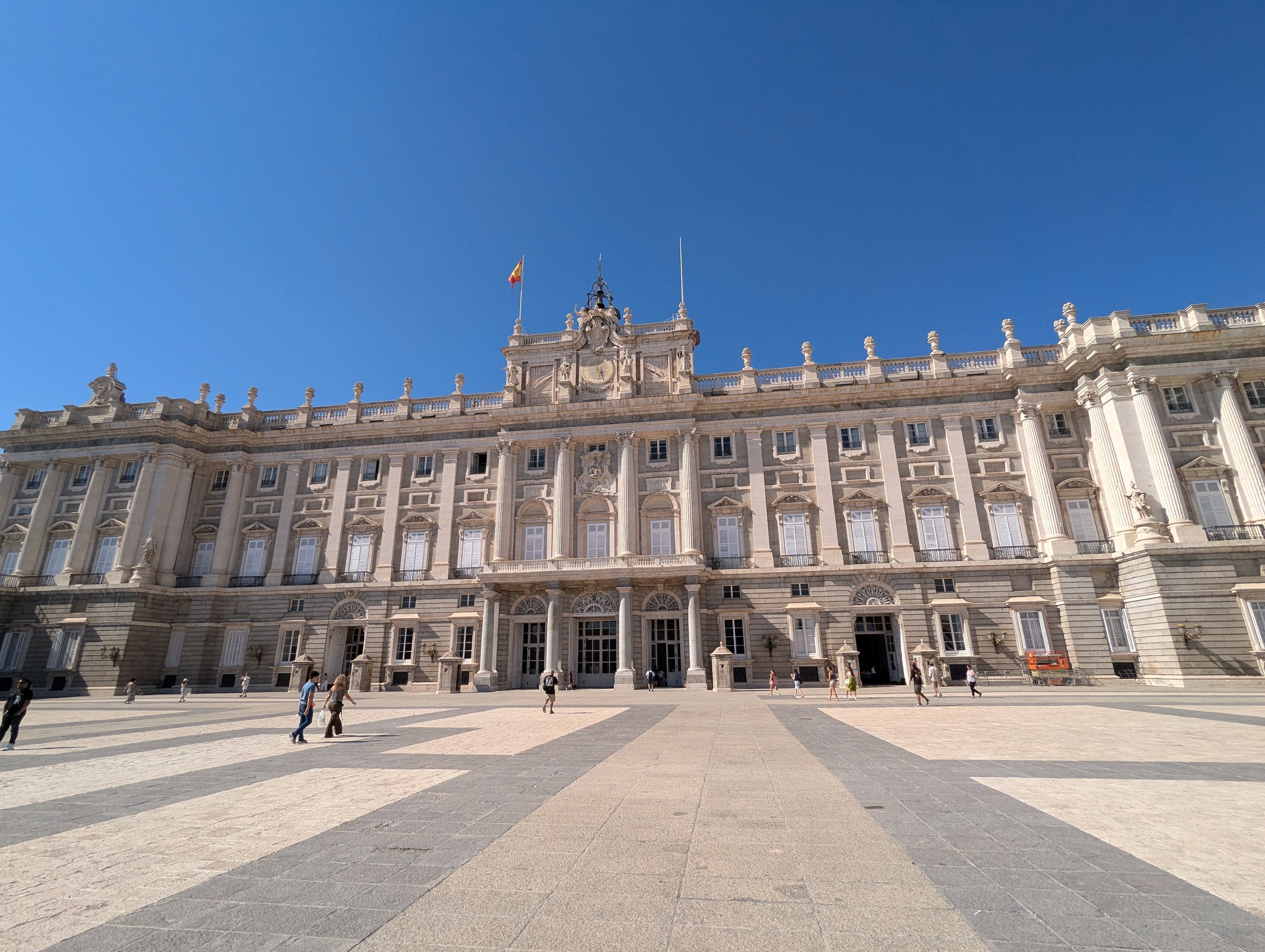
Royal Palace of Madrid
We used the free late-entry window here. Note this is a different rule to the Prado's: the Royal Palace's free final hours are restricted to EU citizens and residents, so bring documentation if you're claiming it. The publicly accessible part isn't huge and we were done in an hour and a half. The interiors are beautiful and it's absolutely worth a visit.
Day 6: Valencia (day trip)
We did Valencia as a day trip from Madrid — two hours each way.
Honest advice: this is the one day I'd re-plan. Four hours of round-trip travel for a city that deserves a night is a poor trade. If you're building this itinerary from scratch, put Valencia between Barcelona and Madrid instead and give it an overnight: Barcelona → Valencia → Madrid runs in the right geographical order and costs you nothing extra in train time. Only do it as a day trip if your accommodation is locked in and you can't move it.
Oceanogràfic The largest aquarium in Europe and worth the visit. Entry is on the expensive side but it's genuinely enjoyable as an adult. Allow at least three hours.
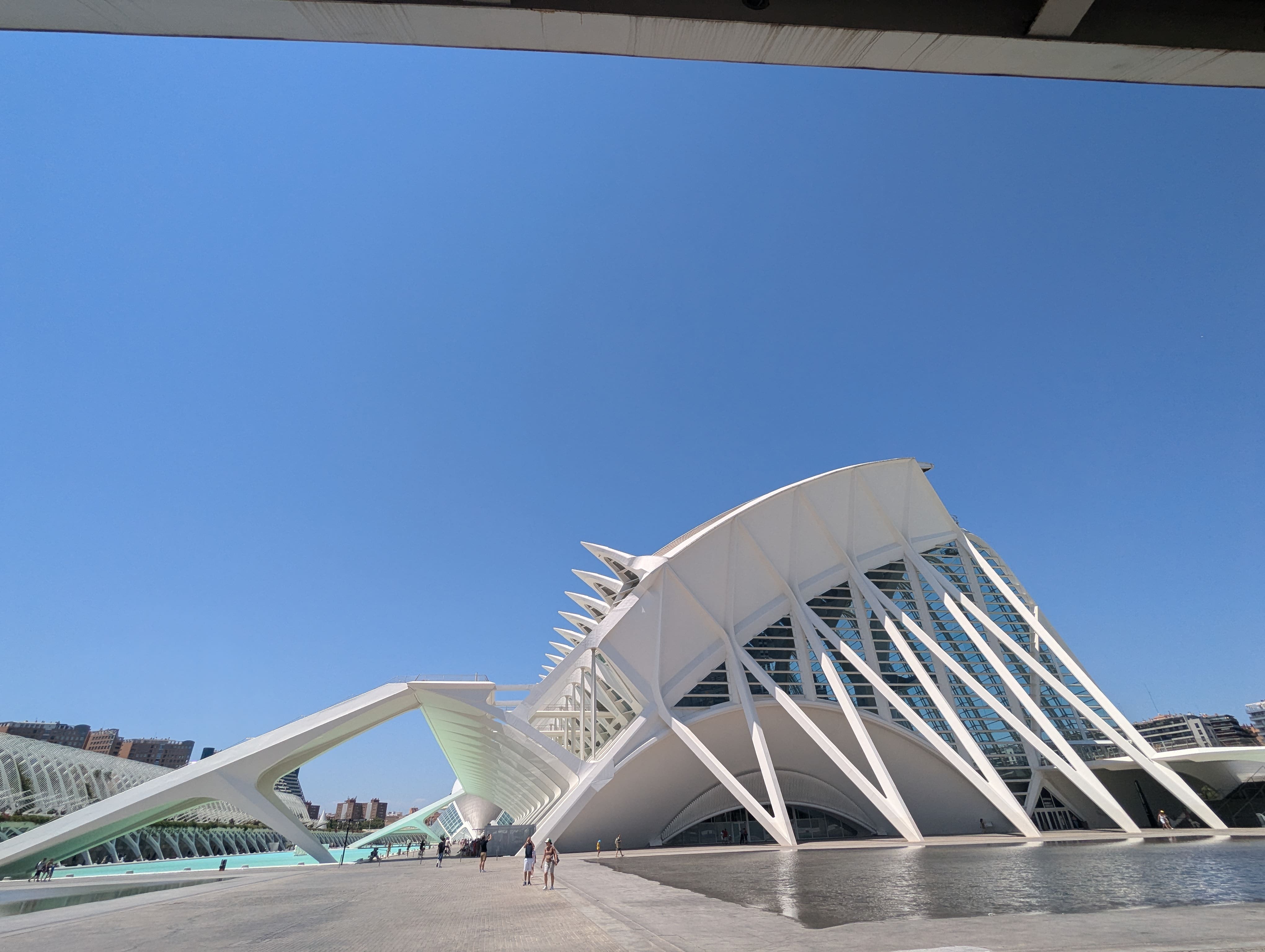
Ciudad de las Artes y las Ciencias
Walk the length of the science city complex — the architecture is spectacular, and it's free to wander the grounds.
Old town A charming old European centre, ideal for an unhurried stroll before the train back.
Day 7: Malaga
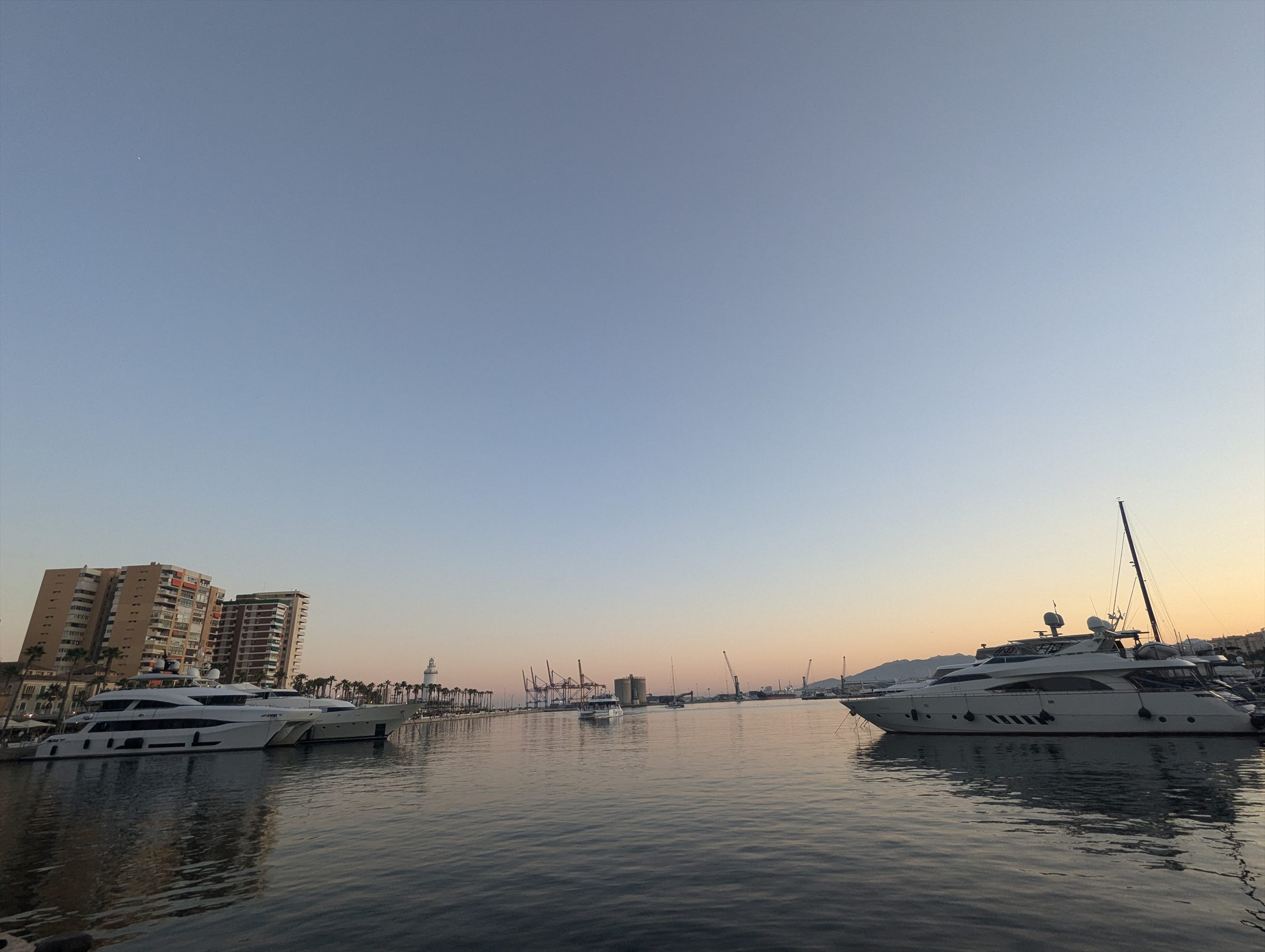
We travelled from Madrid to Malaga, our base for the next six days, and arrived in the evening. We just explored the city centre and the port.
Malaga has an outstanding atmosphere. It's one of those cities I'd go back to purely to sit still and walk the port at night — there's live music, a sea breeze and a genuine buzz to the place after dark.
Day 8: Seville
We picked up a rental car on this day and drove to Seville.
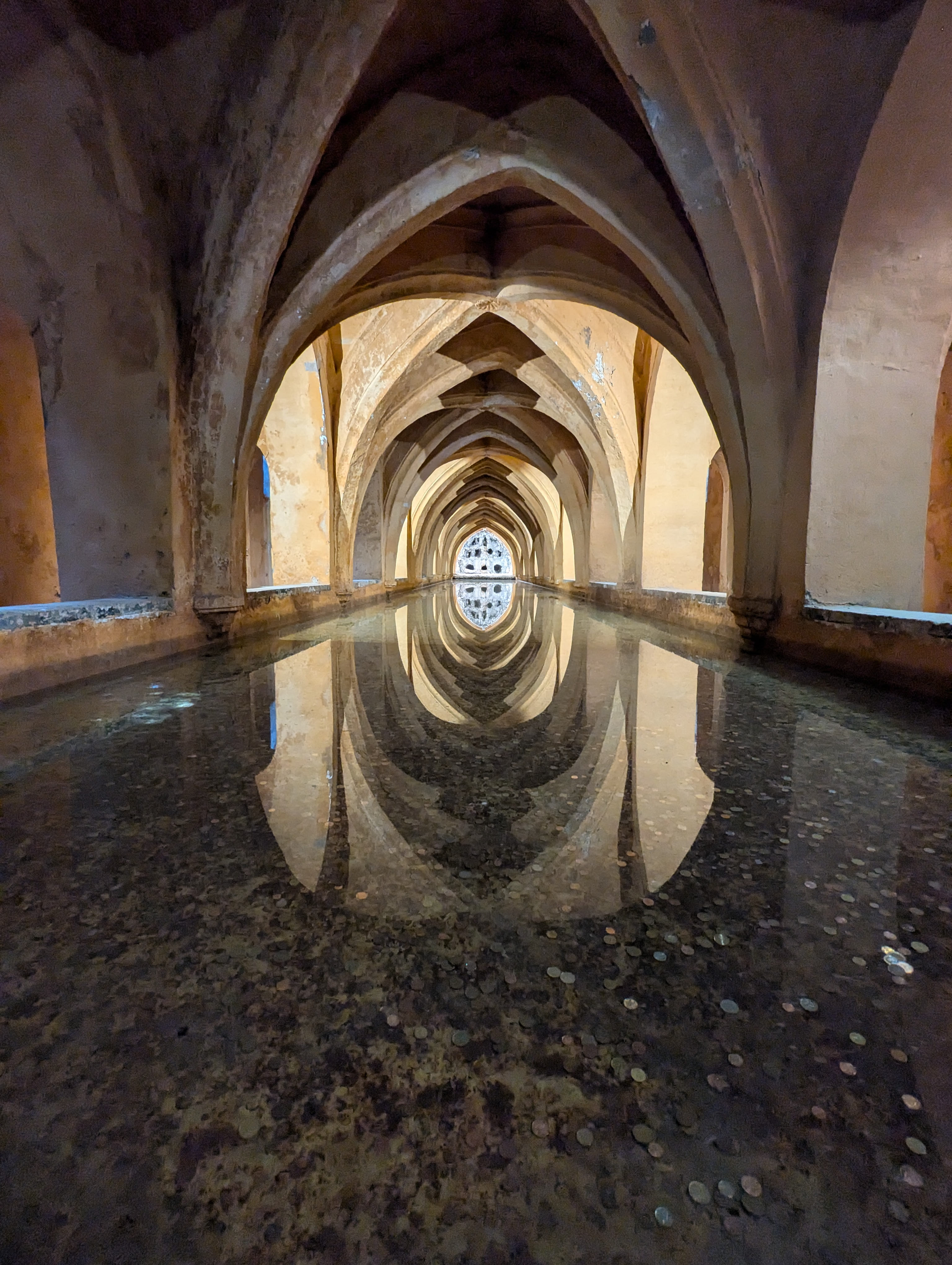
Royal Alcázar of Seville The most visited sight in the city — allow at least three hours. Some of the Dorne scenes in Game of Thrones were filmed here.
Do also make time for the adjacent cathedral and the surrounding centre, which has a canal-side quality that reminded me of Venice.
Day 9: Malaga
This day was mostly given over to personal errands, but we got a good chunk of Malaga in around them.
Malaga Cathedral Right in the city centre and worth going inside.
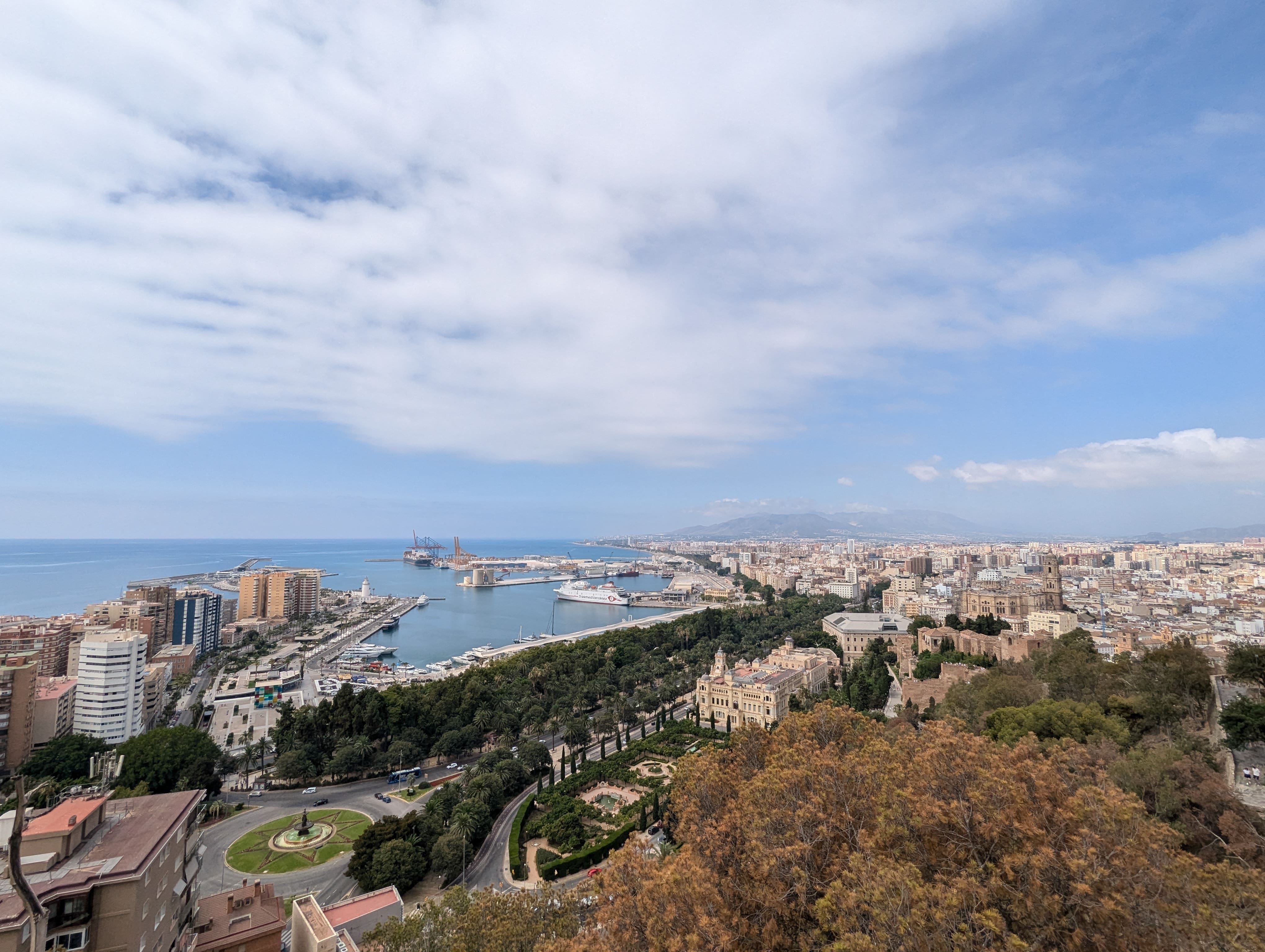
Alcazaba of Malaga & Castillo de Gibralfaro
Hike up to the Castillo for the best views over Malaga. A combined 5 euro ticket covers the viewpoint, the Alcazaba and the Roman theatre. Plan around three hours for the lot.
Museo Picasso Málaga Picasso was born in Malaga. His most famous work hangs elsewhere, but this collection still has excellent pieces and the building itself is lovely.
Day 10: Caminito del Rey + Ronda
One of the best days of the whole trip, and the furthest off the standard tourist track.
Ronda
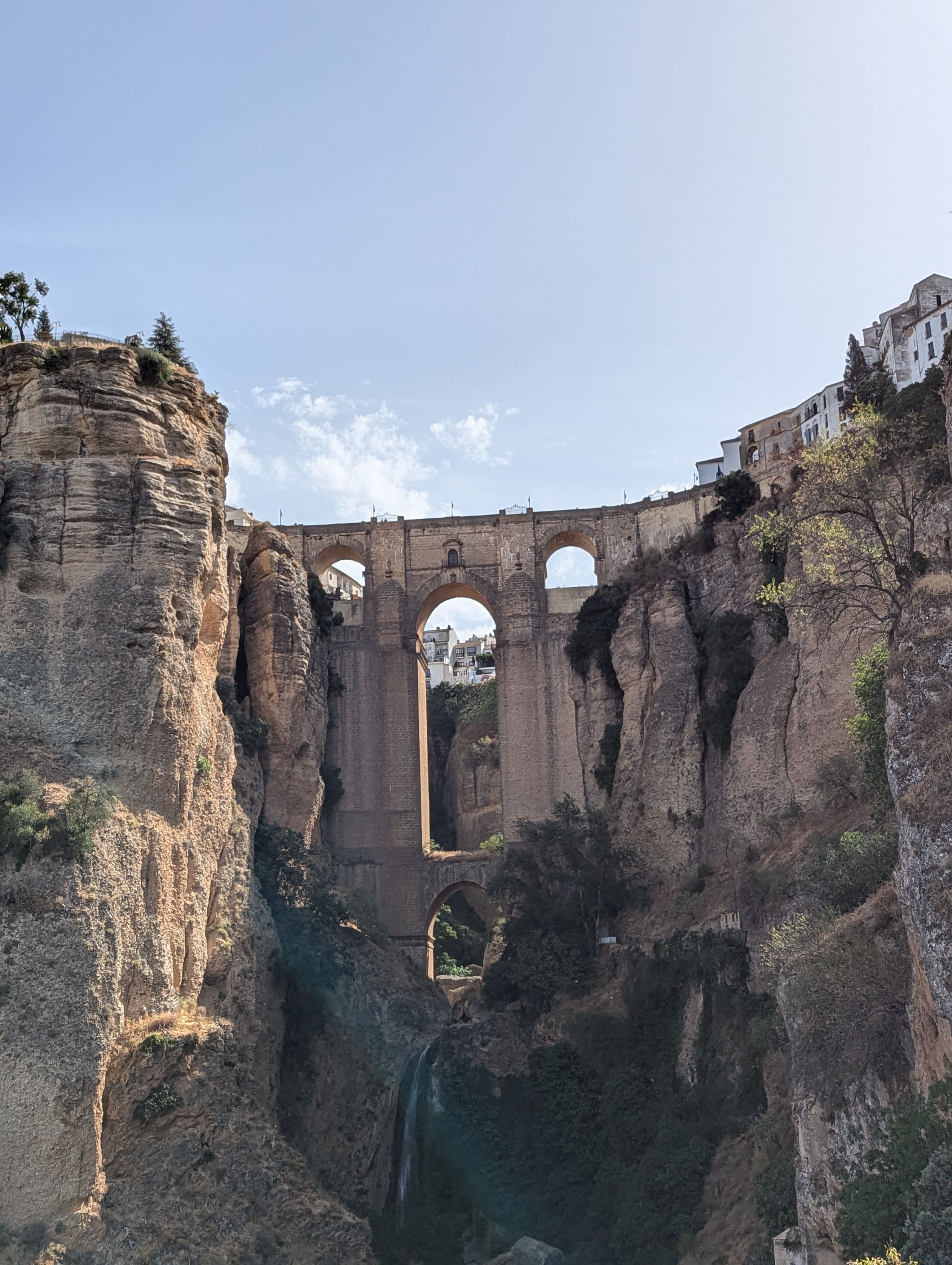
An hour and a half from Malaga. A small town with a staggering bridge over a deep gorge — it looks like something out of Lord of the Rings. We walked about 30 minutes down into the gorge for the best viewpoint, and it's free. Ignore the viewpoints closer to the top that belong to cafés and charge you if you don't buy something.
Full write-up here: Ronda in half a day.
Caminito del Rey Once one of the most dangerous walkways in the world, now rebuilt and completely safe. A majestic walk through a narrow gorge on a boardwalk pinned to the cliff face. Tips:
- Book at least 2 weeks in advance.
- The walk is one-way, and you need the shuttle bus from the car park to the entrance.
- We did the guided tour and found it more enjoyable and more informative than going alone.

The logistics here catch a lot of people out, so I've written a complete Caminito del Rey guide covering access points, parking and the shuttle.
Day 11: Granada
We drove to Granada, an hour and a half from Malaga.
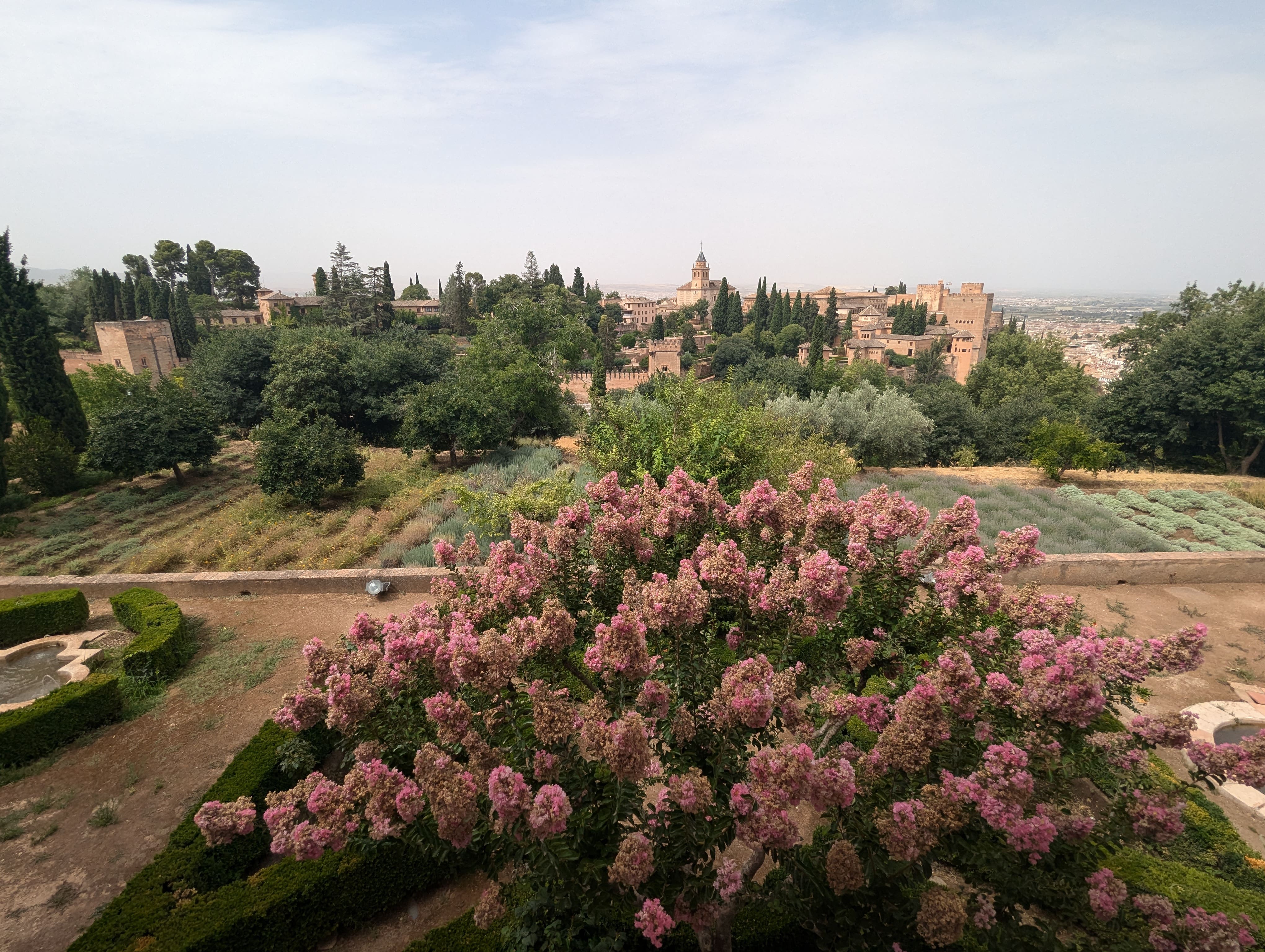
Alhambra Spain's most famous fortress, and the single sight on this itinerary you must book furthest ahead — at least 2 months. Entry to the Nasrid Palaces is on a timed slot and the ticket is void if you miss it, so plan the rest of your day around that time rather than the other way round.
It's a vast complex of palaces, fortifications and gardens with views back over Granada, and it comfortably fills a full day.
Day 12: Marbella & Colomares
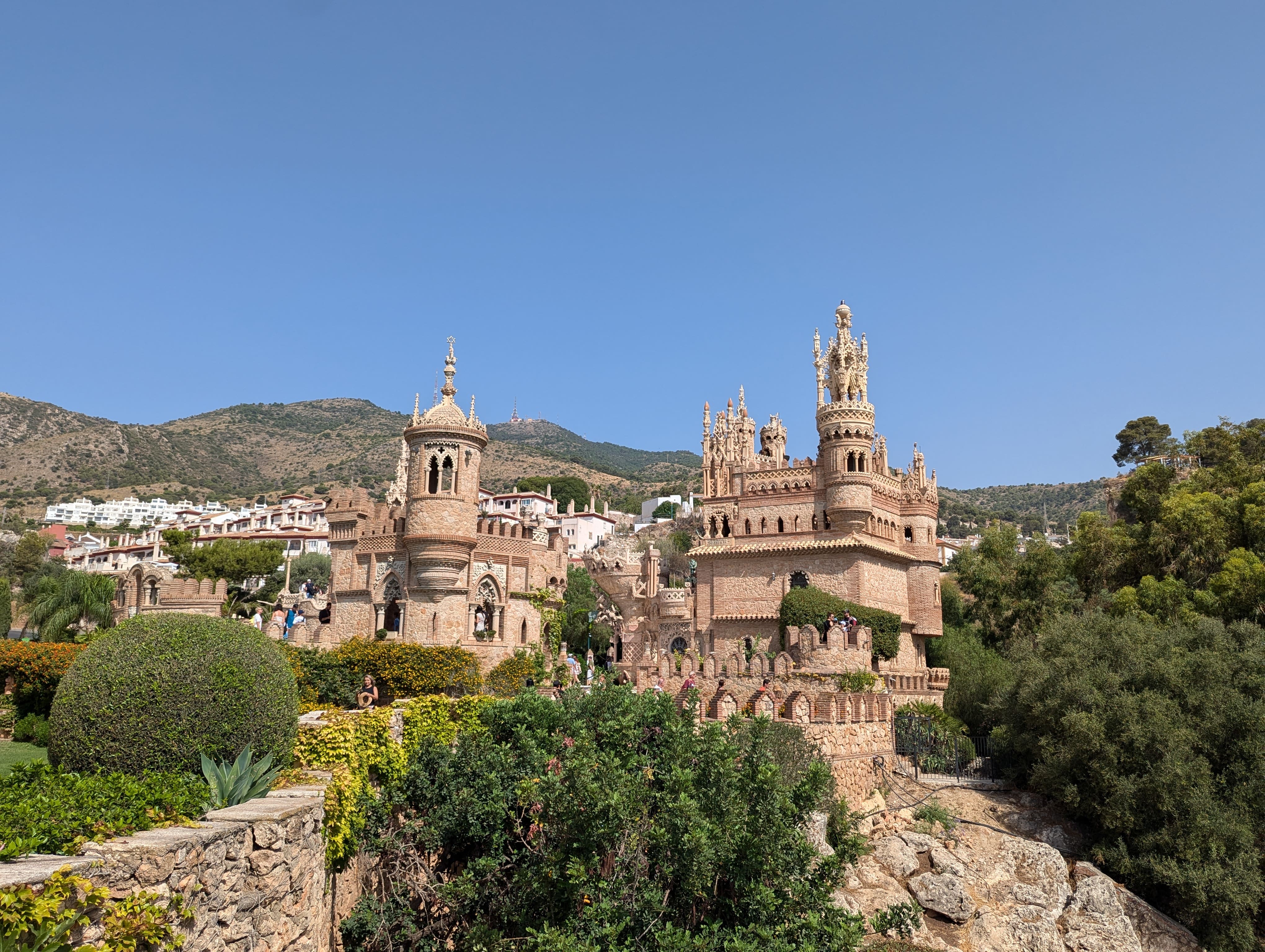
Our last full day. We started at Colomares Castle, 30 minutes from Malaga — a small, strange, beautiful monument to Columbus that only needs about half an hour of your time.
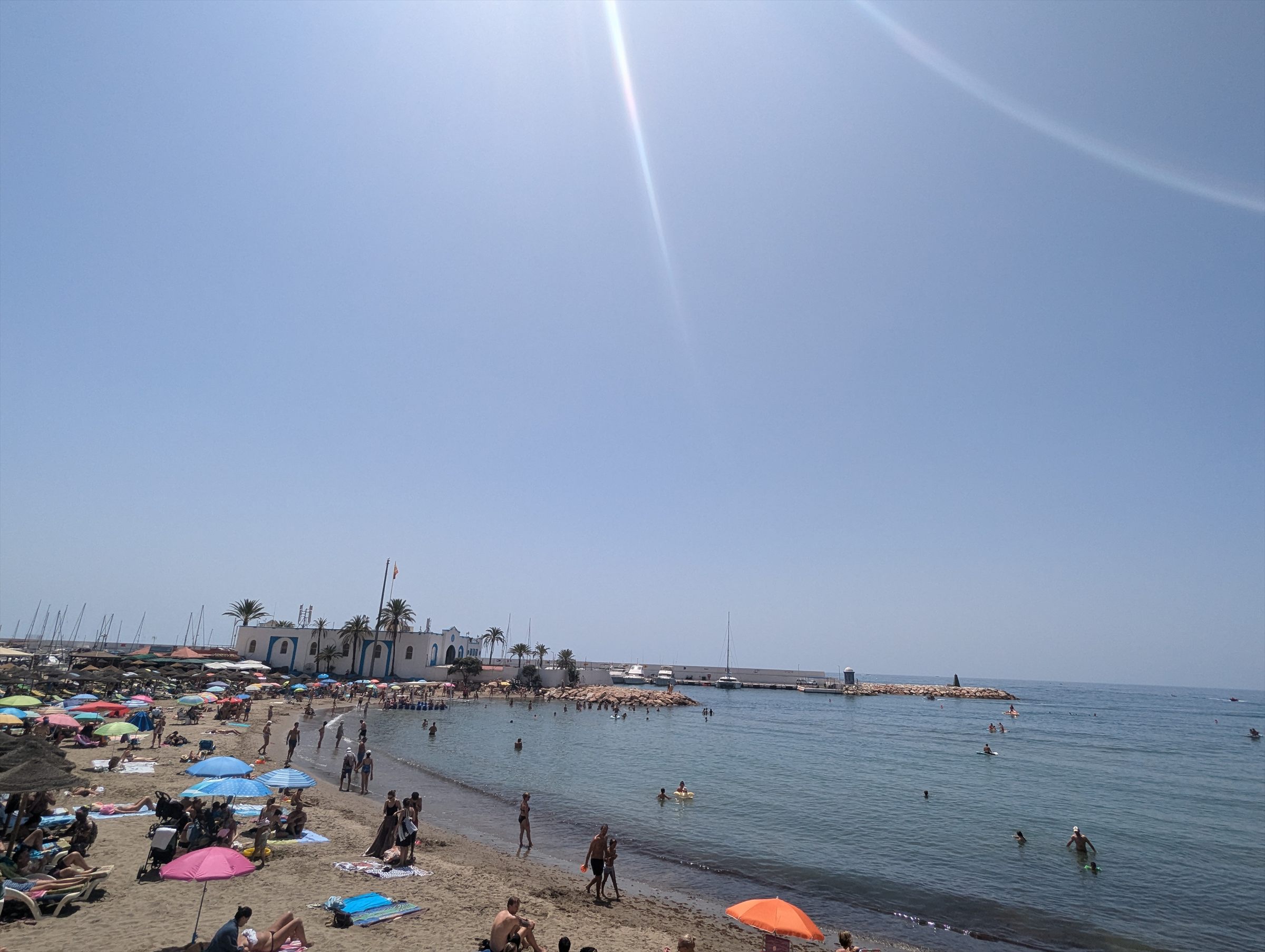
Then we drove on to Marbella, a coastal town that's ideal for doing very little. The beach had a bit of algae the day we went, but the drive along the Mediterranean coast to get there was stunning in its own right.
Days 13-14: if you have the full two weeks
We flew home after day 12, but if you have the extra days, these are what I'd add — all reachable from the same Malaga base, so you don't need to move accommodation:
- Cordoba (about 2 hours by car, or fast train from Malaga). The Mezquita is the one major Andalusian monument we didn't get to and the one I most regret missing.
- Nerja and Frigiliana (about an hour east). Sea caves and a white hill village, easily combined into one day.
- A second day in Granada. The Alhambra eats a full day on its own, which leaves the Albaicín quarter and the sunset view from Mirador de San Nicolás untouched.
- Gibraltar (about 1.5 hours). Bring your passport — it's a border crossing.
Alternatively, take the two days off the end and give them to Barcelona and Valencia at the start, where our schedule was tightest.
Related reading
- Best places in Spain — the five spots from this trip I'd go back to first
- 5 day Andalusia road trip from Malaga — days 7-12 above, expanded into a standalone route
- Caminito del Rey: complete guide
- Montserrat day trip from Barcelona
- Ronda in half a day
Thanks for reading! I hope this itinerary helps you plan your own trip around Spain.