3 Days in Tokyo: Shrines, Anime Stores, teamLab and Shibuya Sky
Three days in Tokyo, solo — Meiji Jingu, hunting cheap second-hand anime collectibles in Nakano Broadway and Akihabara, teamLab Borderless, Senso-ji, Shinjuku, Shibuya Crossing and Shibuya Sky at night, and the ginkgo avenue in late November.
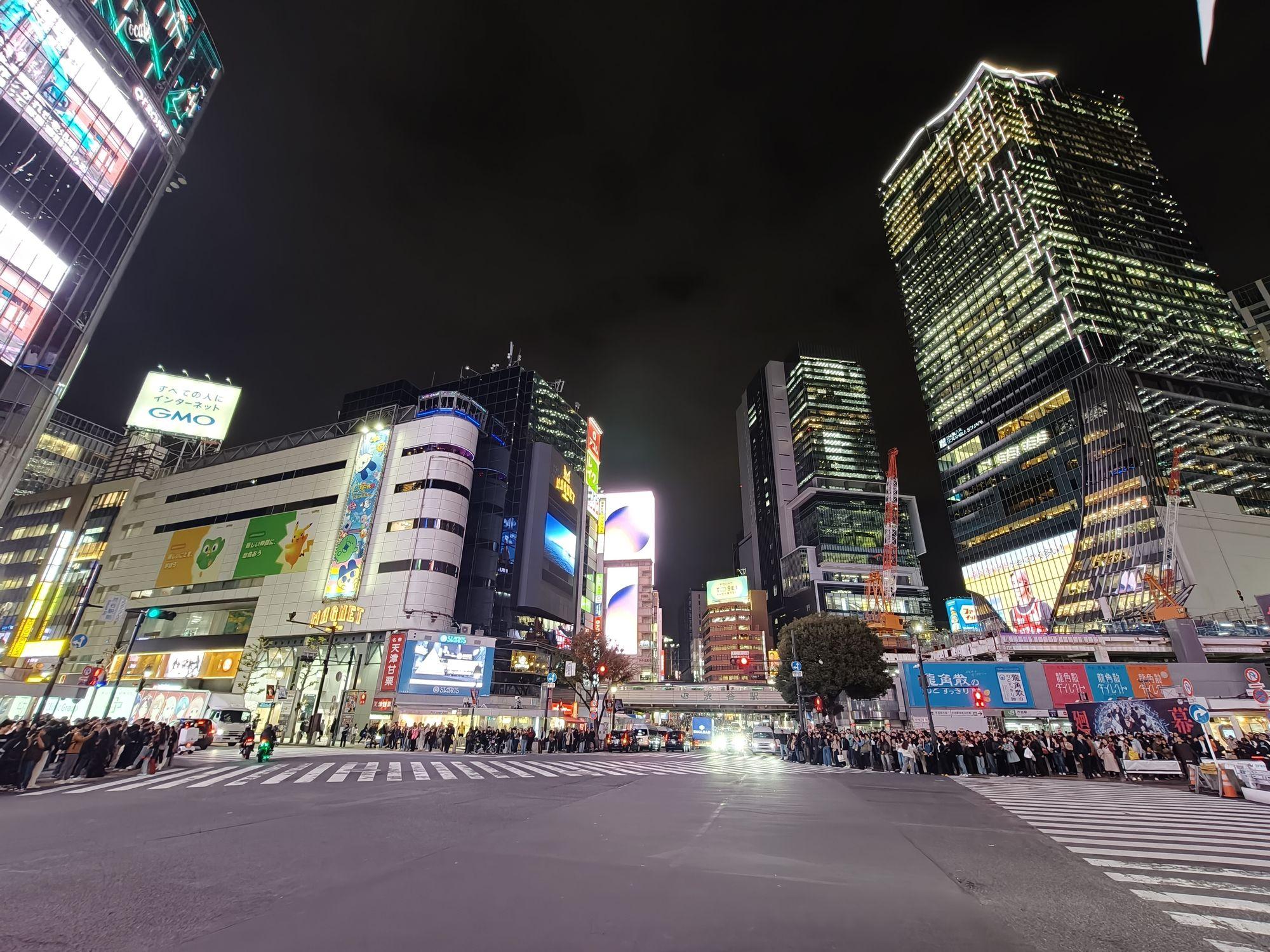
Tokyo was the start and the end of my 10 days in Japan: two full days at the beginning, plus an afternoon at the end after coming back from Osaka.
It's huge, but the metro makes it easy. This is how I'd split it.
Day 1: Meiji Jingu and Tokyo's anime districts
Meiji Jingu
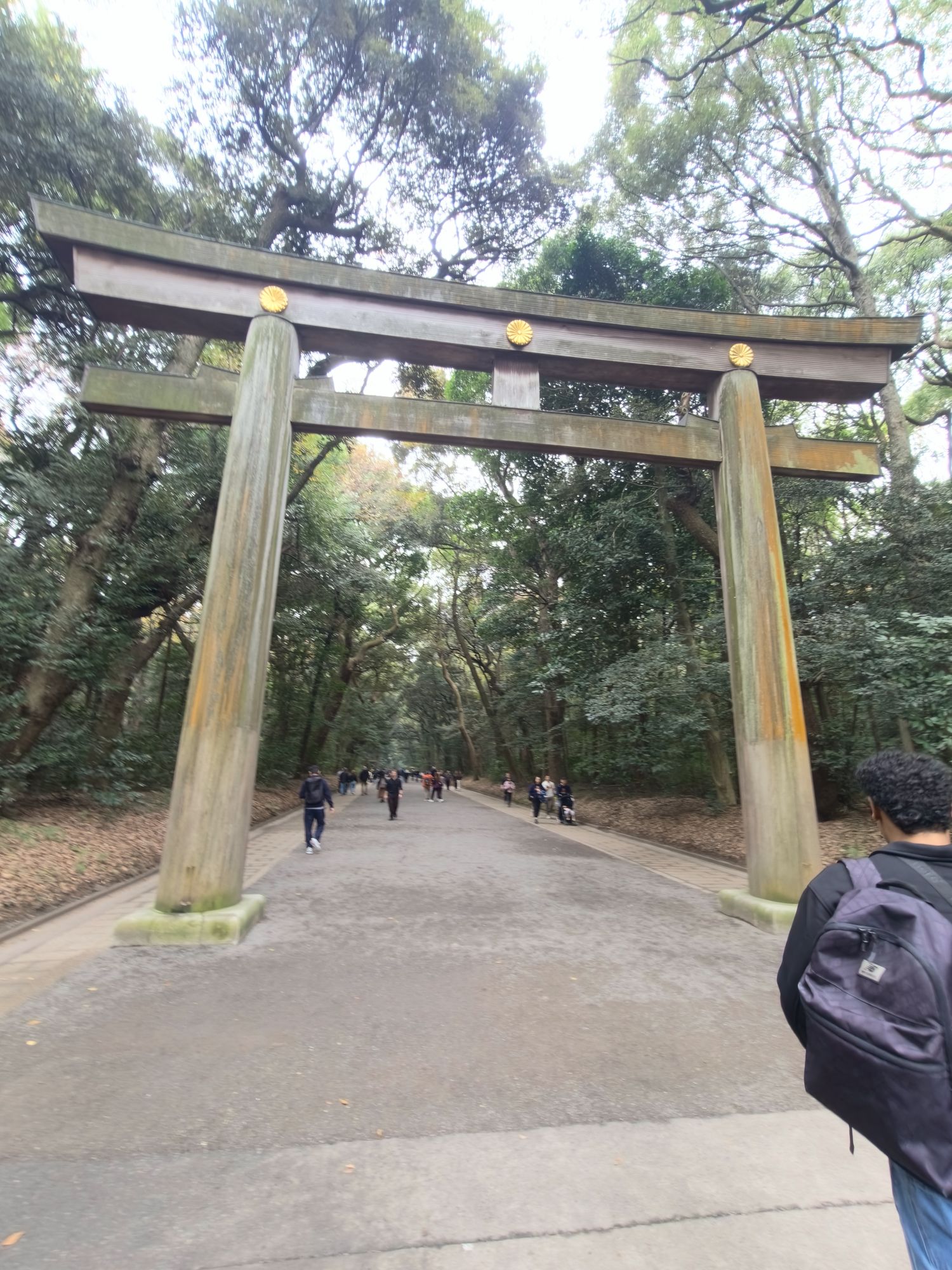
Start the morning at Meiji Jingu, right next to Harajuku station. You walk through enormous wooden torii gates and a forest path, and the city noise disappears completely.
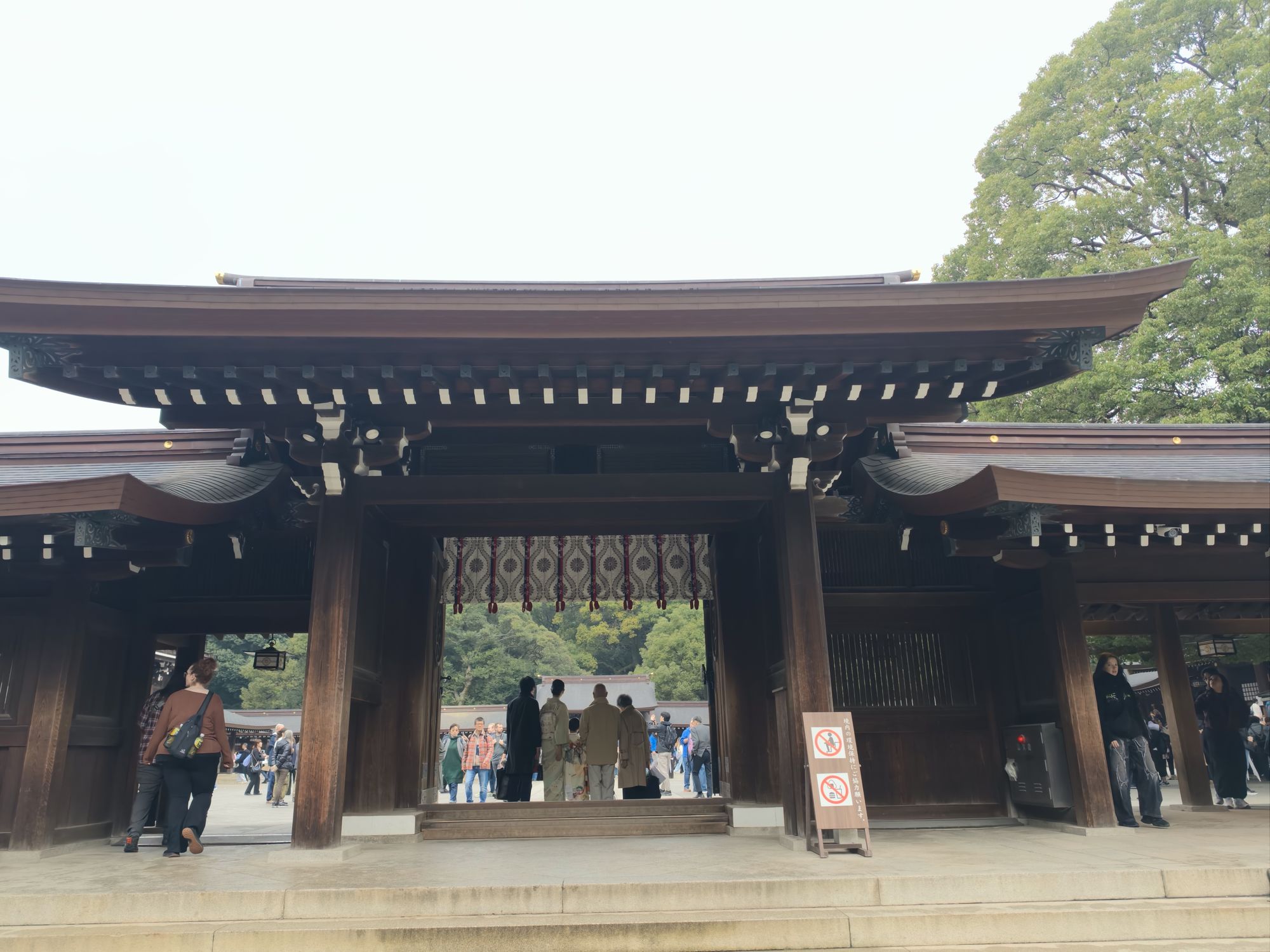
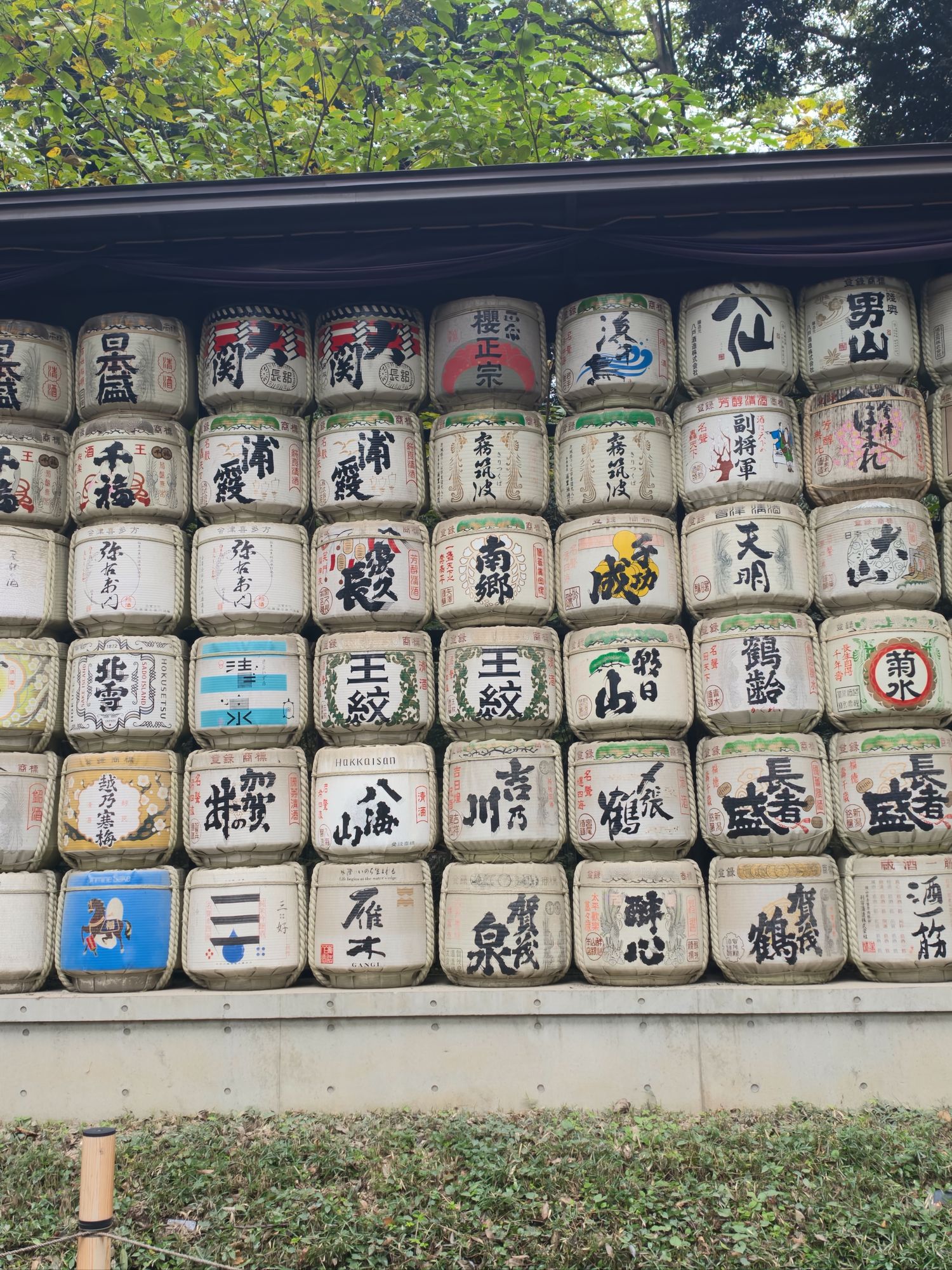
On the way in, look for the wall of decorated sake barrels donated to the shrine.
Anime stores: Shibuya, Nakano Broadway, Ikebukuro and Akihabara
The rest of the day was for the thing I'd come to Tokyo to do: hunting for cheap, second-hand anime collectibles.
Shibuya has the big official stores (Nintendo, Pokémon, Jump and SEGA) a short walk from Harajuku. They're great to look around, but this is new merchandise at full price.
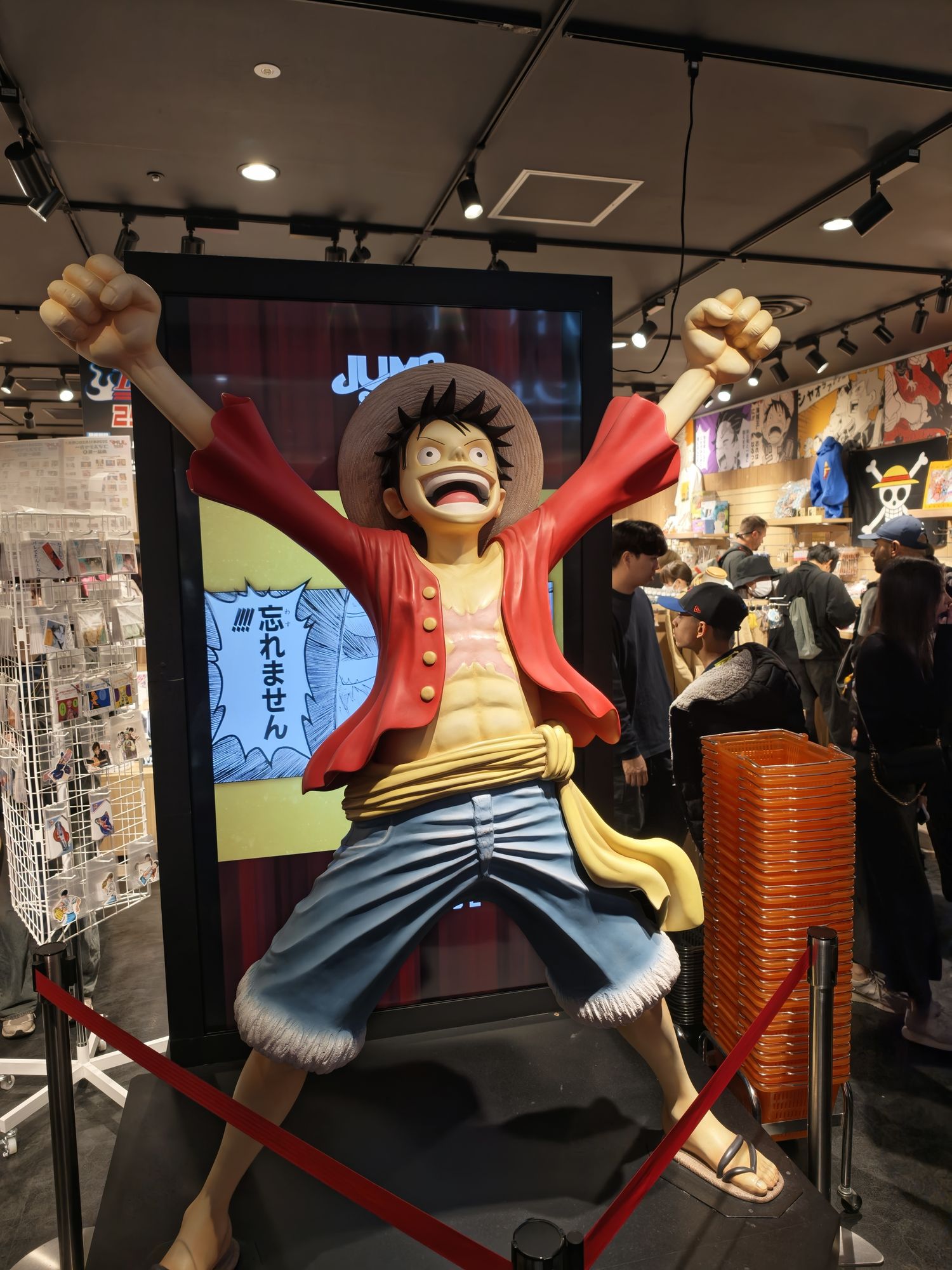
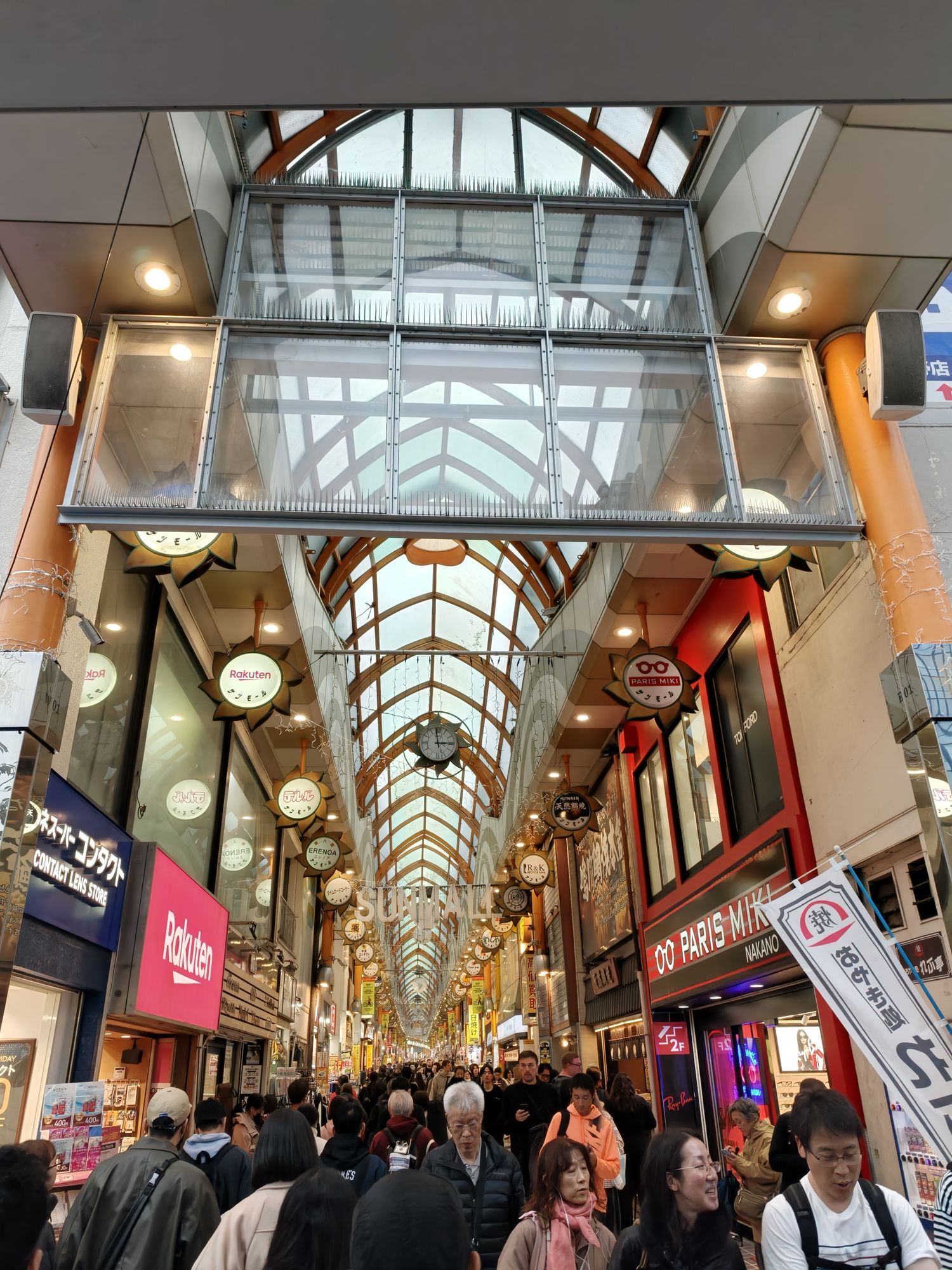
For the second-hand stuff, go to Nakano Broadway. It's a covered shopping arcade a few stops west of Shinjuku, and the floors above it are packed with tiny shops selling used figures, cards, manga and collectibles. This is where the bargains are.
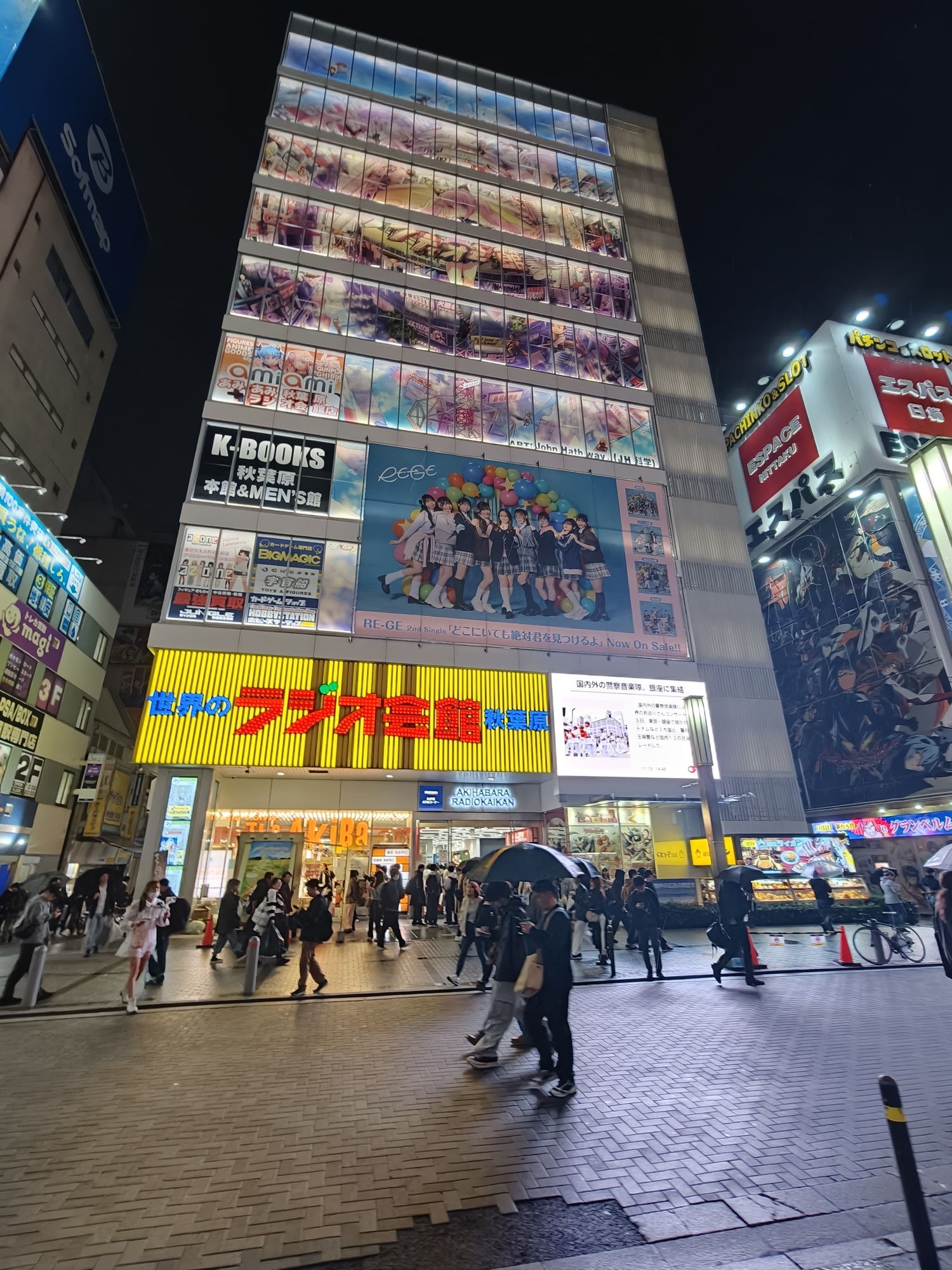
After a stop in Ikebukuro, I finished in Akihabara at night. It has the same mix of new and second-hand shops, but under a wall of neon.
Day 2: teamLab, Asakusa, Shinjuku and Shibuya
teamLab Borderless
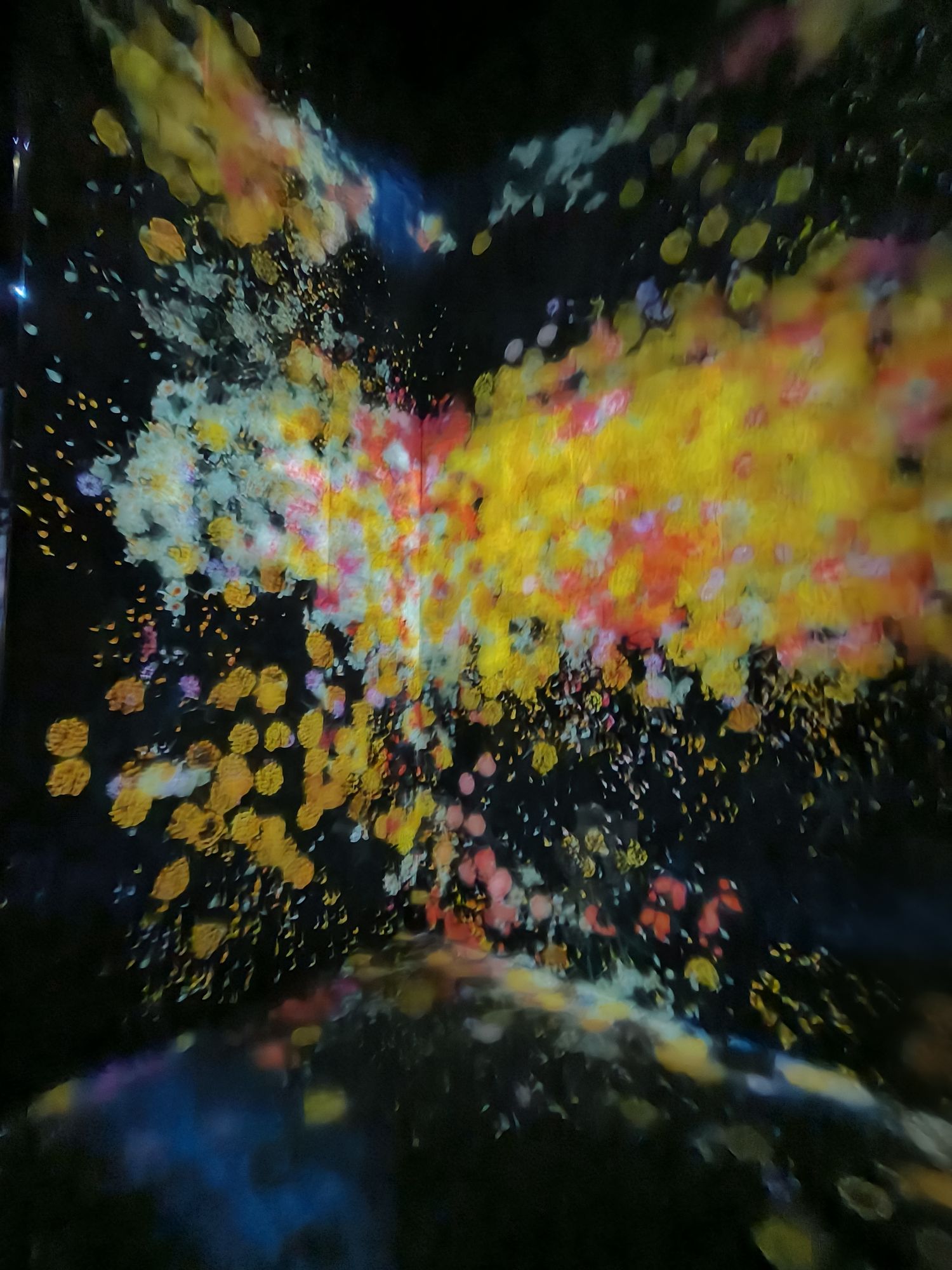
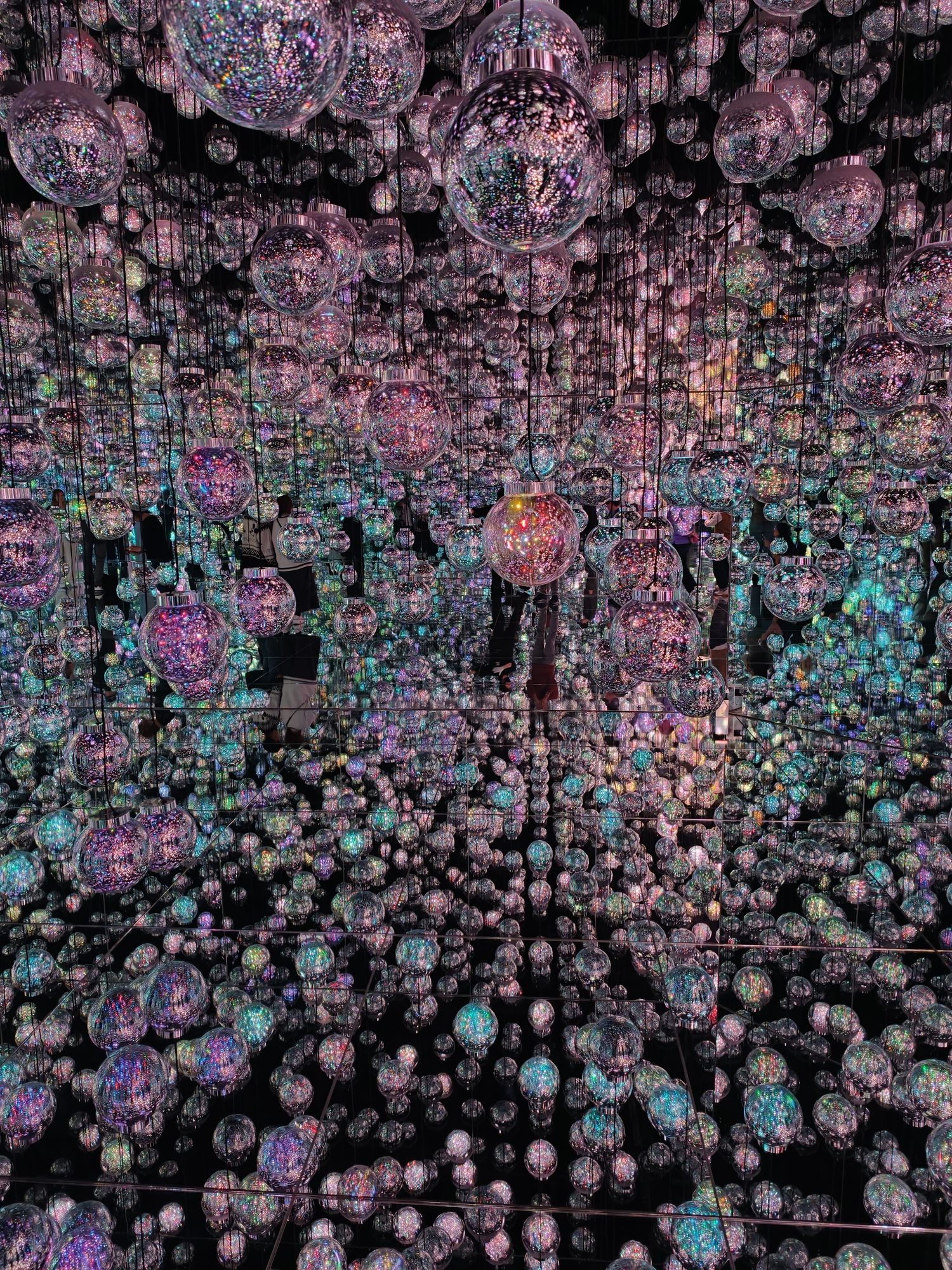
teamLab Borderless in Azabudai Hills is a museum of digital art rooms: projected flowers flowing across walls and floors, rooms of hanging light strands, and a room full of glowing lamps that change colour around you. Book a time slot in advance and give it a couple of hours.
Senso-ji
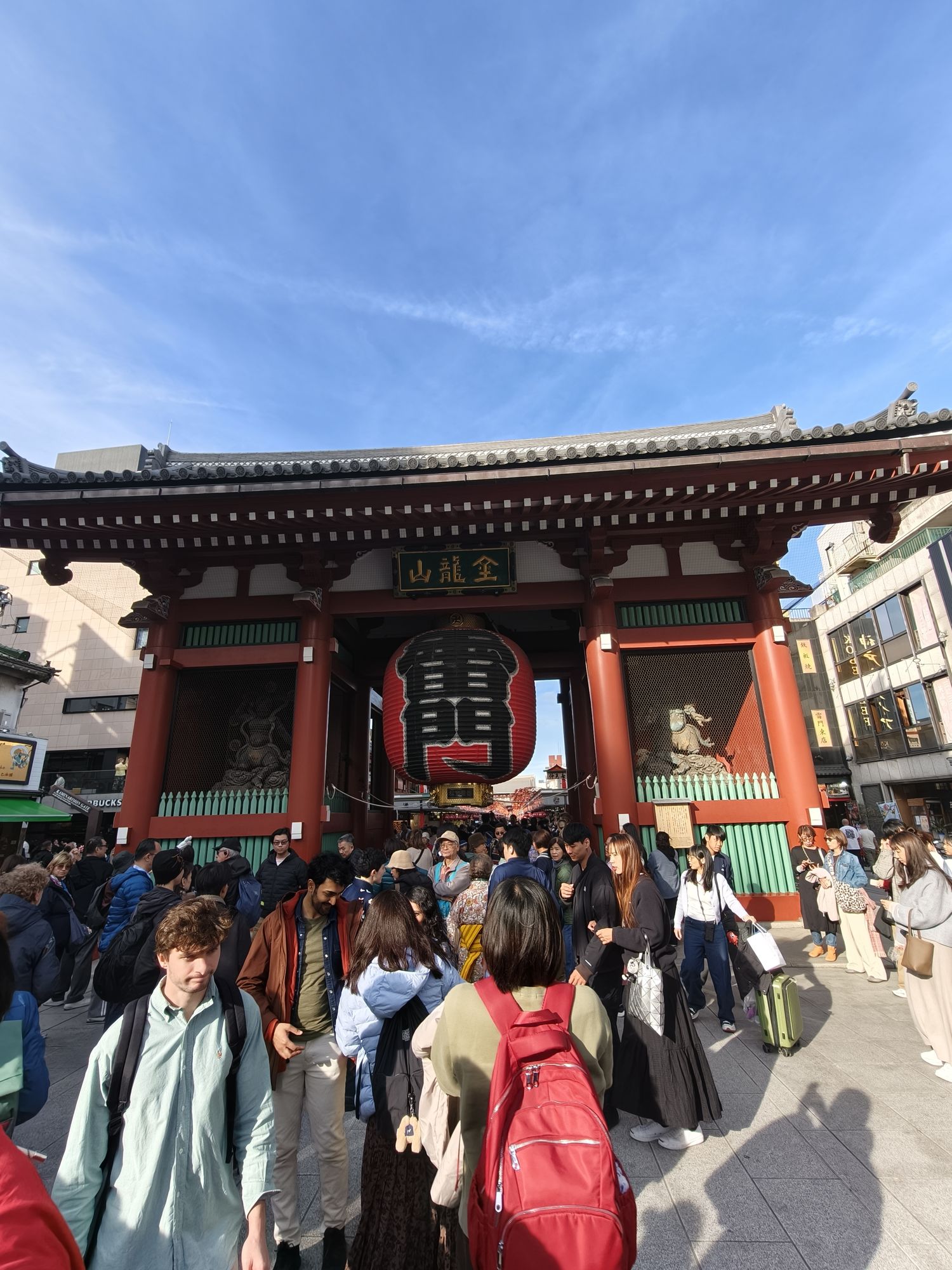
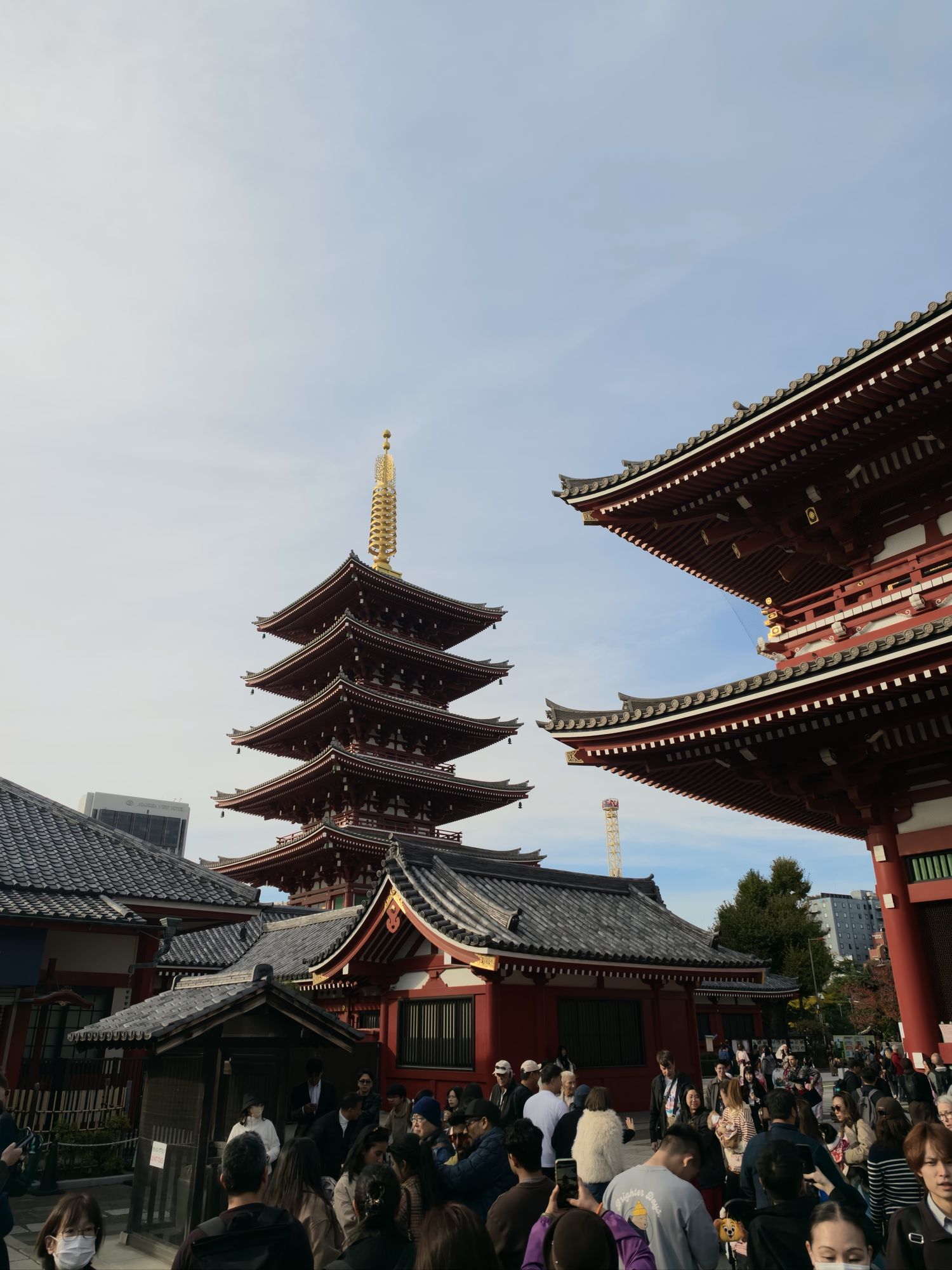
Then head to Asakusa for Senso-ji, Tokyo's oldest temple. You go in through the Kaminarimon gate with its giant red lantern, then down the Nakamise shopping street to the main hall and the five-storey pagoda. Pick up street snacks on the way.
Shinjuku
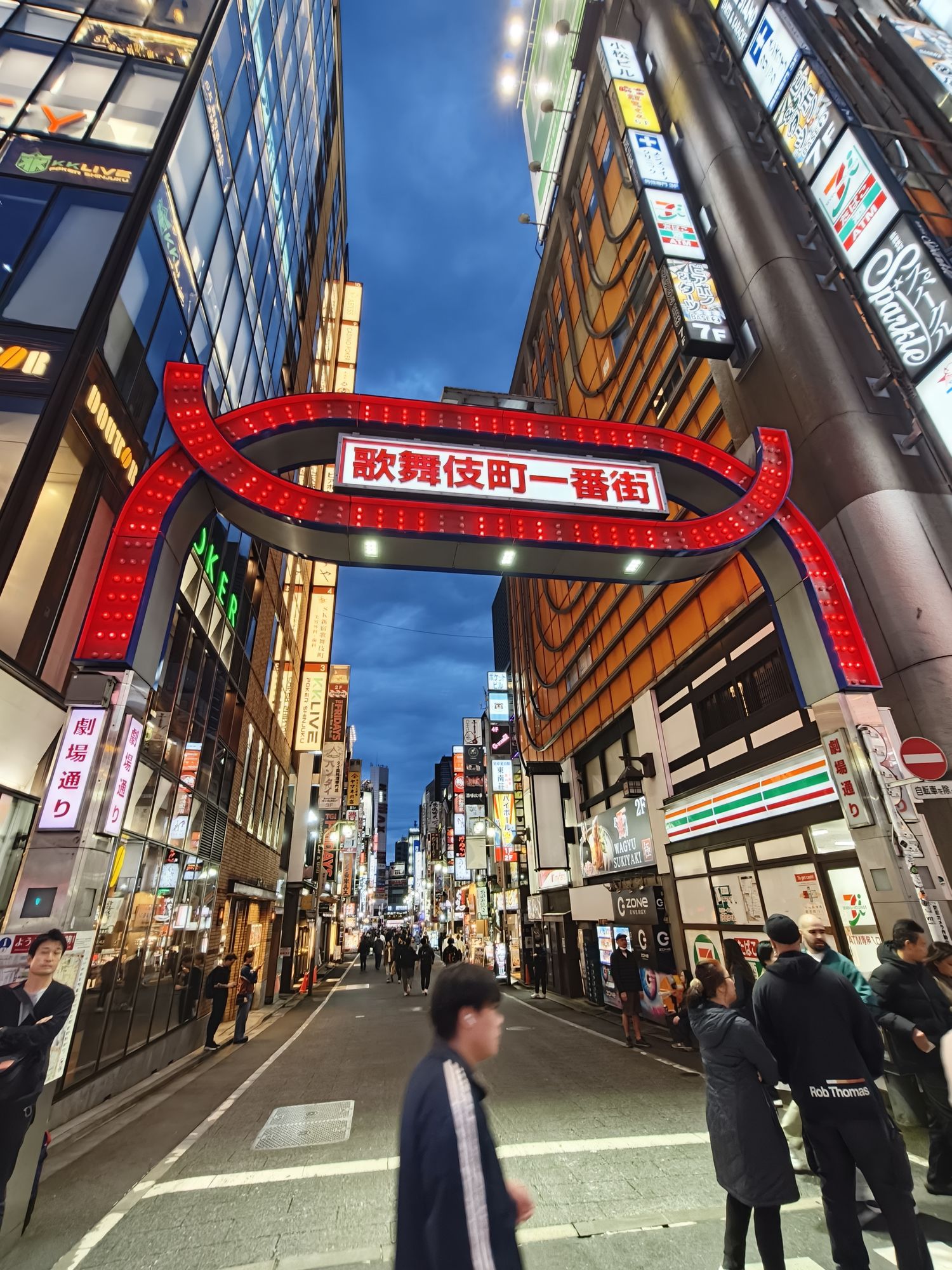
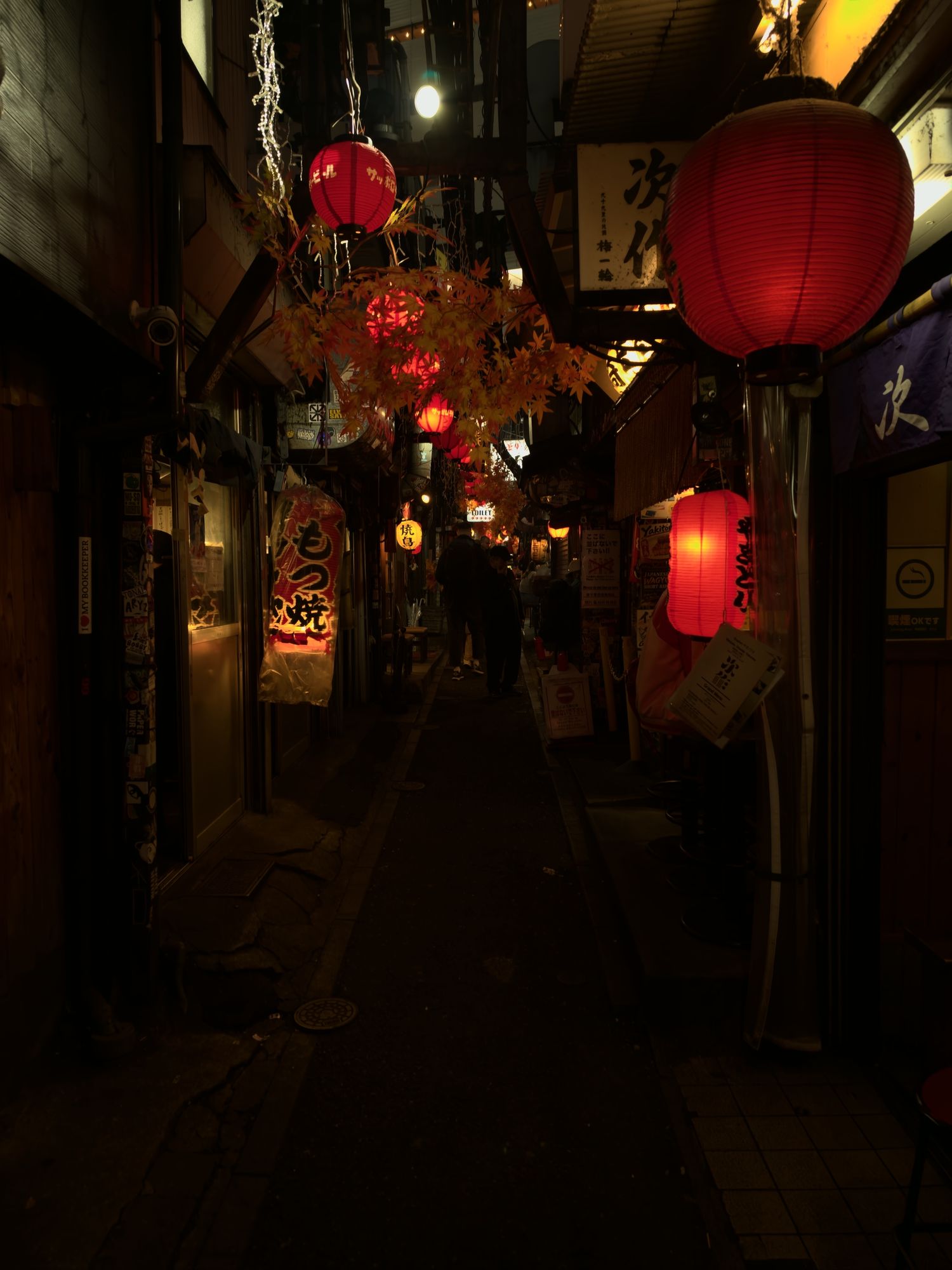
Late afternoon is a good time for Shinjuku, as the lights come on. Walk under the red Kabukicho gate, then duck into Omoide Yokocho, the narrow alleys of tiny lantern-lit bars and yakitori stalls by the station.
Shibuya Crossing and Shibuya Sky
Finish the day in Shibuya. Cross Shibuya Crossing a couple of times when the lights change, then go up Shibuya Sky for the night view. It's an open-air rooftop with glass edges, high above the crossing, and Tokyo's lights stretch out in every direction.
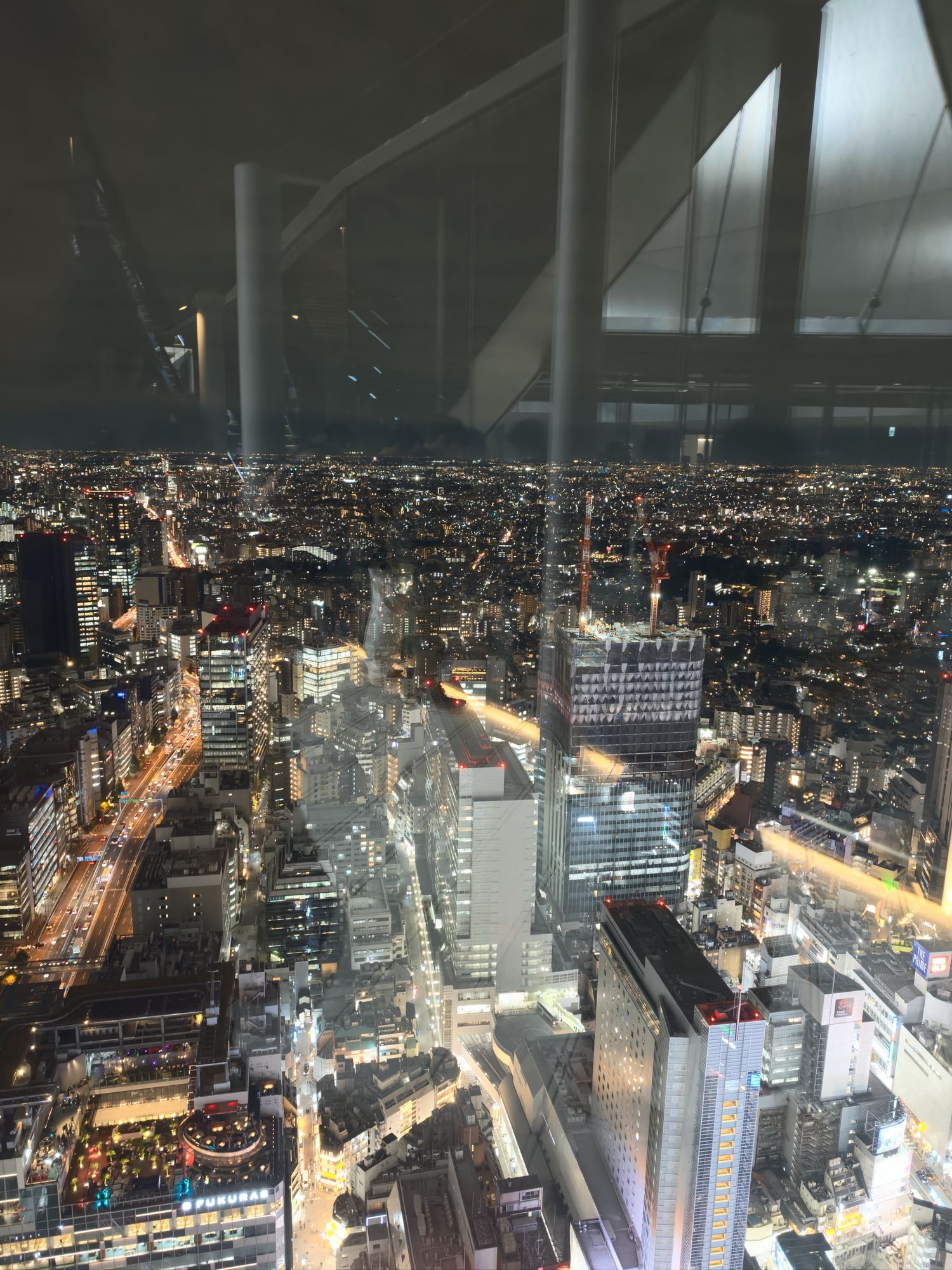
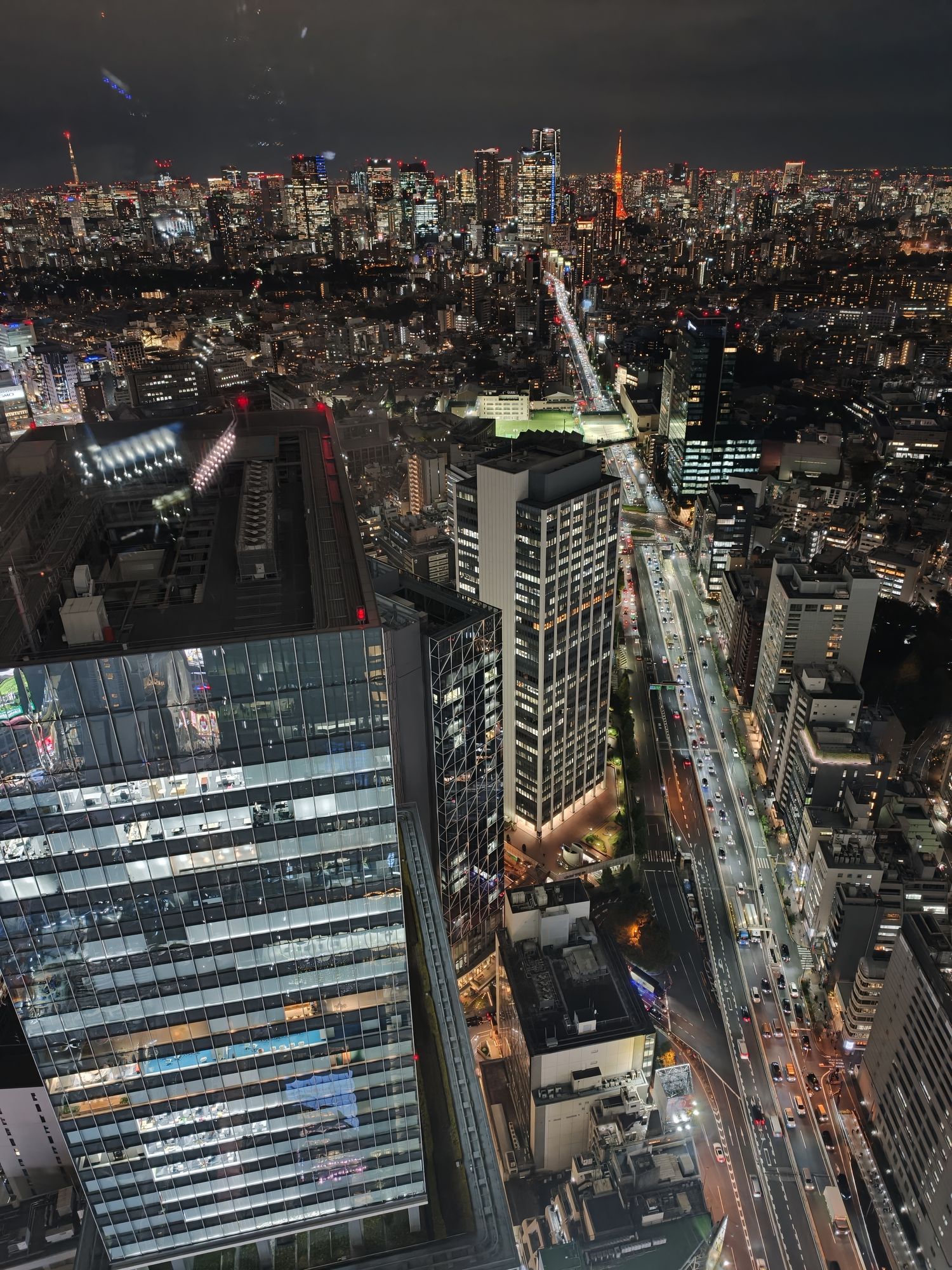
Book Shibuya Sky ahead. Sunset and evening slots are the first to go.
Bonus afternoon: the ginkgo avenue in late November
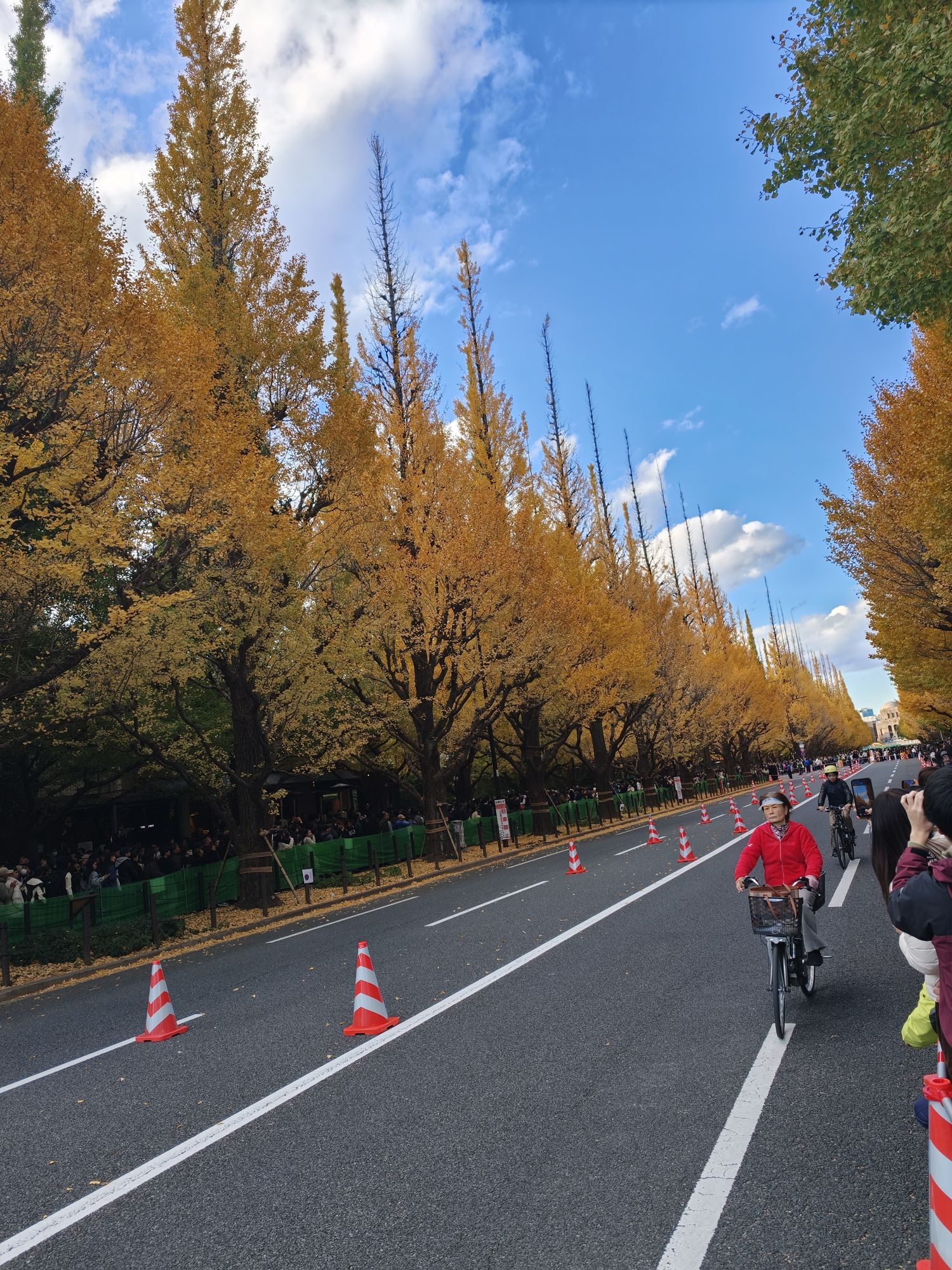
If you're in Tokyo in the second half of November, go to the ginkgo avenue at Jingu Gaien. Two rows of tall ginkgo trees line the road and turn bright yellow. It's free and close to Aoyama-itchome station. I went on my last afternoon in Tokyo, after coming back from Osaka.
Tips
- Book the timed attractions early. teamLab and Shibuya Sky both sell out.
- For cheap collectibles, go second-hand. Nakano Broadway and Akihabara over the big official stores.
- Food is cheap. Around ¥1,200 per meal was normal for me.
- Use an IC card (Suica or PASMO, on your phone works) for the metro, and you'll barely think about tickets.
- Come back at the end of the trip if you can. I had an afternoon in Tokyo at the end, and a day trip to Mt Fuji.