3 Days in Kyoto in Autumn: Maples, Moss Gardens and Night Illuminations
Three days in Kyoto in mid-November — Kiyomizu-dera, the Saiho-ji moss temple (booked two months ahead), Arashiyama, Kinkaku-ji, the Kodai-ji night illumination, Tofuku-ji and Fushimi Inari.
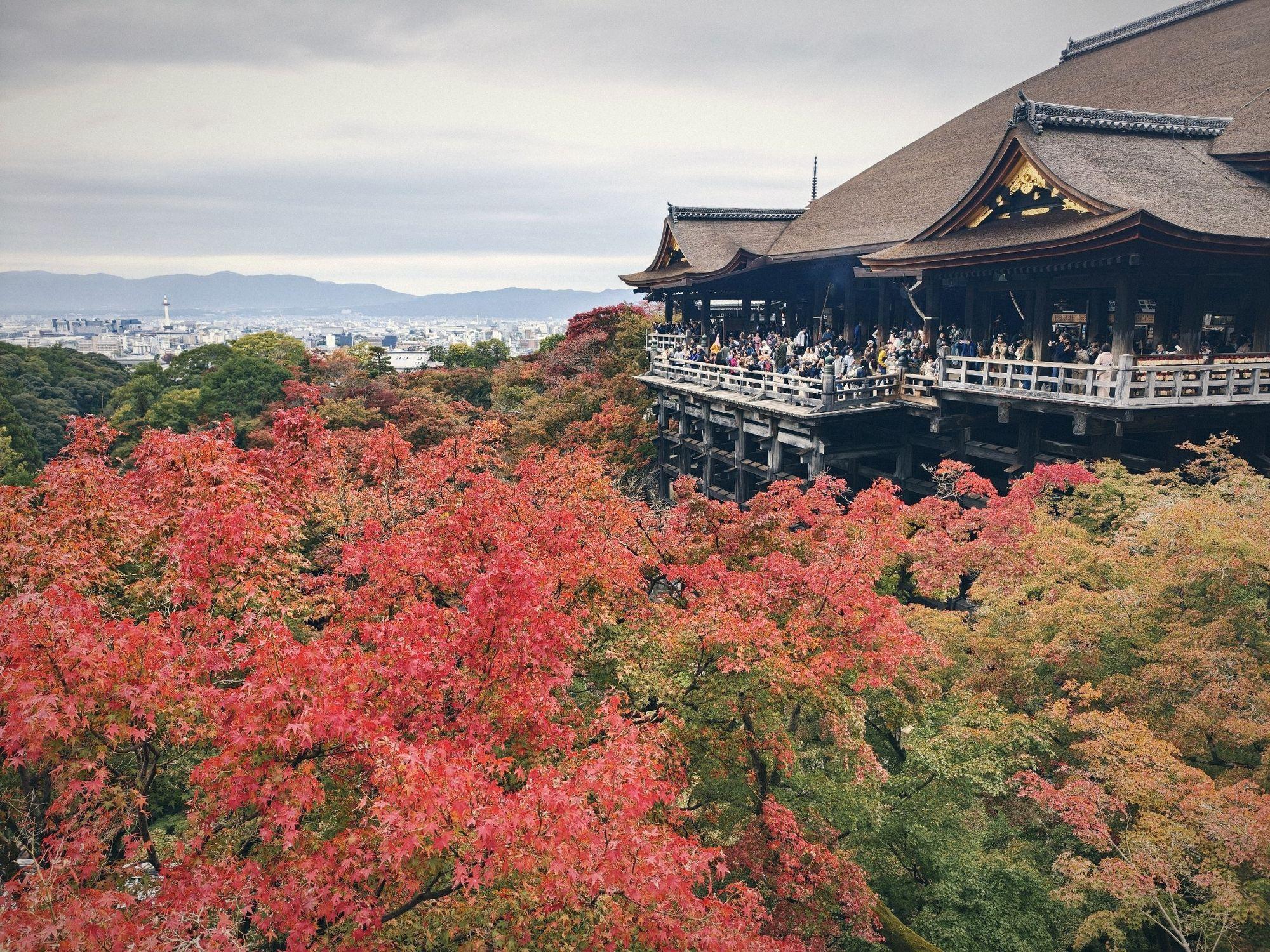
Kyoto in mid-November is what most people picture when they think of Japan in autumn: red and orange maples over wooden temples, moss gardens, and temple grounds lit up at night.
I gave it three days on my 10-day Japan trip. The colours were at or close to their peak, and every day had something I'd recommend.
The one thing to sort out before anything else: book Saiho-ji about two months ahead. It's reservation-only, and it's one of the most special gardens in this guide.
Day 1: Kiyomizu-dera and the old streets of Higashiyama
I came in on the morning Shinkansen from Tokyo and went straight to Kiyomizu-dera.
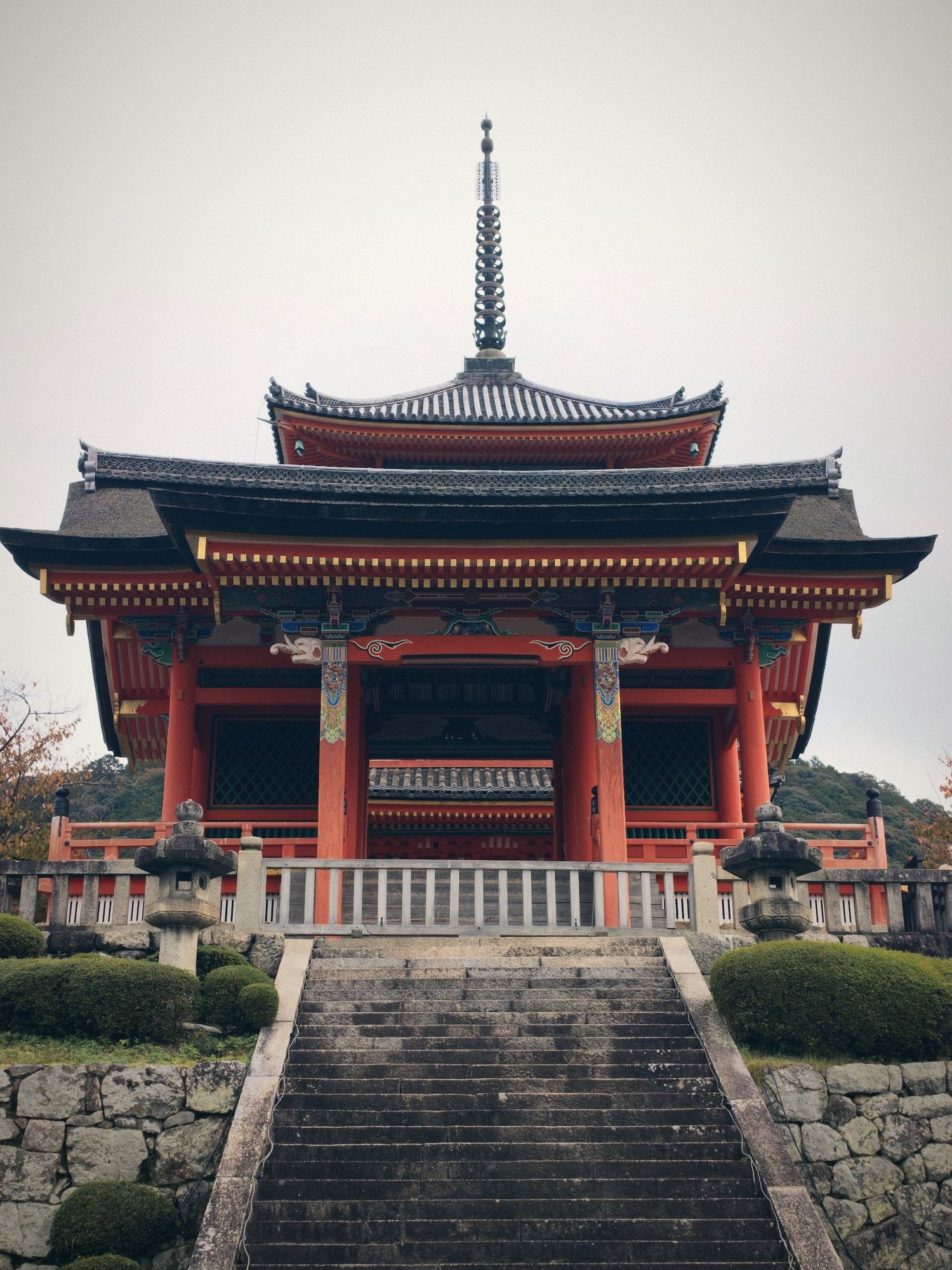
The walk up through the shopping streets is busy. Then you reach the bright red Niomon gate, and the reason everyone comes is just behind it.
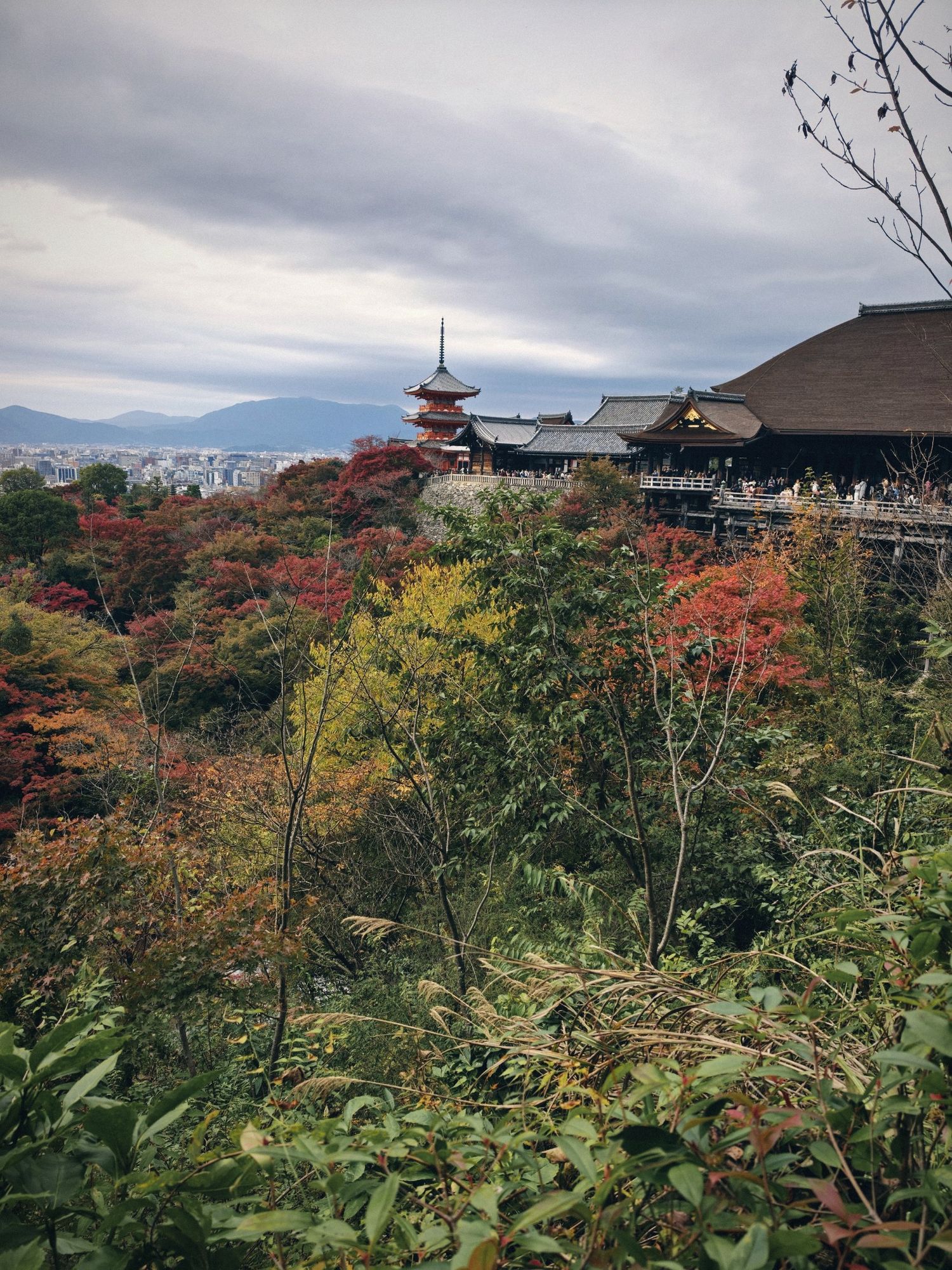
The main hall sits on a huge wooden stage built out over the hillside. In autumn, the valley below it is a solid block of red maples. Walk the path past the main hall and look back: that's the classic view of the stage floating over the trees, with the city behind it.
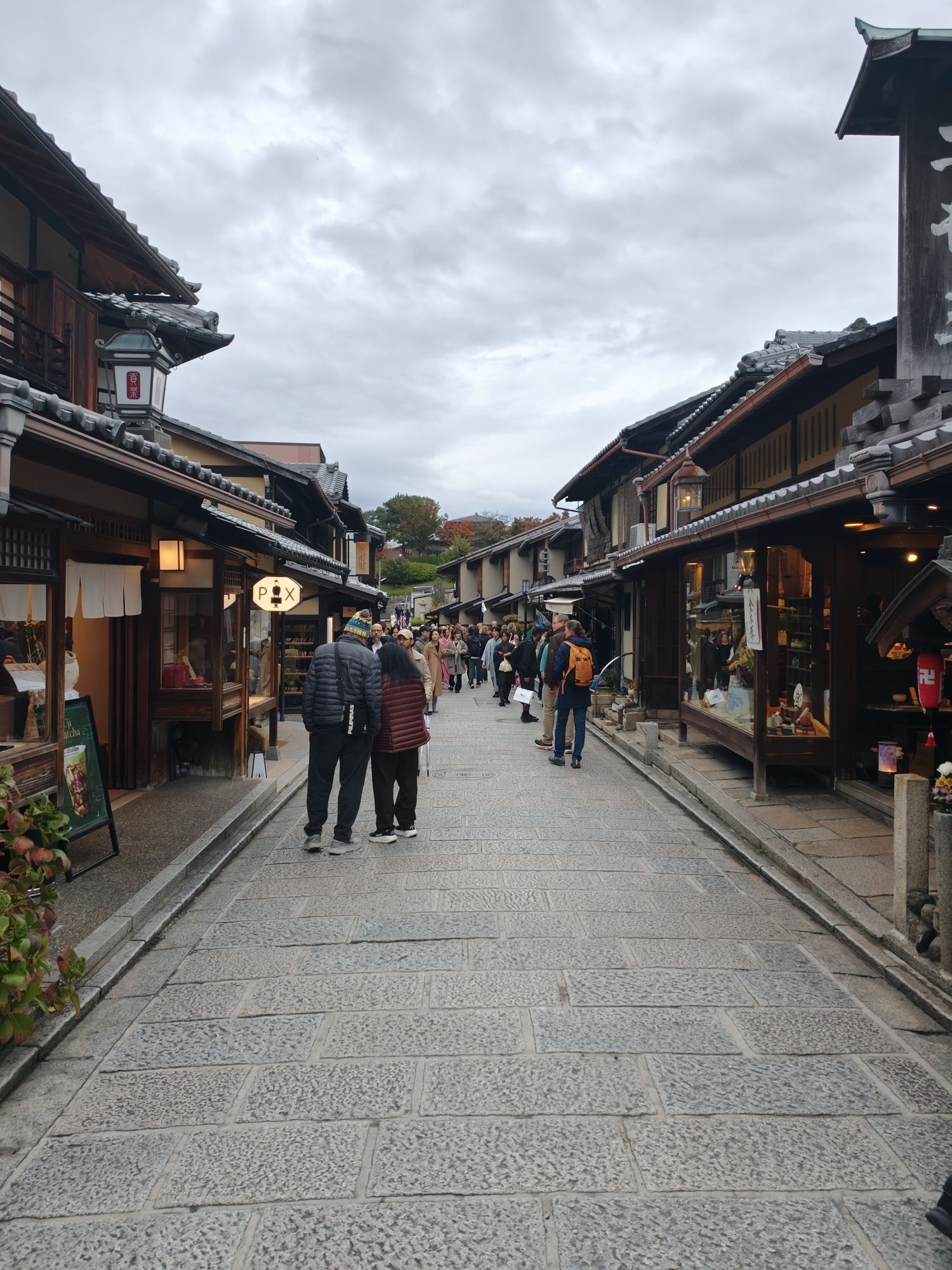
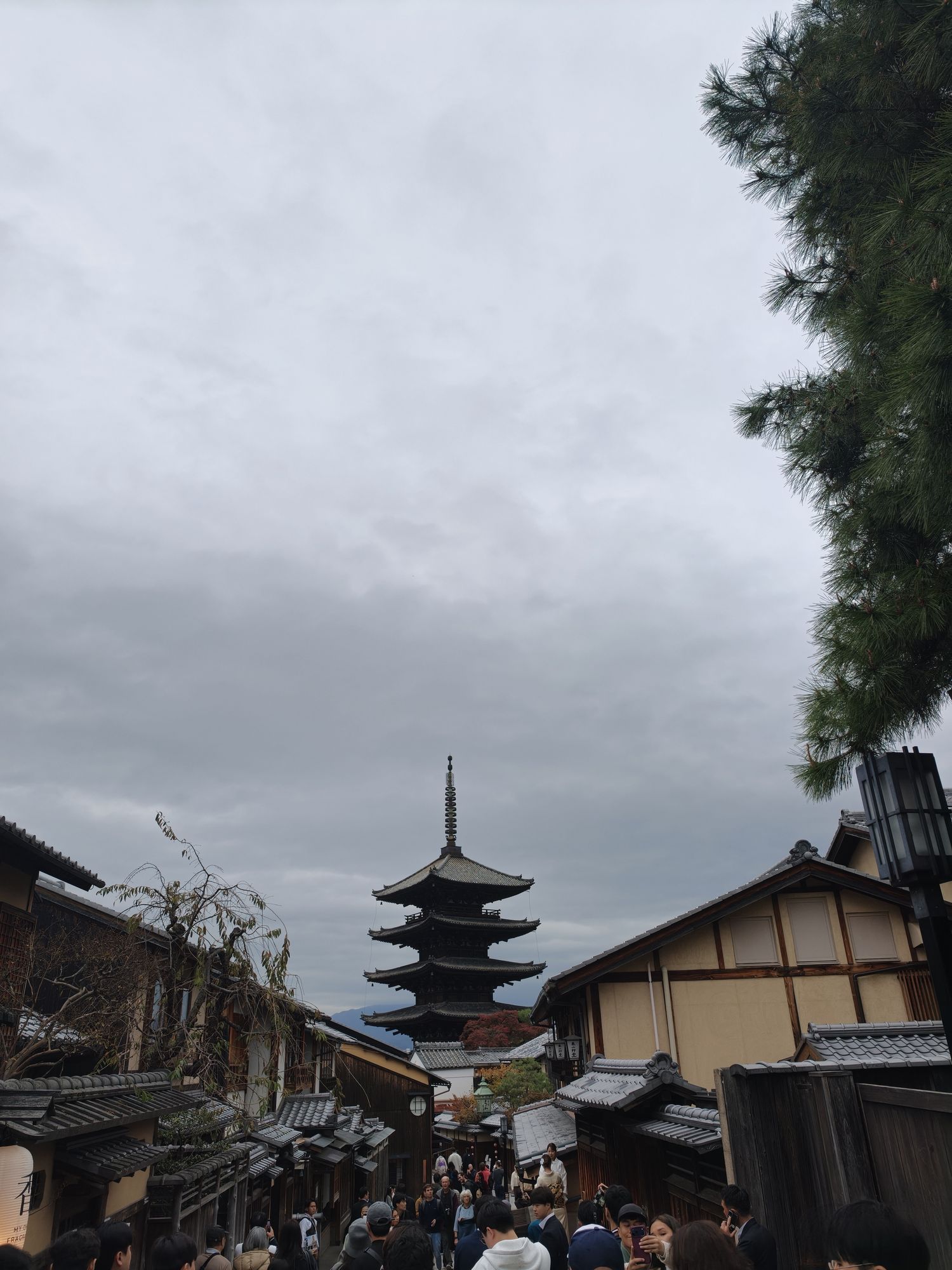
From there, walk down through Sannenzaka and Ninenzaka, the old stone-paved streets of wooden shops, to the Yasaka Pagoda. This is the most photographed street in Kyoto, so expect crowds.
Day 2: Saiho-ji, Arashiyama, Kinkaku-ji and Kodai-ji at night
This was the longest day of the trip, and it's the one I'd plan Kyoto around.
Saiho-ji (Kokedera, the moss temple)
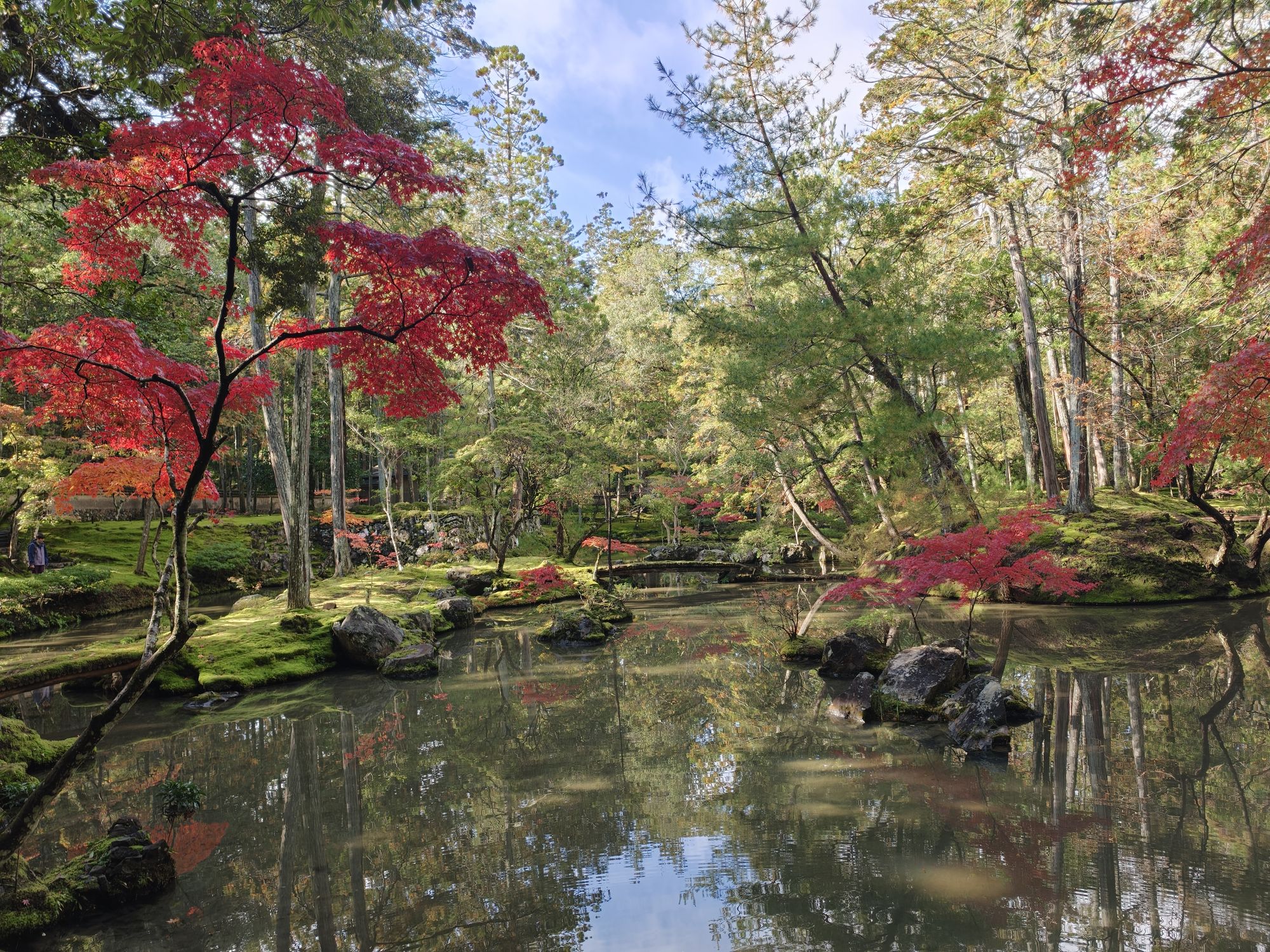
Saiho-ji only lets in visitors with a reservation, and I booked mine about two months in advance. It's worth the effort.
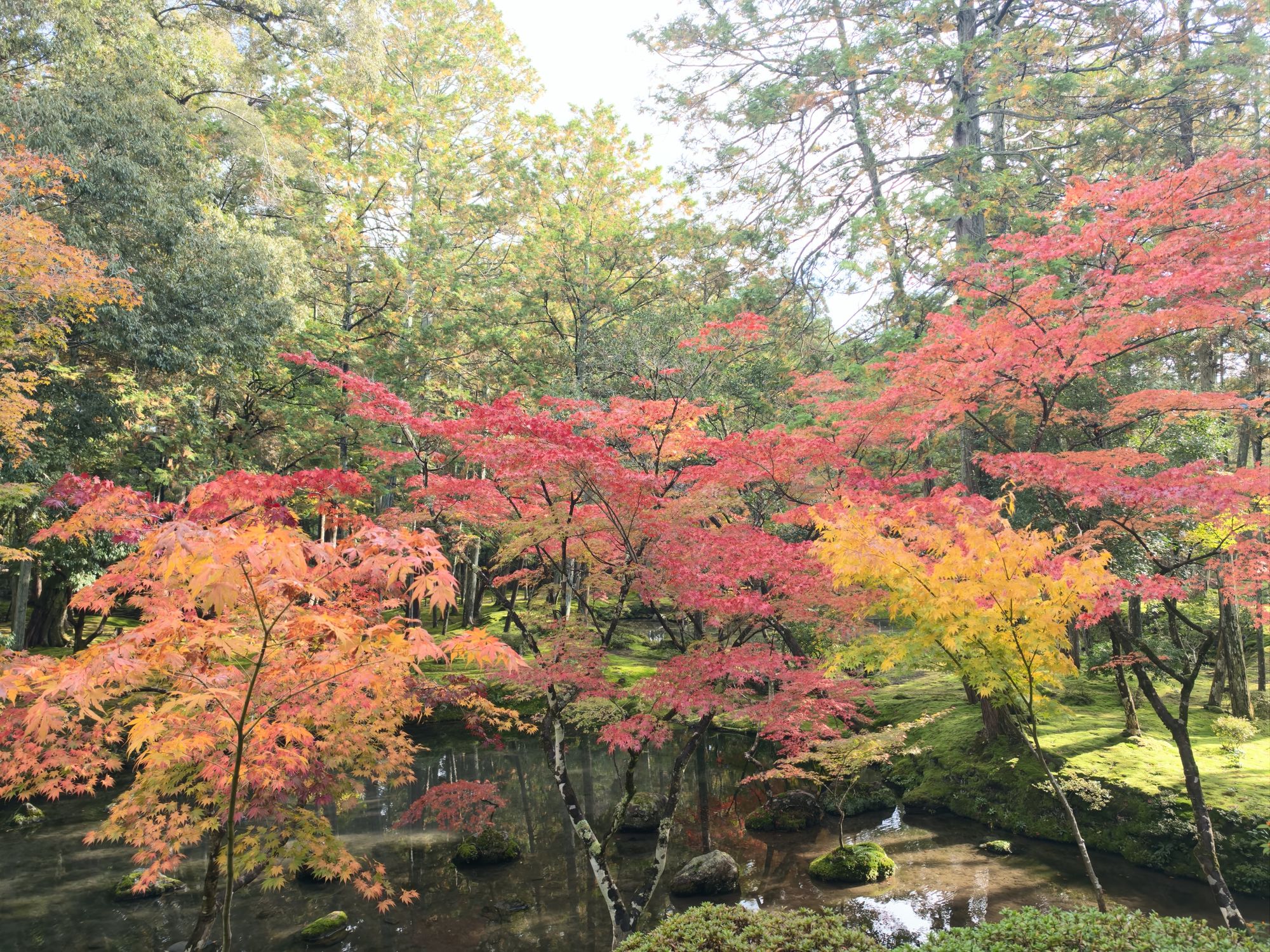
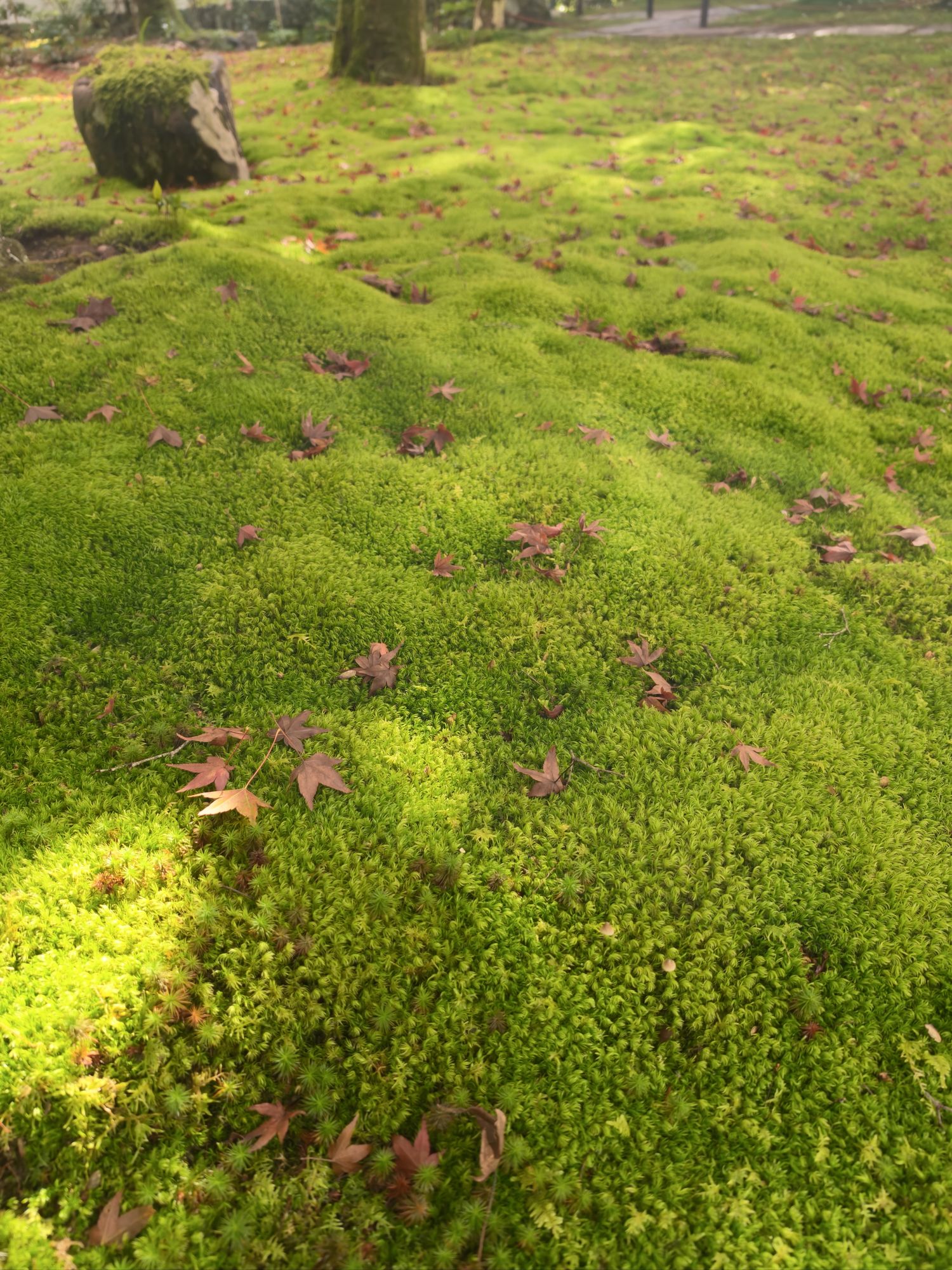
The garden is a pond surrounded by more than a hundred kinds of moss, under maples and tall cedars. Because visitor numbers are limited, it's quiet in a way nothing else in Kyoto is. My slot was early in the morning, with low sun coming through the maples onto the moss.
Arashiyama: Tenryu-ji and the bamboo grove
Saiho-ji is in western Kyoto, so it pairs naturally with Arashiyama.
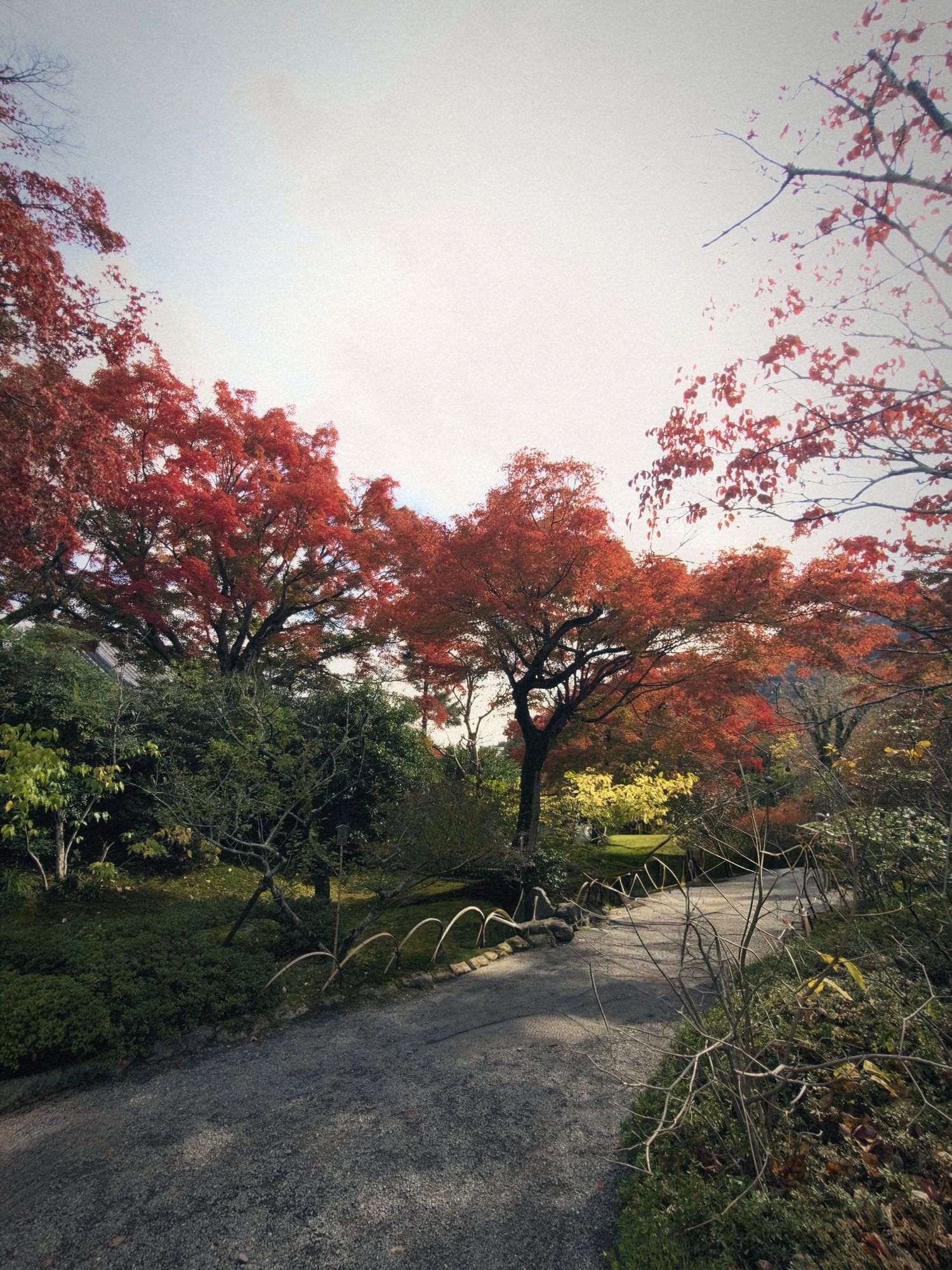
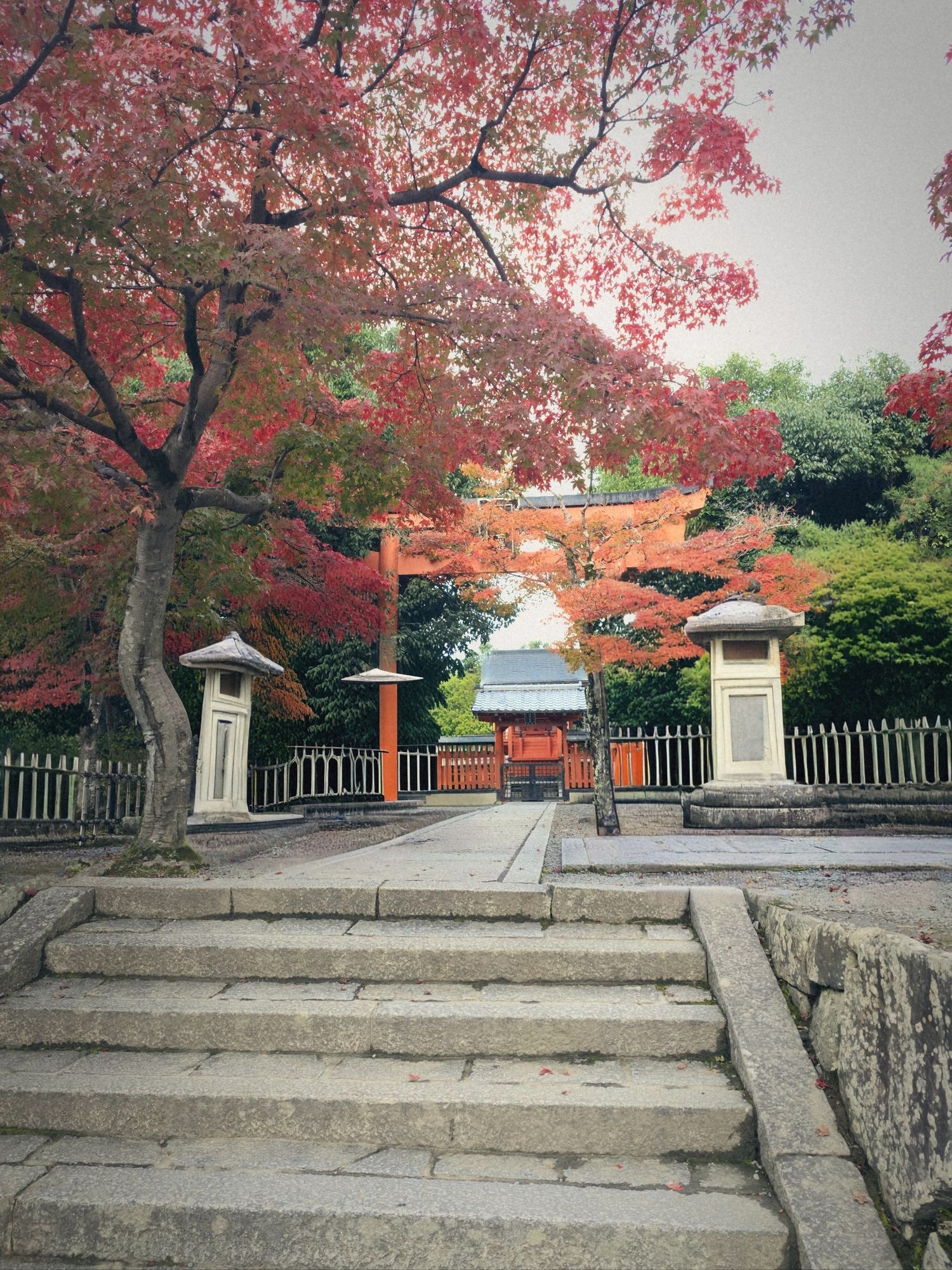
Tenryu-ji has a pond garden that uses the hills behind it as part of the view, and its paths were lined with maples at their peak.
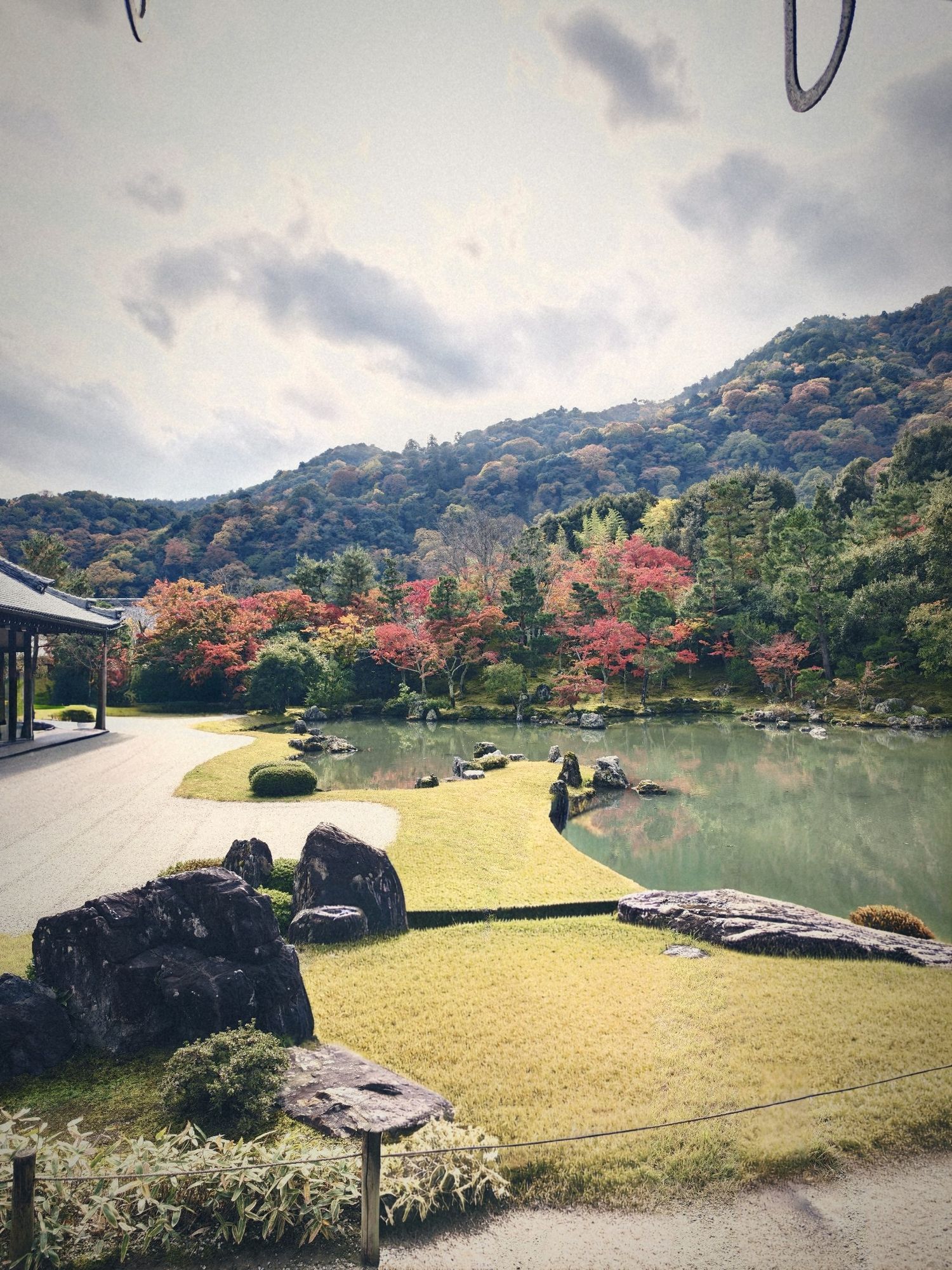
The bamboo grove starts right next to Tenryu-ji's north gate. It's famous and crowded, but the further you walk, the quieter it gets.
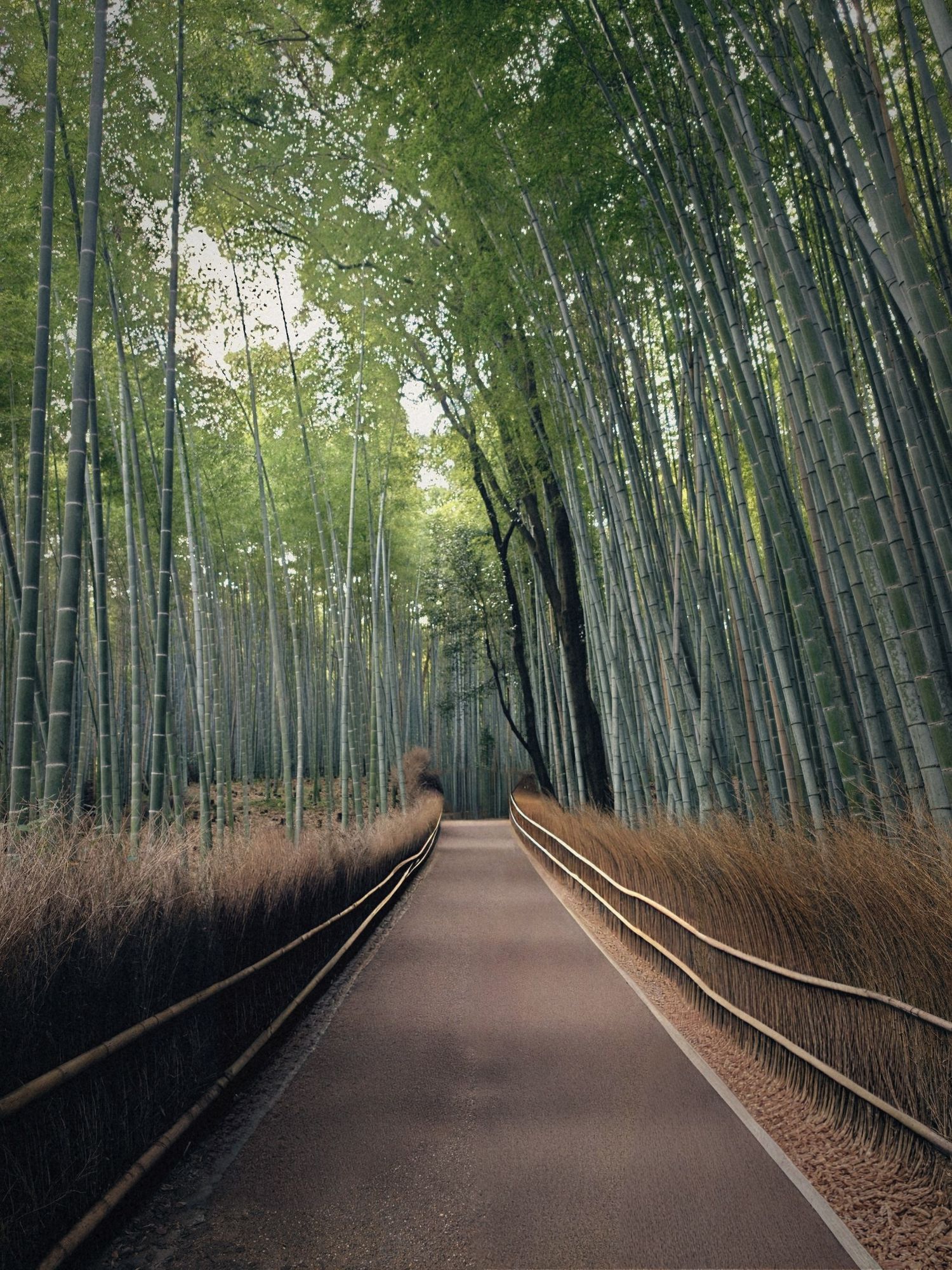
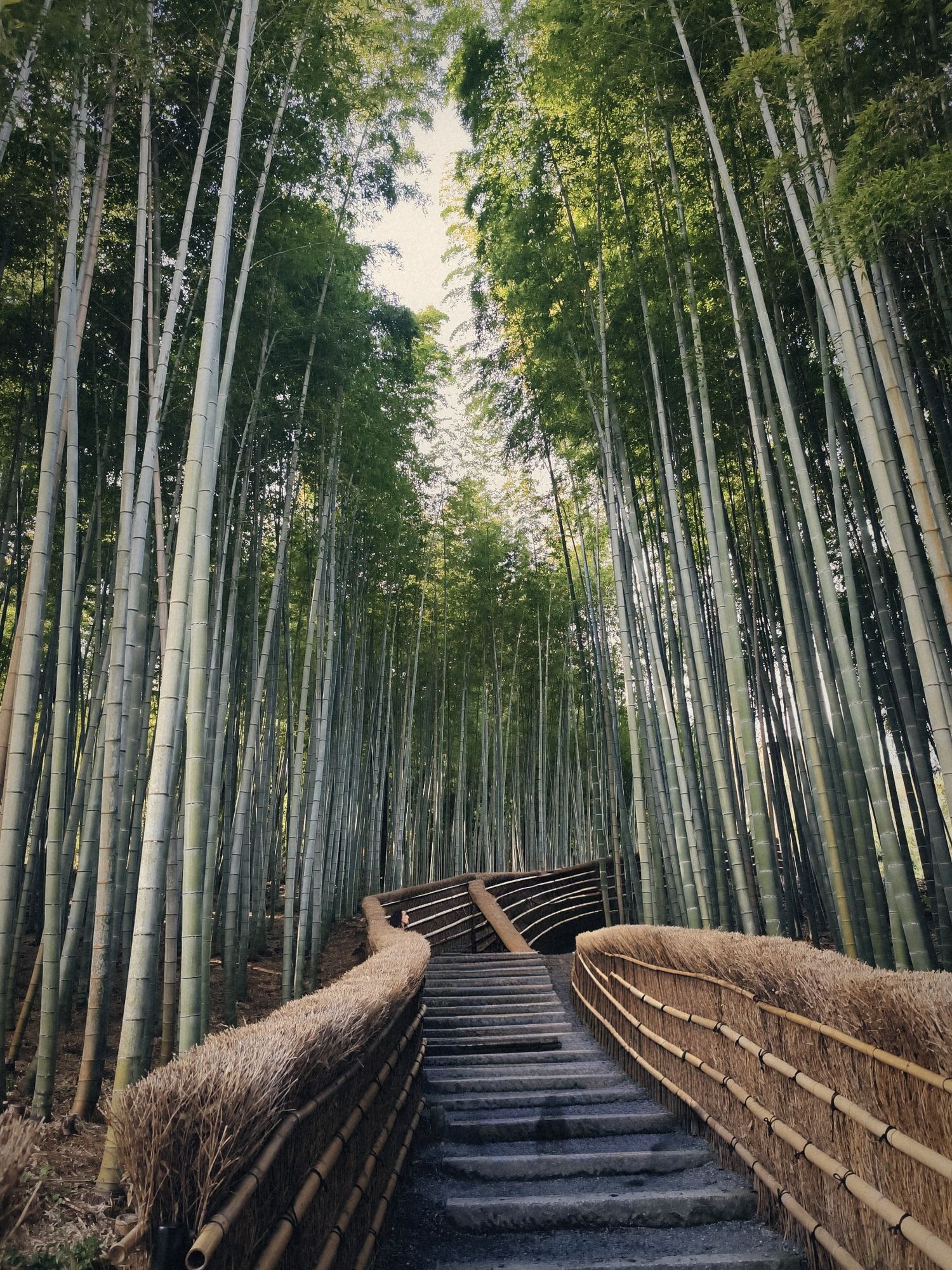
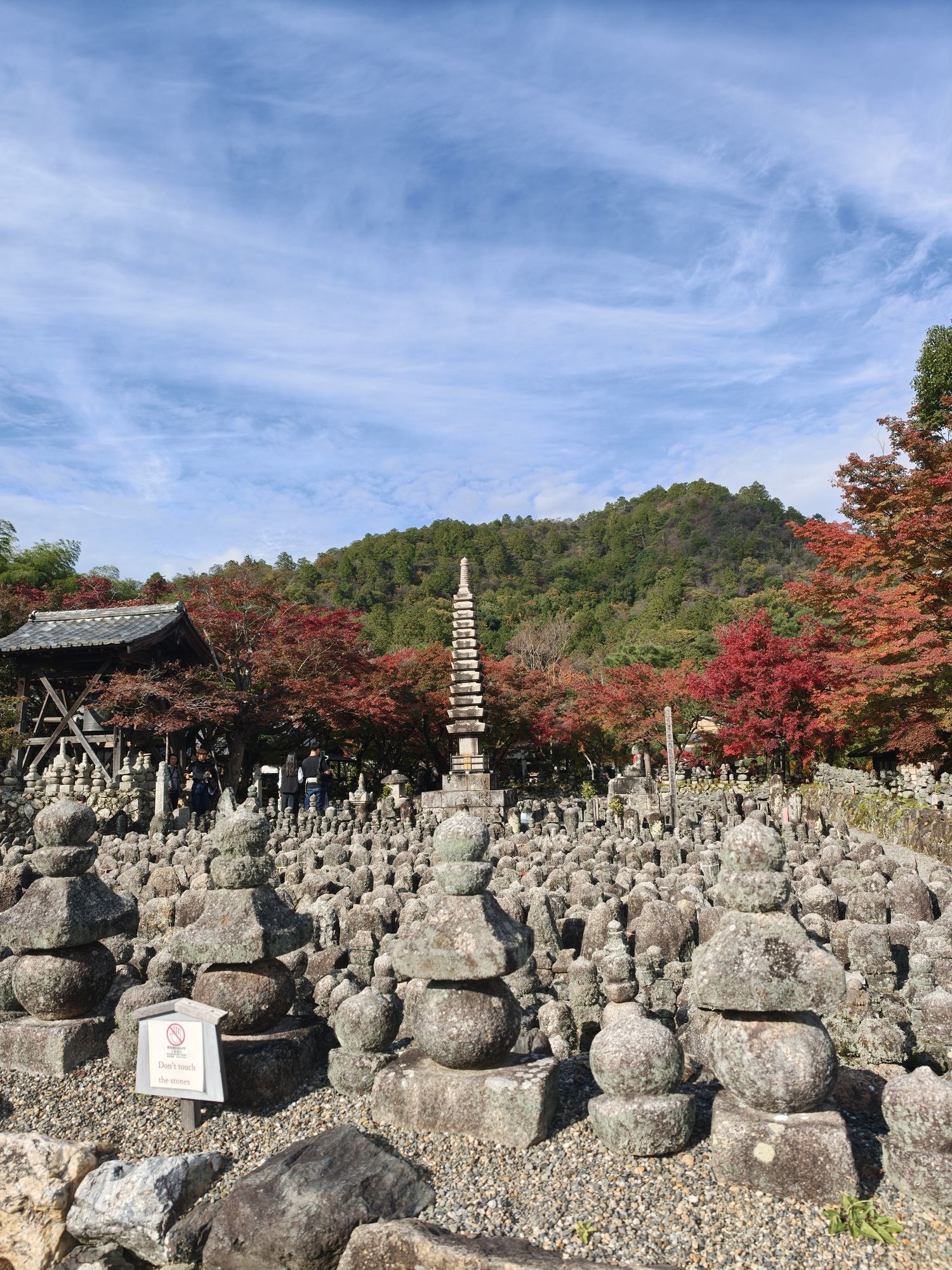
Keep going north and the crowds drop off completely. You'll pass small shrines under the maples and moss-covered temple gardens. At the end is Adashino Nenbutsu-ji, with its thousands of small stone statues.
Kinkaku-ji (the Golden Pavilion)
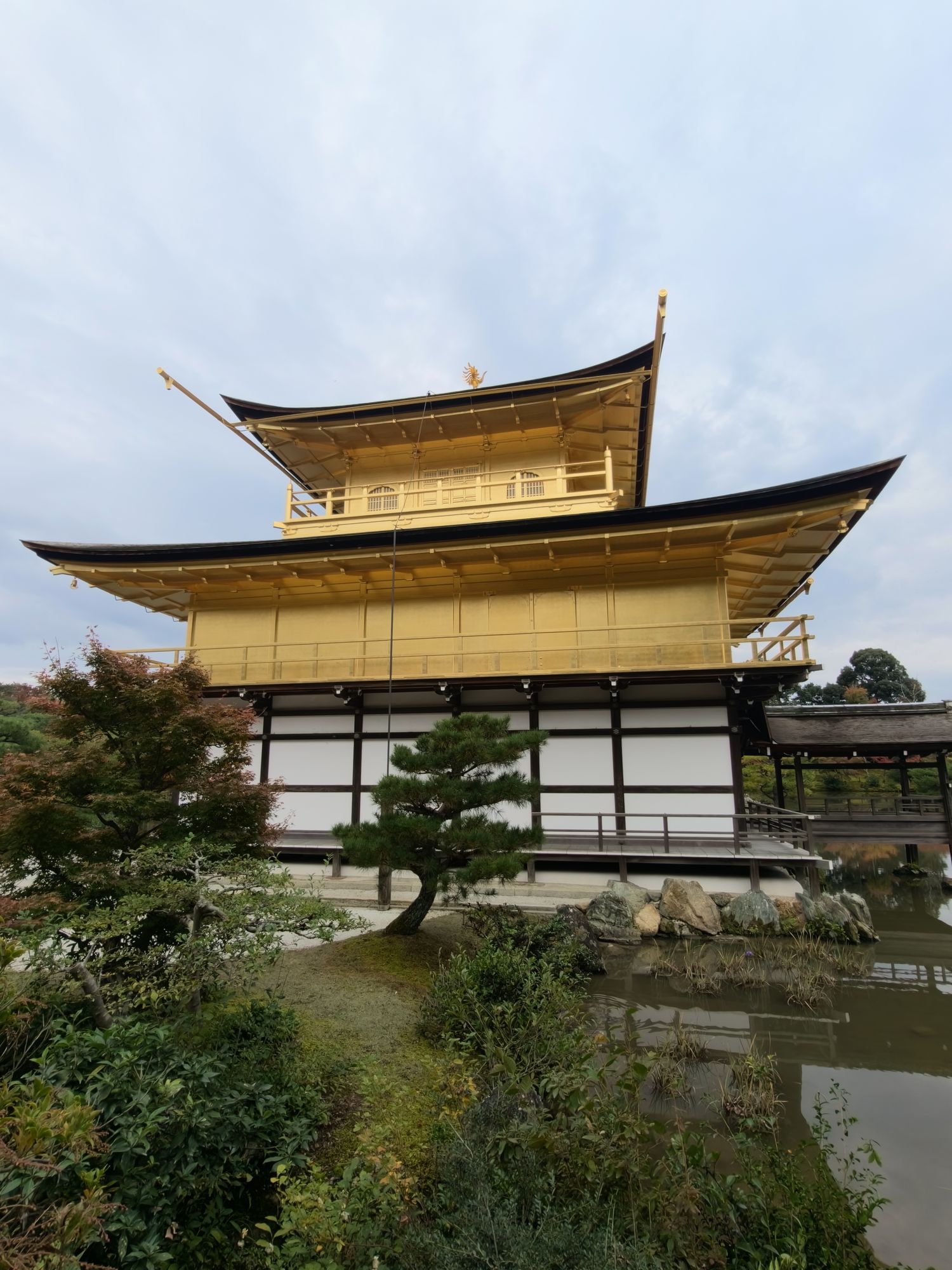
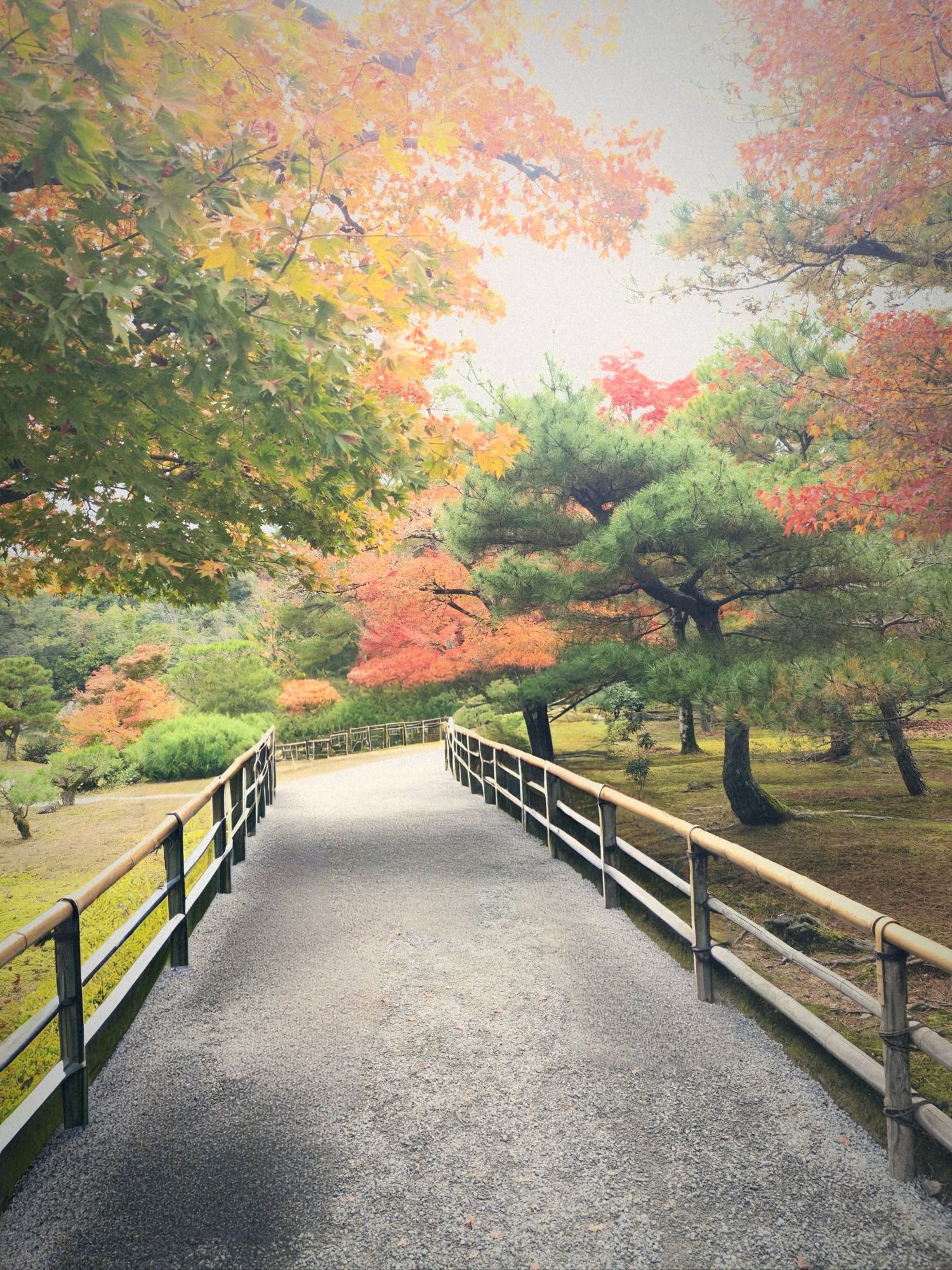
In the afternoon I crossed to the north of the city for Kinkaku-ji. It's a short loop walk, the pavilion is exactly as golden as the photos, and in autumn the maples along the path are half the reason to go.
Kodai-ji night illumination
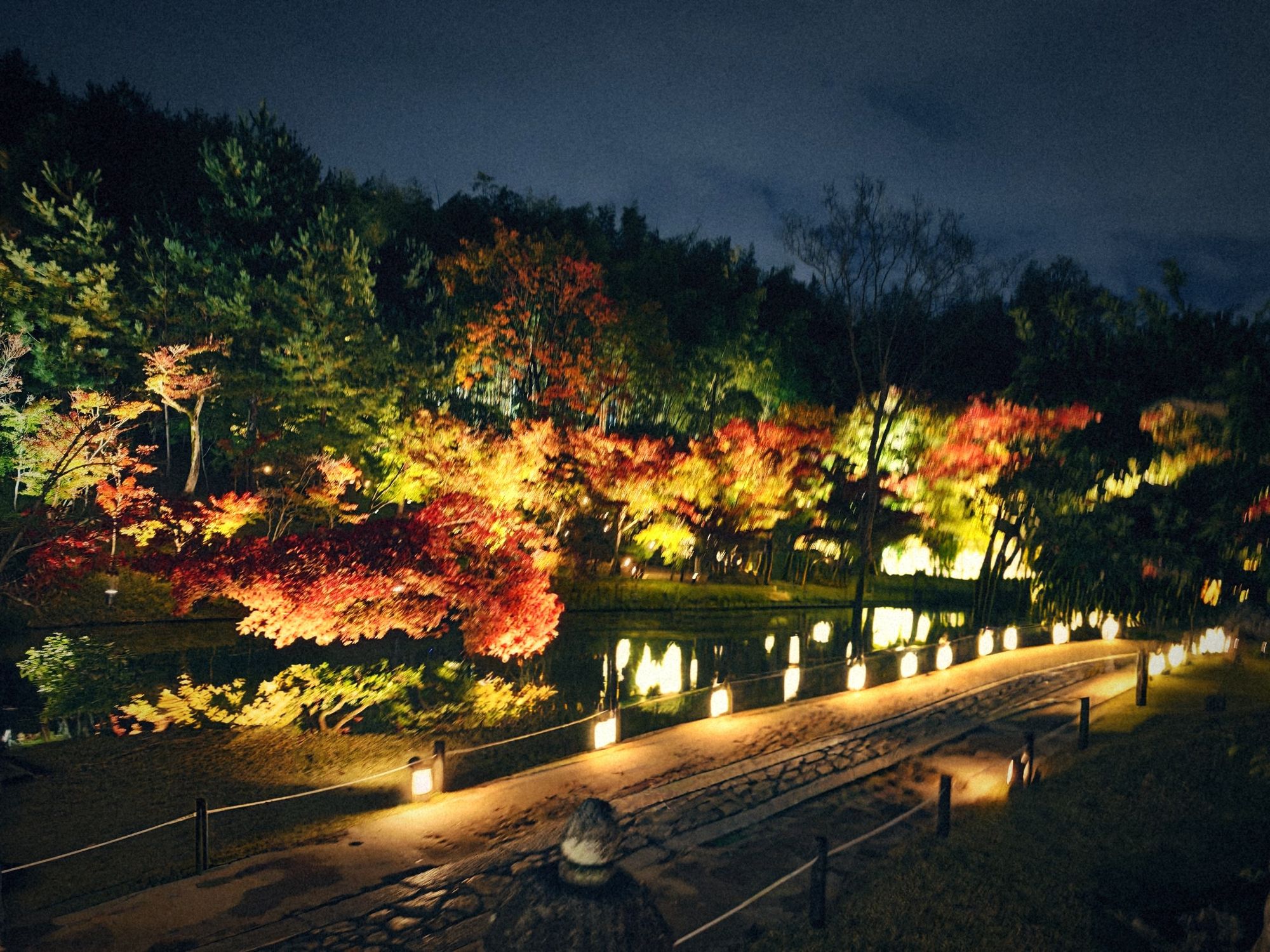
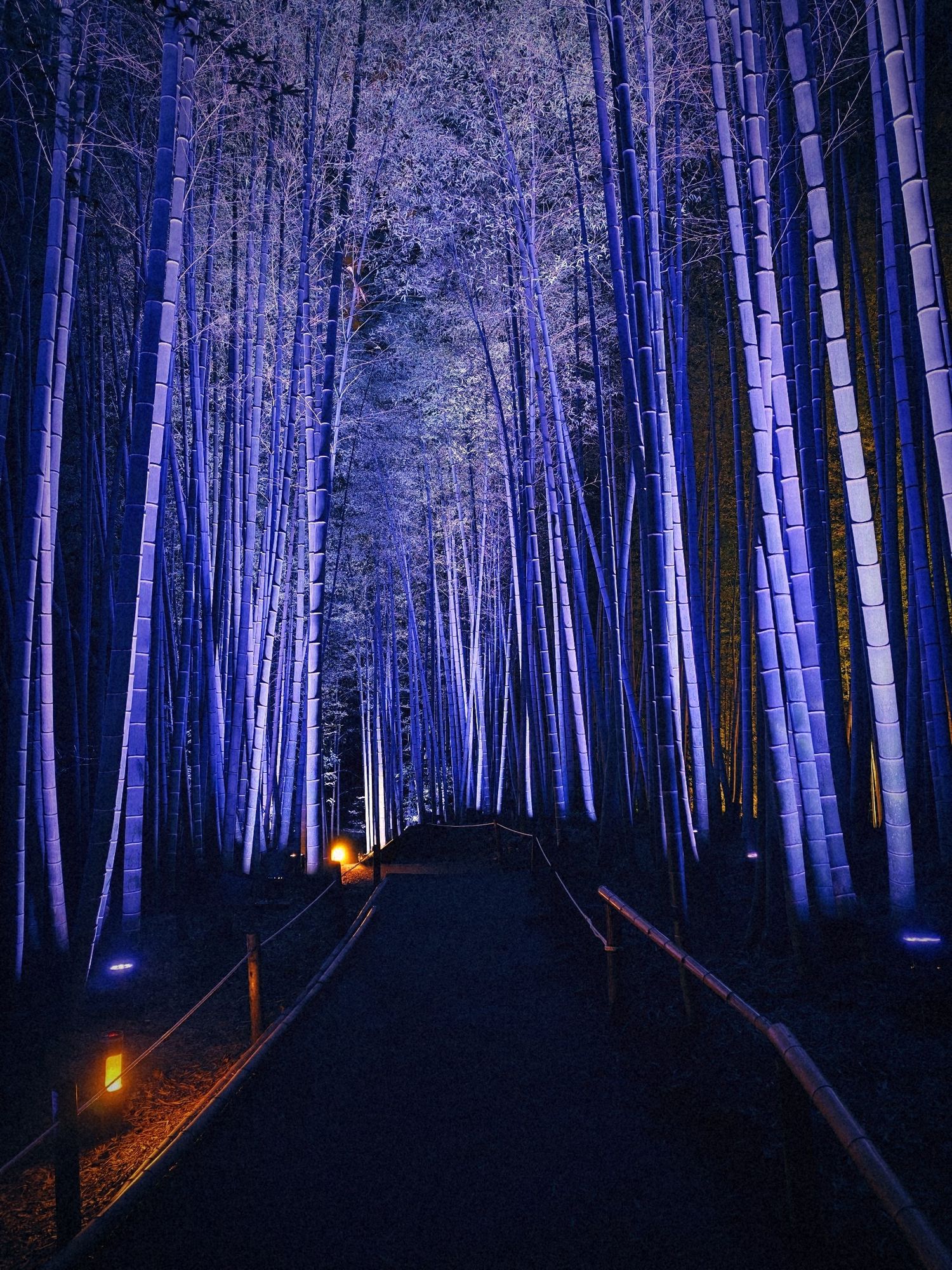
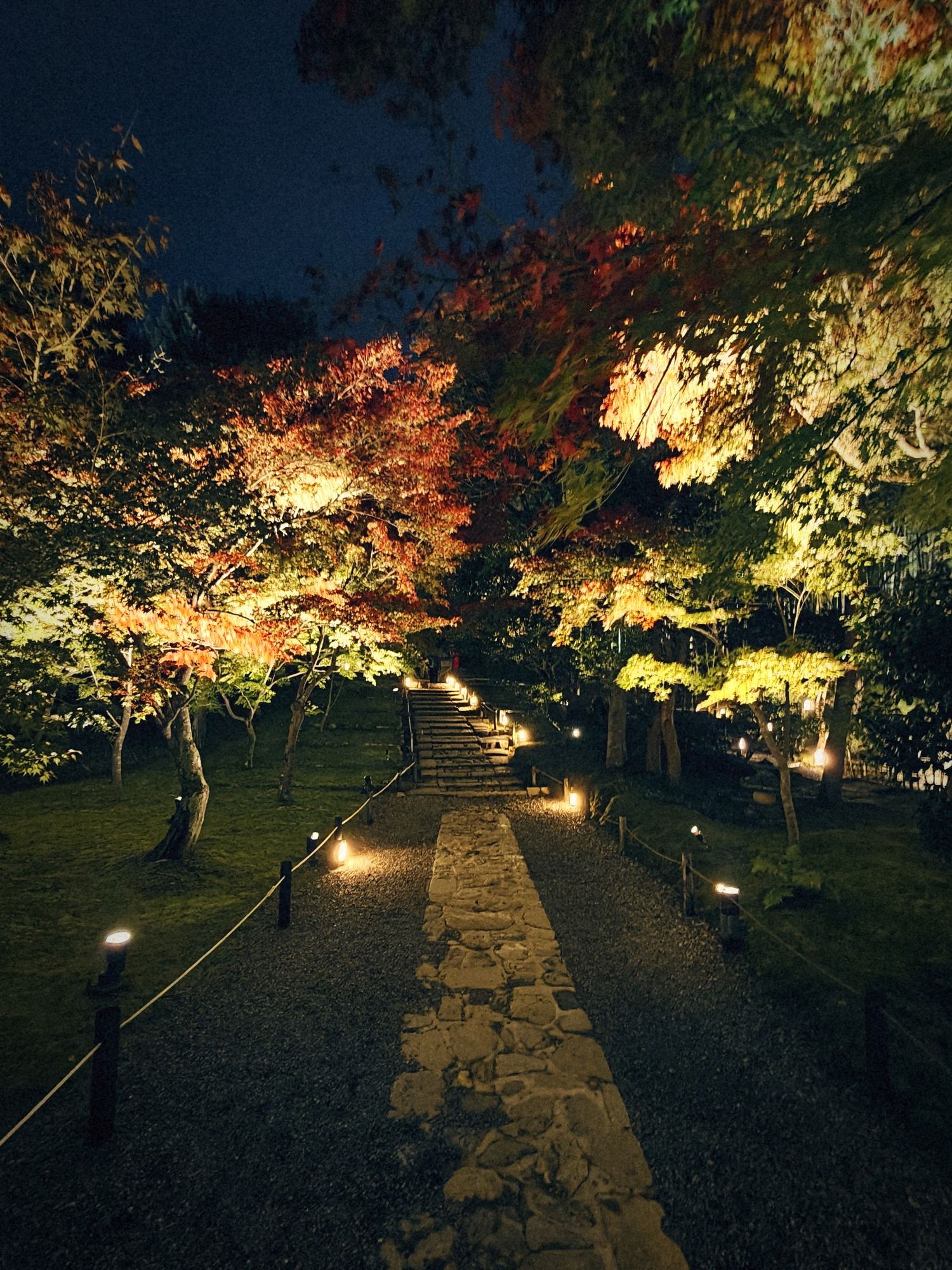
End the day back in Higashiyama for the Kodai-ji autumn illumination. After dark the temple lights up its garden: the maples reflect in the pond, the path through its small bamboo grove is lit in changing colours, and the stone steps are framed by glowing red leaves.
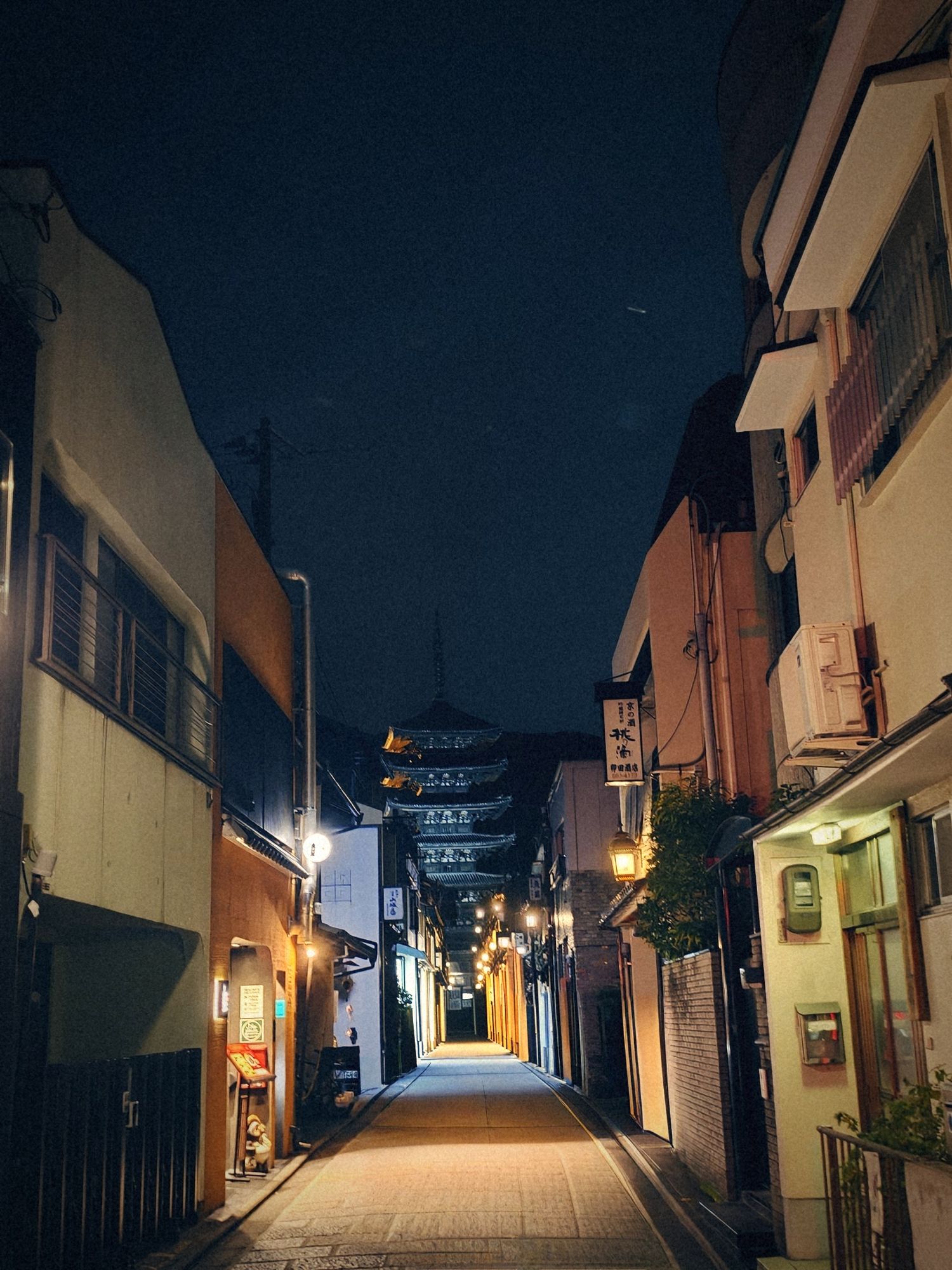
Afterwards, walk back through the empty lanes below the Yasaka Pagoda. At night, without the daytime crowds, it's a completely different street.
Day 3: Tofuku-ji and Fushimi Inari
Tofuku-ji
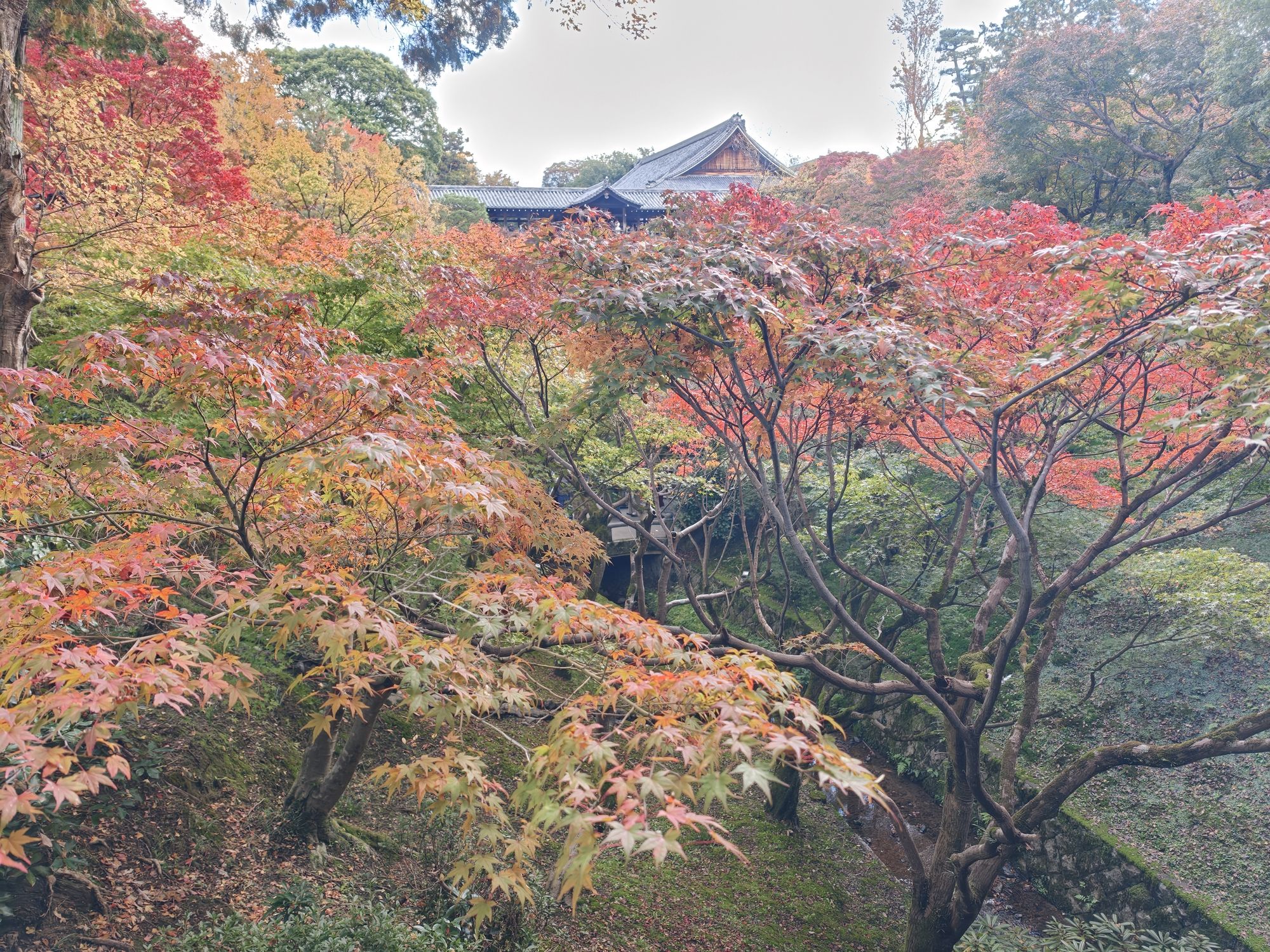
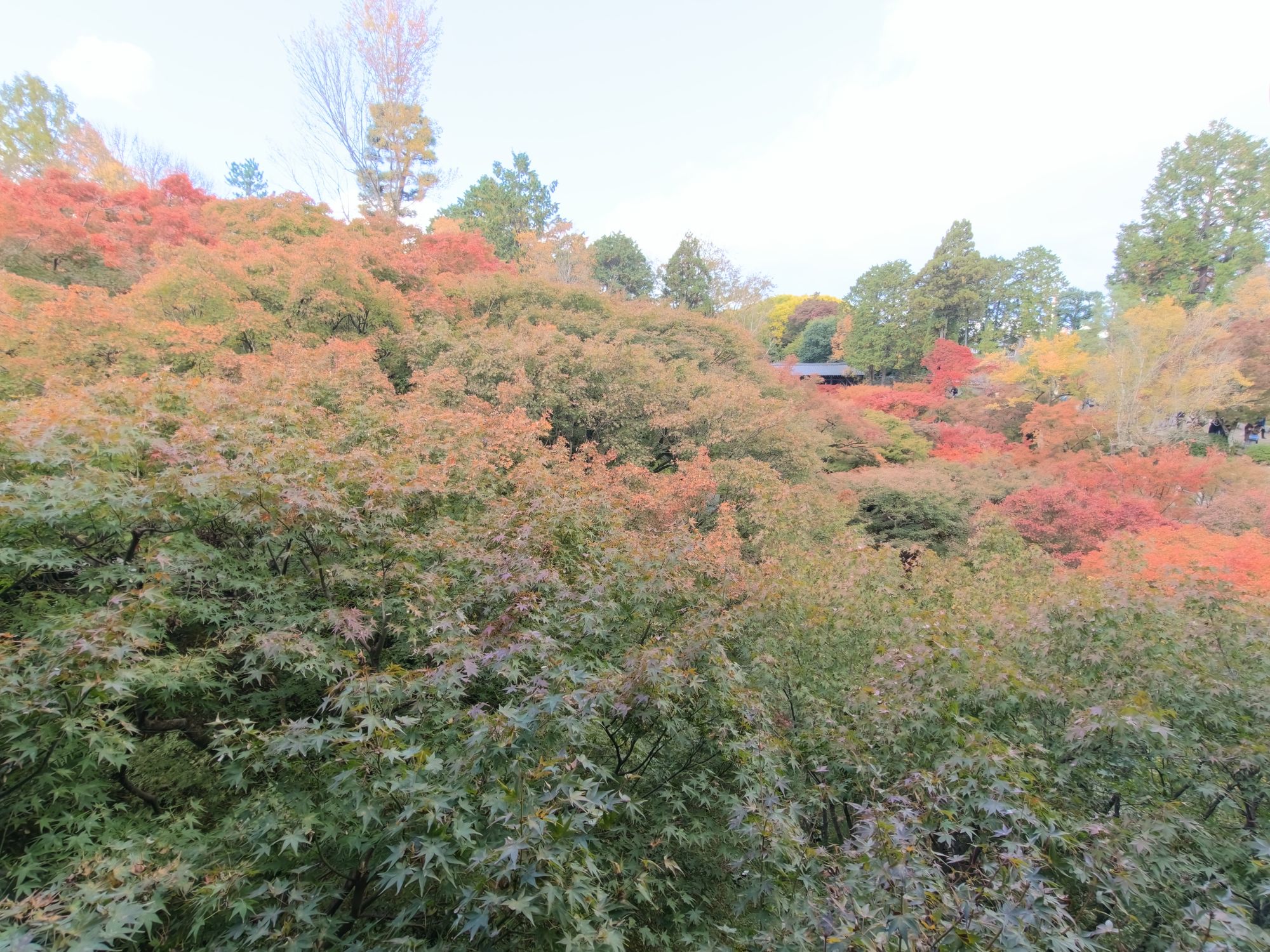
Tofuku-ji is one of Kyoto's best-known autumn spots. It has a valley full of maples crossed by covered wooden bridges, so you look down onto a sea of red and orange. Go in the morning, before the tour groups.
Fushimi Inari
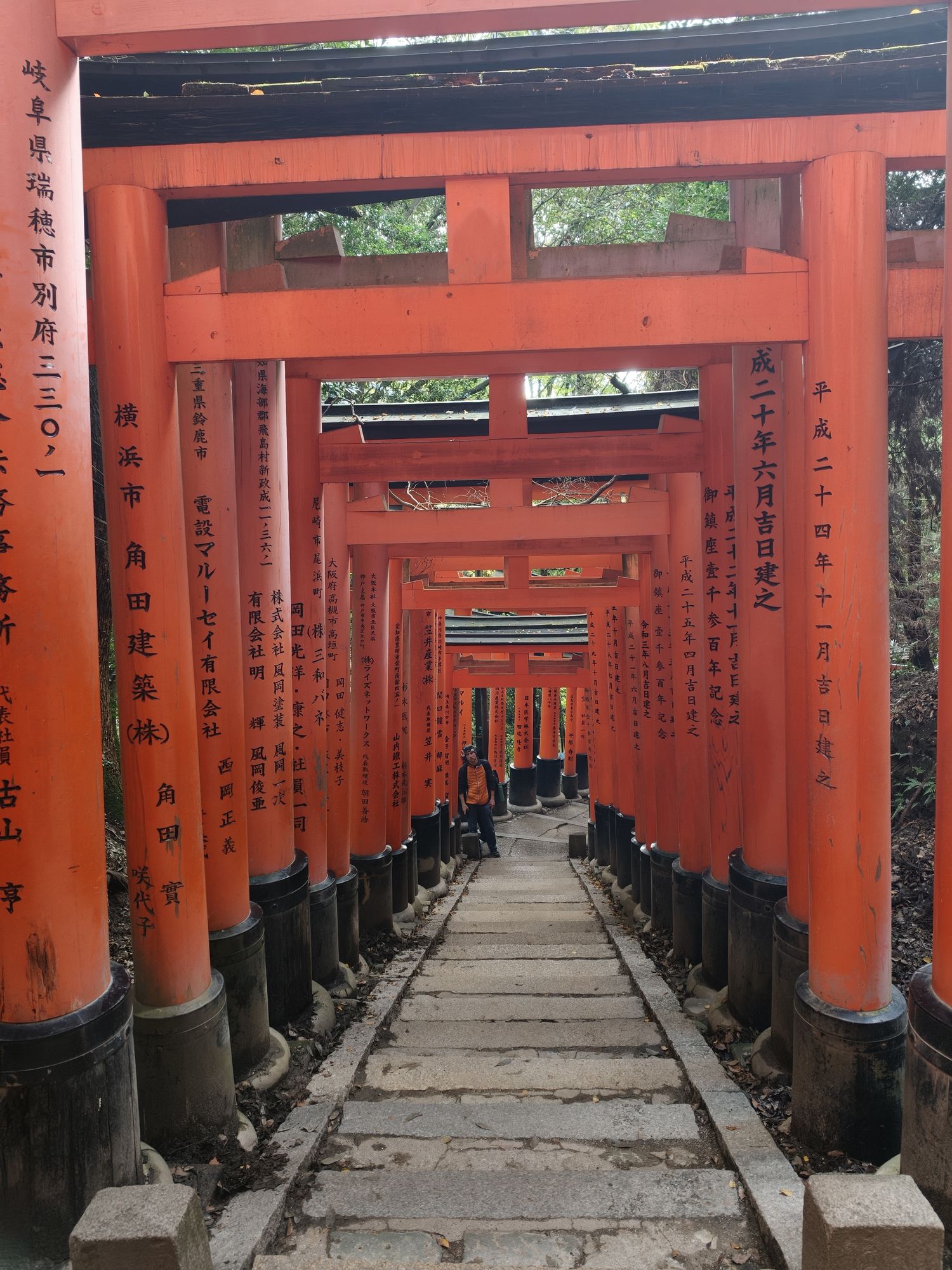
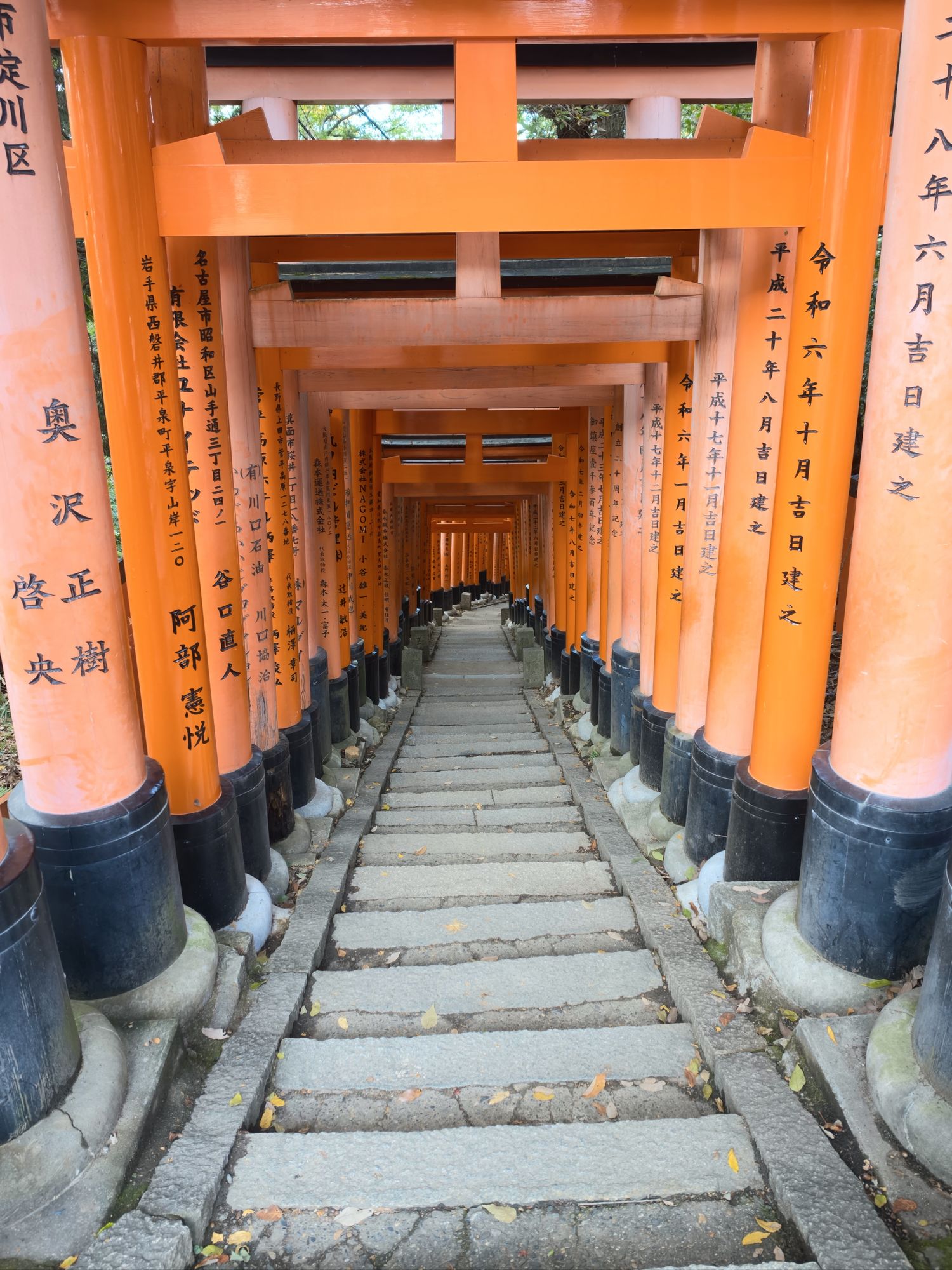
Fushimi Inari is one stop away and works well right after. The thousands of orange torii gates run up the mountain, and the lower section is packed.
Keep climbing. Every stretch you walk thins the crowd, and after twenty or thirty minutes you get the long, empty tunnels of gates you see in photos.
From Fushimi Inari I took the train to Nara in the afternoon. More on Nara (and why I'd skip it) in the main itinerary.
Tips for Kyoto in autumn
- Book Saiho-ji about two months ahead. It's reservation-only.
- Start early. Every big temple is calmer before 10am, and the morning light on the maples is better.
- Group by area. West (Saiho-ji, Arashiyama), north (Kinkaku-ji), east (Kiyomizu, Kodai-ji), south (Tofuku-ji, Fushimi Inari). Crossing the city twice in a day costs more time than you think.
- Do at least one night illumination. Kyoto's temples look completely different after dark, and Kodai-ji is easy to combine with an evening in Higashiyama.
- Eat cheaply. Around ¥1,200 per meal was normal for me, even in Kyoto.